
Composite Laminates: Surface, Structural, and Core Layers
How laminated composite materials stack surface veils, structural reinforcements, and core into one laminate, and what to specify for each layer in an RFQ.
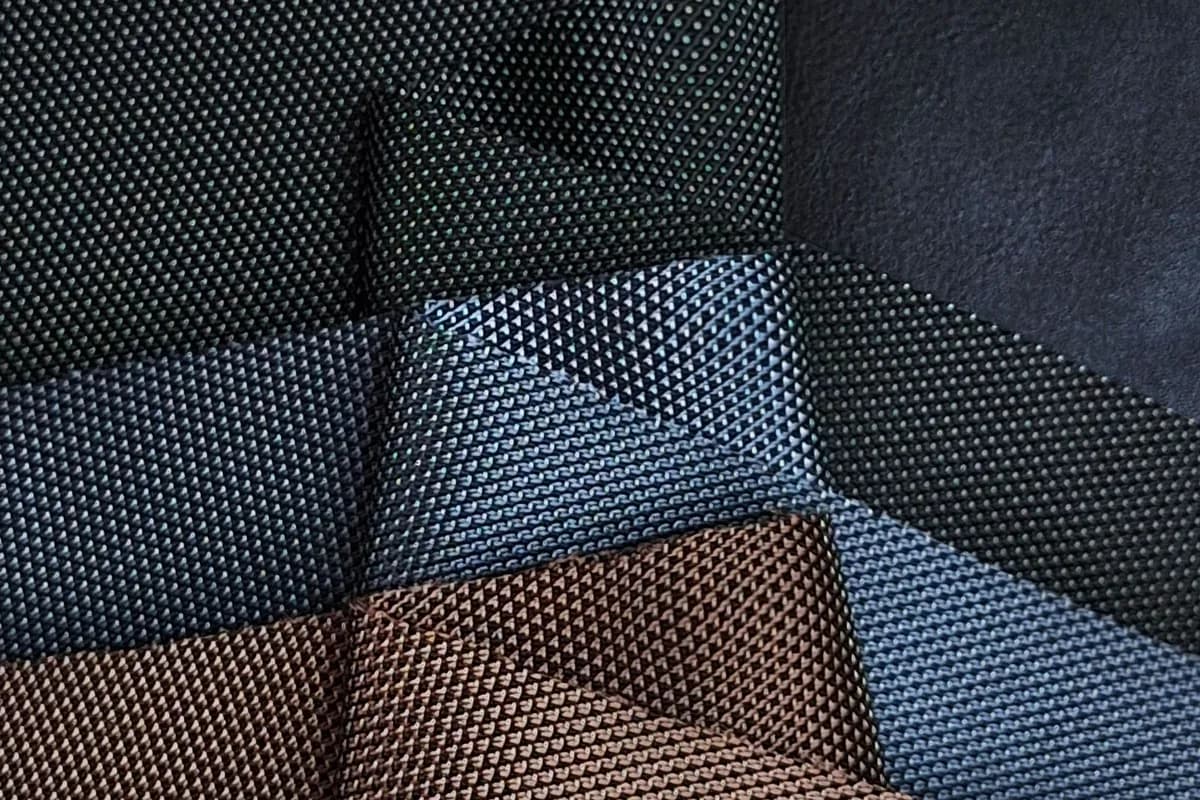
A finished composite is rarely one fabric. It is a stack of reinforcement layers, each doing a different job: a fine surface layer for finish, structural layers for load, and sometimes a core for stiffness and thickness. Understanding how these roles combine helps a buyer specify each layer correctly instead of ordering a single "fabric" and hoping the part performs.
This guide describes the common functional layers in a laminate and what to define for each one in an RFQ. It is a planning aid; the actual layup, fiber volume, and validation belong to your engineering and process.
The Three Functional Roles
Most hand lay-up and infusion laminates can be read as three functional zones, even when they use many plies.
| Role | Typical reinforcement | What it contributes |
|---|---|---|
| Surface | surface tissue / veil, light cloth | Smooth finish, resin-rich layer, print-through control |
| Structural | woven roving, biaxial/multiaxial, UD, CSM | Load carrying, thickness build, orientation |
| Core | foam, balsa, PP honeycomb, thick mat | Bending stiffness at low weight |
A given part may use one, two, or all three. The layers are chosen together, not in isolation, because each affects wet-out, thickness, and surface quality.
Surface Layer: Finish and Print-Through
The outermost reinforcement is usually a light surface tissue or veil. Its job is cosmetic and protective rather than structural:
- Creates a resin-rich surface that reproduces the mould finish.
- Reduces "print-through," where the pattern of heavy structural fabric shows through the surface.
- Can improve corrosion or weather resistance on the exposed face.
Because it is thin, the surface layer contributes little to strength. Specify it by weight and fiber, and match its sizing to the resin. See the fiberglass surface tissue guide for how veils control finish.
Structural Layers: Load and Orientation
The structural layers carry load and build most of the thickness. This is where fabric construction and fiber orientation matter most:
- Woven roving and heavy cloth build thickness efficiently in two directions.
- Biaxial and multiaxial stitched fabrics place fibers at chosen angles (0/90, ±45) with less crimp than weaves.
- Unidirectional (UD) concentrates fibers along one load path.
- Chopped strand mat adds an isotropic, interlaminar layer in polyester/vinyl ester layups.
The choice depends on where the load acts. Compare constructions in the unidirectional vs woven fiberglass guide and the chopped strand mat vs woven roving guide. Each structural ply still needs its own weight, construction, and orientation in the specification.
Core Layer: Stiffness Without Weight
A core separates the structural skins so the laminate resists bending far better for its weight — the sandwich principle. Cores include foam, balsa, honeycomb, and thick specialty mats. For a buyer, the core introduces its own fields: type, thickness, density, and how the skins bond to it. A core changes the whole build, so it should be planned with the structural layers, not added afterward.
Reading a Simple Laminate Schedule
A laminate schedule lists the layers in order, from the mould surface inward. A basic polyester hull skin might read:
1. Gelcoat (not a reinforcement)
2. Surface tissue ~30 g/m2   — finish, print-through control
3. CSM 300 g/m2              — bond coat over tissue
4. Woven roving 600 g/m2     — structural
5. CSM 300 g/m2              — inter-ply bond
6. Woven roving 600 g/m2     — structural
Each line is a purchasable item with its own weight, construction, and resin-matched sizing or binder. The schedule also implies a build sequence and a resin system, both of which affect which reinforcements are compatible. Confirm binder/resin compatibility using the reinforcement sizing and resin compatibility guide before finalizing.
What to Specify Per Layer
For each layer in the stack, define:
- Role (surface / structural / core) so intent is clear.
- Fiber and grade (E-glass, ECR, S-glass, carbon, basalt).
- Construction (tissue, CSM, woven roving, biaxial, UD, or core type).
- Nominal weight and tolerance, in both GSM and oz/yd² where useful — see the fabric weight guide.
- Orientation for directional fabrics.
- Sizing / binder matched to the resin system.
- Width and roll data for the cutting plan.
A stack specified this way can be quoted layer by layer and compared fairly between suppliers.
Next Step
Turn your layer plan into a comparable request with the composite reinforcement RFQ checklist, and confirm each layer's weight and compatibility with the fabric weight guide and the sizing and resin compatibility guide. ZeYuSen Fiber supplies surface tissue, woven roving, and multiaxial reinforcements that fill these roles; a specific stack should be validated in your process. Send your laminate schedule for a layer-by-layer quotation.
Source and Evidence Boundary
- Layer roles and the sandwich principle are general composite engineering concepts presented for buyer orientation, not part-specific performance claims.
- Binder/resin compatibility follows the sizing and resin compatibility guide and its cited source.
- Product availability statements are limited to the current ZeYuSen Fiber catalog.
- This guide does not claim specific strength, stiffness, or weight savings for any laminate; those depend on design, materials, and validated process.
Related Guides
Frequently Asked Questions
Because the layers do different jobs. A fine surface veil controls finish and print-through, structural fabrics carry load and set fiber orientation, and a core adds bending stiffness at low weight. A single heavy fabric cannot deliver a good surface, tailored orientation, and sandwich stiffness at once. Building the stack from purpose-chosen layers gives control over finish, strength direction, thickness, and weight that one fabric cannot match.
A laminate schedule is an ordered list of the reinforcement layers in a part, written from the mould surface inward, with each layer's fiber, construction, weight, and orientation. It defines both what to buy and the sequence to lay it up. Because the schedule also implies a resin system and build order, it is the document where per-layer weight, orientation, and sizing/binder compatibility all come together.
The core sits between the structural skins and provides bending stiffness at low weight, following the sandwich principle. It is specified separately by type, thickness, and density, and it changes how the skins are laid up and bonded. Plan the core together with the structural layers rather than adding it afterward, because it affects the whole build and the resin/adhesive choices.

Author
ZeYuSen Fiber Technical Team
Focused on fiberglass mats and veils, carbon fiber mats, and desiccant rotor forming paper for industrial material selection and process evaluation.
Need help choosing a material?
Send your application, process, and target specifications. ZeYuSen Fiber can help evaluate carbon fiber mats, fiberglass mats and veils, or desiccant rotor forming paper.
Contact ZeYuSen Fiber