
Chopped Strand Mat vs Woven Roving: Choose by Process, Load, and Finish
Choose fiberglass chopped strand mat, woven roving, both, or neither by load path, mold geometry, resin compatibility, surface role, and process evidence.
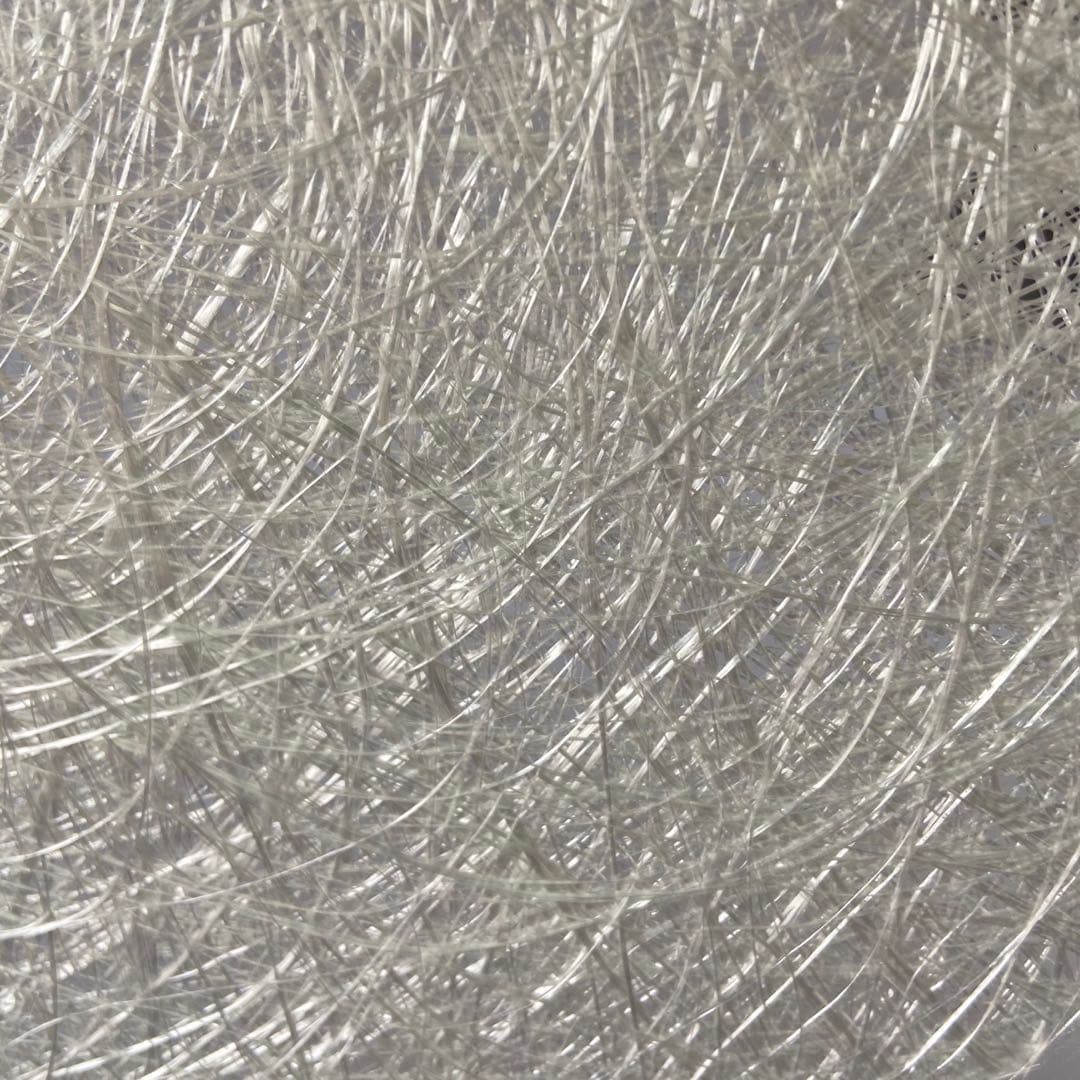
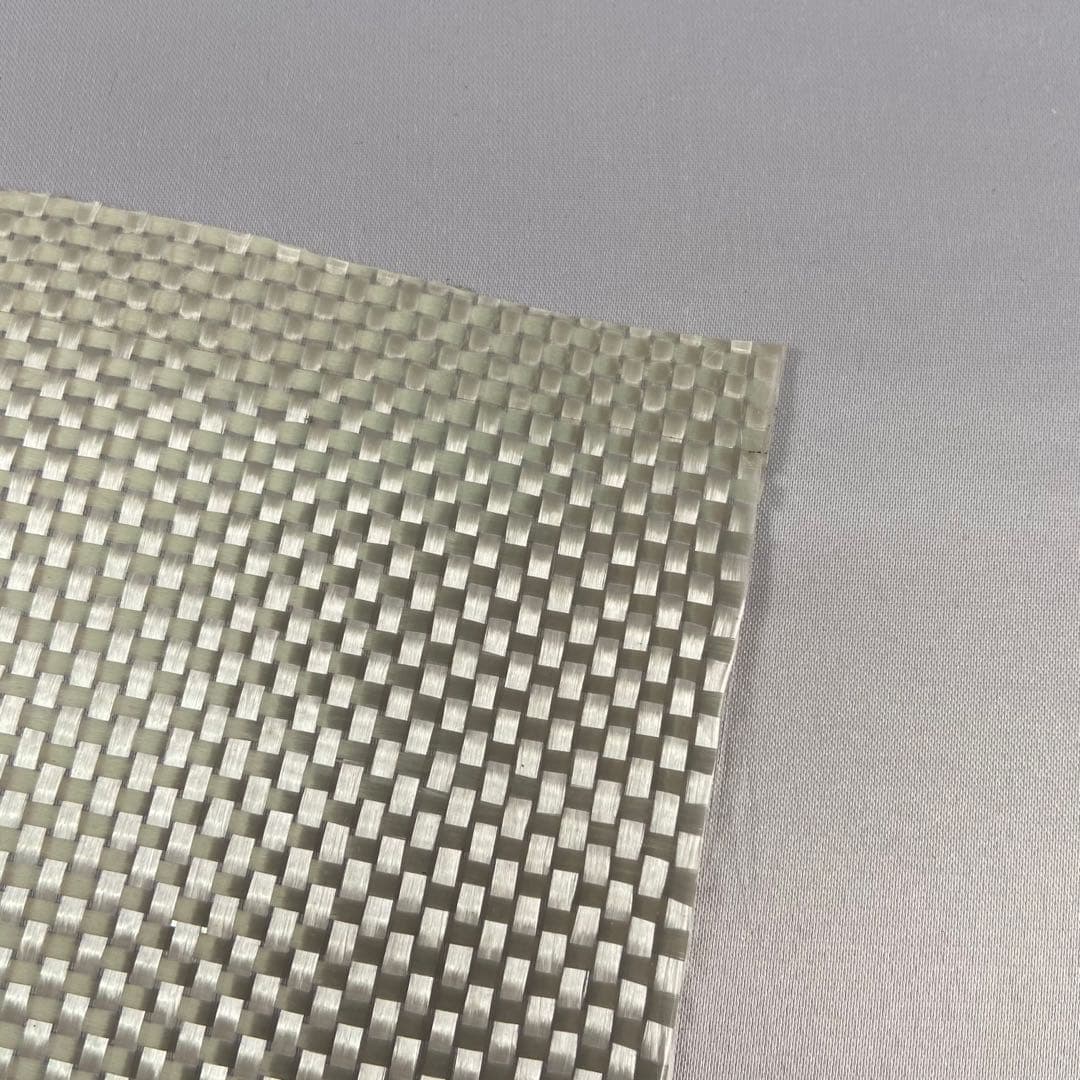
Chopped strand mat (CSM) and woven roving solve different laminate problems. CSM distributes chopped strands in many in-plane directions and uses a binder to keep the sheet intact. Woven roving interlaces continuous roving bundles, normally along two fabric directions. Neither construction is automatically “better,” and GSM alone cannot tell you which one belongs in a part.
The useful decision is often not CSM or woven roving. It is CSM, woven roving, both, or neither, after checking the load path, mold geometry, resin and process, surface requirement, and evidence for the exact product. This guide helps production, engineering, and purchasing teams make that first selection and prepare a comparable RFQ. The final laminate schedule still requires engineering and process validation.
Decision Table: CSM, Woven Roving, Both, or Neither
| Decision input | CSM is a candidate when… | Woven roving is a candidate when… | Consider another construction when… |
|---|---|---|---|
| Laminate role | The layer needs distributed coverage, a conformable transition, or general thickness build | The layer needs continuous fibers along the warp and weft directions | The layer primarily controls finish, carries a one-axis load, or carries off-axis shear |
| Load path | Loads are not dominated by one defined fiber direction | Meaningful loads align with the two fabric axes | Loads call for unidirectional or ±45° reinforcement |
| Geometry | The material must follow compound shapes and transitions, subject to a drape trial | The area is broad, flat, or gently curved and the weave can remain seated | Tight radii, deep recesses, or severe transitions still cause bridging or distortion |
| Resin and process | The exact binder and sizing are qualified for the resin and molding process | The sizing, fabric stability, wet-through, and compaction suit the process | The process needs a stitched flow architecture, spray roving, prepreg, or another engineered format |
| Visible surface | It can serve as a backing or transition layer when qualified | It is kept away from a finish where weave print would be unacceptable | The primary task is cosmetic finish or corrosion-barrier control; evaluate a surface tissue or veil |
| Evidence before release | TDS, binder/sizing statement, roll data, and a representative trial are available | TDS, construction, orientation, sizing, roll data, and a representative trial are available | The supplier cannot identify the product chemistry or the trial does not meet the acceptance criteria |
This table is a screening tool, not a laminate design. A material can pass one row and fail another.
Browse the current chopped strand mat and woven roving families after the required construction is clear.
Why “Which One Is Stronger?” Is the Wrong First Question
Woven roving keeps continuous bundles organized along the fabric axes; CSM distributes shorter strands in many directions. That architectural difference affects where glass is placed, but it does not establish the strength of a finished part by itself.
A meaningful comparison must hold the laminate basis constant and record at least:
- glass type and exact reinforcement product;
- areal weight, number of plies, orientation, and finished thickness;
- resin, sizing or binder compatibility, cure, and molding process;
- fiber content, voids, overlaps, joints, and defects;
- specimen direction, conditioning, and test method.
Without those controls, statements such as “woven roving is stronger” or “CSM has equal strength in every direction” are only broad descriptions of fiber architecture. They are not part-level performance data. If the drawing or specification contains a mechanical requirement, compare qualified laminate data or test representative coupons—not two dry rolls on GSM alone.
Gate 1: Define the Layer’s Job and Load Direction
Start with the layer, not the material name.
- Distributed coverage or a conformable transition: CSM may be suitable when its binder, sizing, and handling behavior match the process.
- Two-axis reinforcement: woven roving may be suitable when its warp and weft align with the intended load paths.
- One dominant load direction: evaluate unidirectional reinforcement rather than forcing a bidirectional weave into the specification.
- Off-axis or shear-dominated loads: evaluate a biaxial or multiaxial fabric with the required fiber angles.
- Cosmetic or corrosion-barrier surface: evaluate surface tissue or veil. CSM is not the same product and should not be used as a naming substitute.
This first gate prevents a common procurement error: choosing between two familiar catalog categories when neither places fiber where the design needs it.
Gate 2: Match the Exact Product to the Resin and Process
“CSM works with polyester but not epoxy” is not a safe universal rule. Binder chemistry is product-specific. For example, 3B’s EM 1011 data sheet identifies an emulsion-bound CSM as compatible with polyester, vinyl ester, and epoxy systems. Other mats are designed around styrene-soluble binders and may not behave correctly with epoxy. The same discipline applies to woven roving: its sizing must be qualified for the resin, and its wet-through and stability must suit the molding process.
Before approval, obtain written answers for the exact SKU:
- What sizing and, for mat, what binder is used?
- Which resin families and named resin products are qualified?
- Is the product intended for hand lay-up, compression molding, infusion, RTM, continuous lamination, or another process?
- Does the data sheet describe wet-through, air release, wash resistance, compaction, or surface behavior for that process?
- Has a representative wet-out and cure trial passed the project’s acceptance criteria?
Current manufacturer ranges illustrate why this step matters. Owens Corning lists multiple CSM grades for different open-mold, closed-mold, lamination, wet-through, and surface objectives. Jushi likewise lists different mat and woven-roving product codes with distinct processing features. Category names are useful search labels; the product code and evidence control the purchase.
Use the reinforcement sizing and resin compatibility guide to turn this gate into RFQ fields.
Gate 3: Trial Drape, Bridging, and Handling on the Real Geometry
Random chopped strands often let a mat follow a compound shape more readily than a heavy plain-woven roving, but that is not a release criterion. Binder level, areal weight, strand distribution, weave, roll condition, cuts, overlaps, and operator method all change handling.
Run a small trial on the most difficult feature of the part, not only on a flat coupon. Record:
- whether the dry reinforcement stays seated at corners and recesses;
- where darts, cuts, overlaps, or transition plies are required;
- whether bundles distort, mat separates, or edges shed during placement;
- whether the resin fully wets the layer within the process window;
- whether trapped air, bridging, wrinkles, dry areas, or print-through remain after cure.
If either material fails at the feature, change the cut plan, weight, construction, or laminate architecture. Do not accept a generic “high conformability” claim as proof for the mold.
Gate 4: Place Each Material in the Laminate Deliberately
CSM and woven roving are often combined in some contact-molded laminates: mat can provide a transition or distributed layer, while woven roving provides continuous fibers along two axes. That is a possible schedule, not a rule that CSM must sit between every woven ply.
Decide each ply from its function:
- Define the visible or process surface and whether it needs gelcoat, veil, or another surface layer.
- Place structural fibers in the directions required by the design.
- Add transition or distributed reinforcement only where it solves a documented interface, handling, or thickness requirement.
- Check that every adjacent layer is compatible with the resin, cure, and molding sequence.
- Validate the complete stack for thickness, fiber content, defects, surface, and required mechanical results.
For the larger stack, use the composite laminate layers guide. A stitched combination mat may reduce separate placement steps in some processes, while a multiaxial or UD construction may place load-carrying fibers more efficiently. Those alternatives should be evaluated, not treated as afterthoughts.
Four Example Decisions—Not Preset Laminates
| Scenario | Screening decision | What still must be validated |
|---|---|---|
| Broad shell, contact molding, defined 0°/90° load paths | Woven roving as a structural candidate; compatible CSM only if a transition or distributed layer is required | Ply schedule, resin/sizing/binder, wet-out, air removal, thickness, and structural test basis |
| Compound molded cover with a controlled visible face | Surface veil or tissue for the face; compatible CSM as a backing candidate | Finish trial, print-through, corners, cure, and any separate structural reinforcement |
| Epoxy repair around a complex feature | Do not buy generic CSM; select an epoxy-qualified mat or another compatible construction based on the load | Product-specific binder/sizing evidence, repair design, adhesion preparation, and representative cure trial |
| Infused panel with dominant ±45° shear loads | Neither CSM nor 0°/90° woven roving is the automatic answer; evaluate a ±45° multiaxial architecture | Permeability, compaction, resin flow, fiber orientation, and tested laminate performance |
These examples show the decision logic. They are not designs for a boat, tank, panel, or repair.
RFQ and Trial Record
Use one line per reinforcement in the proposed stack:
| Field | What to state |
|---|---|
| Layer role | Surface, transition, distributed reinforcement, structural, or other defined function |
| Construction | CSM, woven roving, UD, multiaxial, tissue, or combination mat |
| Fiber and weight | Glass type, nominal g/m², and tolerance; do not stop at GSM |
| Direction | Warp/weft or required ply angle where applicable |
| Chemistry | Sizing, binder type, and written resin compatibility |
| Resin and process | Resin family/product, hand lay-up or closed-mold process, and relevant process conditions |
| Geometry and finish | Difficult radii, recesses, overlap rules, visible face, and print-through limit |
| Supply format | Width, roll length/weight, core, packaging, splice, and traceability requirements |
| Evidence | Current TDS, certificate fields, change-control requirement, and any test report |
| Trial acceptance | Wet-out, handling, cured defects, thickness, surface, and project-specific test criteria |
Mark unknown fields as supplier proposal requested rather than guessing. Then transfer the approved line items to the composite reinforcement RFQ checklist.
Next Step
Choose the preliminary route—CSM, woven roving, both, or another architecture—then send ZeYuSen Fiber your resin, process, laminate role, GSM, width, and trial criteria. The team can identify a candidate product and quotation basis; production release should follow your technical review and representative trial.
Sources and Evidence Boundary
- Owens Corning M113 chopped strand mat, checked 2026-08-18: an example of a product-specific CSM with defined process, weights, and surface objective.
- Jushi fiberglass mats and woven rovings, checked 2026-08-18: examples of multiple mat and woven-roving codes with different processing features.
- 3B EM 1011 technical data sheet, checked 2026-08-18: one specific emulsion-bound CSM stated for polyester, vinyl ester, and epoxy; it does not prove compatibility for other CSM products.
- ZeYuSen Fiber product availability statements are limited to the current site catalog. The article provides purchasing and trial logic, not a validated laminate design or product-performance guarantee.
Related Guides
Frequently Asked Questions
No universal comparison is valid without a common laminate and test basis. Woven roving places continuous bundles along its fabric axes, while CSM distributes shorter strands in many directions. Finished strength also depends on resin, fiber content, thickness, orientation, voids, cure, and test direction. Use qualified laminate data for the actual design.
Some products can and some cannot. The deciding factor is the exact binder and sizing, not the category name. Obtain a current data sheet or supplier statement that names epoxy compatibility, then validate wet-out and cure with the intended epoxy before production.
Not by default. A CSM transition layer can be useful in some contact-molded schedules, but every ply should have a defined role. The correct sequence depends on resin, process, interface, thickness, surface, and structural requirements. Validate the complete schedule instead of copying a universal alternating pattern.
No. Equal areal weight does not make the constructions equivalent. Fiber length and orientation, weave, binder or sizing, resin uptake, fiber content, finished thickness, and defects can all differ. GSM is one RFQ field, not the selection result.

Author
ZeYuSen Fiber Technical Team
Focused on fiberglass mats and veils, carbon fiber mats, and desiccant rotor forming paper for industrial material selection and process evaluation.
Need help choosing a material?
Send your application, process, and target specifications. ZeYuSen Fiber can help evaluate carbon fiber mats, fiberglass mats and veils, or desiccant rotor forming paper.
Contact ZeYuSen FiberOn this page
- Decision Table: CSM, Woven Roving, Both, or Neither
- Why “Which One Is Stronger?” Is the Wrong First Question
- Gate 1: Define the Layer’s Job and Load Direction
- Gate 2: Match the Exact Product to the Resin and Process
- Gate 3: Trial Drape, Bridging, and Handling on the Real Geometry
- Gate 4: Place Each Material in the Laminate Deliberately
- Four Example Decisions—Not Preset Laminates
- RFQ and Trial Record
- Next Step
- Sources and Evidence Boundary