
Carbon Fiber vs Fiberglass: A Practical Selection Guide
Compare carbon fiber and fiberglass by part requirements, manufacturing process, validation needs, and purchasing constraints before selecting a composite reinforcement.
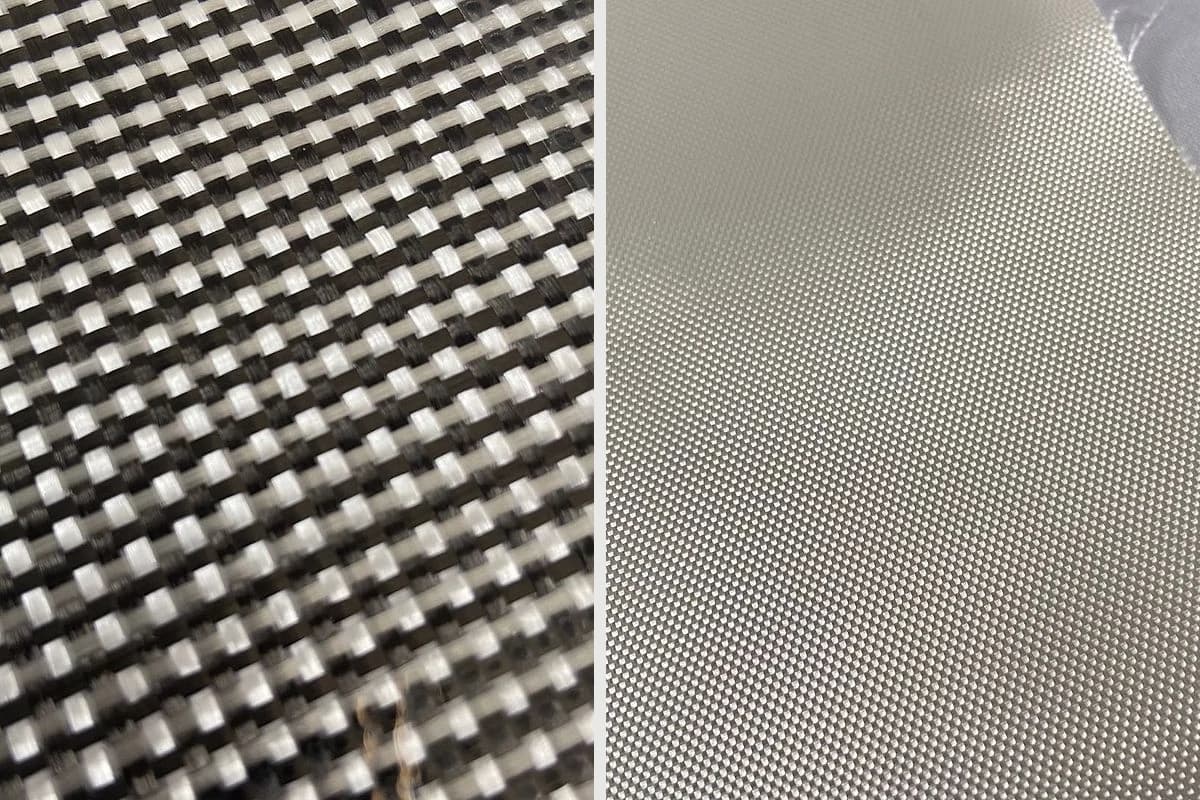
Carbon fiber and fiberglass are both reinforcement families, not interchangeable finished materials. The right choice depends on the part, laminate design, resin, manufacturing process, acceptance criteria, and commercial constraints. A useful comparison therefore starts with the job the reinforcement must do, not with a claim that one material is universally better.
This guide gives engineering, purchasing, and production teams a structured way to narrow the choice before requesting samples or quotations. Final selection should still be confirmed against supplier data, a representative laminate, and the application's own test requirements.
Quick Decision View
| Project condition | Material direction to investigate | What still needs verification |
|---|---|---|
| Mass and laminate stiffness are dominant constraints | Carbon fiber formats | Fiber grade, orientation, laminate design, process, test method |
| Large surface area and reinforcement cost are dominant constraints | Fiberglass formats | Required weight, fiber architecture, resin use, labor, finished-part targets |
| Visible woven appearance is part of the requirement | Woven carbon or a carbon-glass hybrid | Weave, cosmetic standard, clear resin system, sample approval |
| Complex mold geometry must be covered | A drapable weave, mat, or stitched architecture | Conformability on the actual tool, bridging, cutting and placement method |
| Loads act in known directions | Directional woven, unidirectional, or multiaxial reinforcement | Orientation schedule and laminate engineering |
| Electrical, thermal, fire, or corrosion behavior matters | Do not choose from the fiber name alone | Supplier data, resin contribution, laminate construction, applicable tests |
| Cost and performance must be balanced within one laminate | Hybrid or mixed reinforcement may be considered | Interface design, stacking sequence, process compatibility, validation |
The table is a screening tool, not a material approval. A carbon fabric in the wrong orientation can be a poorer design than a well-specified glass reinforcement, and a low-cost reinforcement can become expensive if it adds process time or rejects.
Compare the Complete Laminate, Not Just the Fiber
Purchasing teams often receive a request phrased as “carbon fiber or fiberglass?” The finished part, however, is a system. At minimum, compare these elements together:
- reinforcement type and grade;
- woven, random, unidirectional, or multiaxial architecture;
- areal weight and ply schedule;
- resin system and fiber-resin compatibility;
- hand lay-up, infusion, compression molding, winding, or another process;
- mold shape, surface requirement, and allowable defects;
- finished-part test and documentation requirements.
This is why price per kilogram or price per square meter cannot settle the decision by itself. The relevant commercial comparison is the material and processing route required to produce an accepted part.
When Carbon Fiber Is the Better Candidate
Carbon fiber is usually worth investigating when low mass and laminate stiffness are central to the design, or when a carbon surface is part of the visual or functional requirement. The site currently lists woven carbon formats including 200 g/m² 2x2 twill cloth, 200 g/m² plain cloth, and carbon-glass hybrid woven cloth.
Before specifying carbon, answer these questions:
- Which load directions must the laminate carry?
- Is woven fabric needed for handling and appearance, or would a directional format better follow the load path?
- Is the selected fiber grade documented for the required use?
- Can the production process control orientation, consolidation, voids, and surface finish?
- Does the project have a realistic coupon, prototype, and part-validation plan?
Do not use the word “carbon” as a substitute for a complete specification. Tow size, weave, areal weight, width, sizing, resin system, and acceptance criteria can all change handling and finished-part behavior. The carbon fiber fabric specification guide shows how to write those fields into an RFQ.
When Fiberglass Is the Better Candidate
Fiberglass is often the first family to investigate for broad-area reinforcement, general FRP production, thick laminate build-up, or projects where reinforcement cost is a major constraint. The available architecture matters as much as the material name. Examples in the current catalog include:
- plain weave fiberglass cloth for a stable woven construction;
- multiaxial fiberglass fabric for a specified directional architecture;
- woven roving for heavier woven reinforcement;
- chopped strand mat for randomly distributed chopped fibers;
- surface tissue when the surface layer has a different job from the structural plies.
These formats should not be treated as substitutes based only on GSM. A random mat, woven roving, and multiaxial fabric place fibers differently, so they serve different laminate and process requirements. Compare architecture, resin compatibility, placement, surface needs, and the required test result.
When a Hybrid Approach Makes Sense
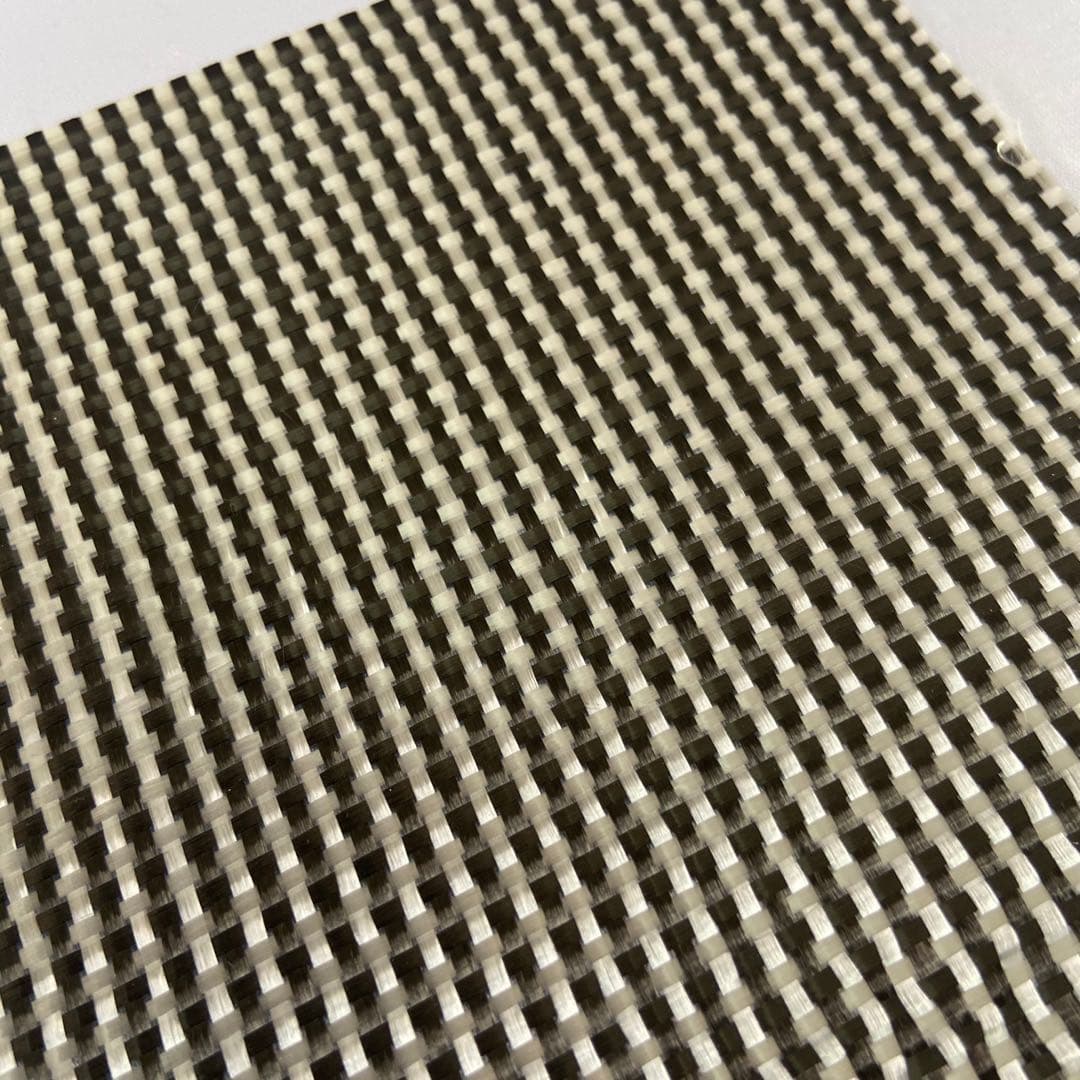
A hybrid laminate can place different reinforcements where each serves a clear purpose. A visible carbon layer may be paired with glass reinforcement behind it, or carbon and glass yarns may be combined in one woven material. This can be useful, but “hybrid” is not automatically the midpoint between two material data sheets.
The designer still needs to define:
- which layer carries which load or surface function;
- the stacking sequence and fiber directions;
- resin and process compatibility;
- thickness and finish targets;
- how the mixed laminate will be inspected and tested.
For available woven and mat formats, see the carbon-glass hybrid fabric guide. Any performance or cost conclusion should be based on the proposed laminate, not a generic percentage.
A Five-Step Selection Workflow
1. Define the Part and Failure Consequence
State the part, service environment, expected life, critical dimensions, and what happens if the part does not meet its requirement. A decorative cover and a load-carrying component should not follow the same approval path.
2. Convert Loads into Fiber Directions
Identify primary tension, bending, shear, torsion, impact, and local attachment loads. Then define which fiber orientations must address them. If this is not known, material purchasing is premature; laminate engineering comes first.
3. Lock the Process and Resin Constraints
Tell the supplier whether the reinforcement will be cut and laid by hand, infused, wound, pressed, or used in another process. State the resin family and any known sizing or binder requirement. A reinforcement that looks suitable on paper can fail the production task if it will not conform, stay in place, wet out, or release air in the chosen process.
4. Compare Total Production Consequences
Include material yield, cutting waste, number of plies, placement time, resin demand, cycle time, scrap risk, inspection, and required documentation. These inputs are project-specific; do not replace them with a universal carbon-versus-glass cost ratio.
5. Validate in Stages
Use the supplier's current technical data to screen candidates, then approve the material through the project's own sequence: sample inspection, process trial, coupon or panel testing, prototype part, and production control. The rigor should match the consequence of failure.
Common Selection Mistakes
- Comparing only fiber names while ignoring architecture and resin.
- Using a single tensile value to represent a multidirectional laminate.
- Assuming the same GSM means the same thickness or performance.
- Choosing a visible weave without defining cosmetic acceptance.
- Approving a material before testing it in the real process.
- Treating a supplier's standard product description as a complete engineering specification.
- Asking for “best quality” instead of measurable acceptance criteria.
What to Send in the First Inquiry
A useful first inquiry does not need a finished drawing package, but it should include the part or application, preferred material family, reinforcement form, target areal weight or range, width, resin, process, quantity, delivery destination, and required documents. Add the service environment and test standard when they affect selection.
Use the composite reinforcement RFQ checklist to organize those inputs. If the material family is still open, send both the must-have constraints and the items that can change. That gives a supplier a better basis for proposing carbon, glass, or a hybrid route without guessing at the application.
Next Step
Shortlist the reinforcement family only after the part, load directions, process, and acceptance method are clear. Then compare specific candidate data and request representative samples. Browse the carbon fiber range and glass fiber range, or send the completed specification through the contact page.
Related Guides
Frequently Asked Questions
No. Carbon fiber typically offers higher stiffness at lower mass, but "stronger" depends on the load direction, laminate design, and which property is being measured. A well-engineered fiberglass laminate can outperform a poorly oriented carbon laminate for a given part, so the comparison has to be made on the finished laminate, not on the fiber name alone.
Fiberglass is usually the better starting point when reinforcement cost is a major constraint, when large surface areas or thick laminates need to be built up, or when the application does not require carbon's stiffness-to-weight profile. It also remains the standard choice where electrical non-conductivity is required, since carbon fiber is electrically conductive.
Yes, hybrid laminates are common, either as separate carbon and glass plies in a defined stacking sequence or as a woven fabric that combines carbon and glass yarns. The design still needs to define which layer carries which load or surface function, and the combined laminate should be validated with the same rigor as a single-material laminate, using the relevant [ASTM International standards](https://www.astm.org) or other applicable test methods to compare supplier data sheets on a consistent basis.

Author
ZeYuSen Fiber Technical Team
Focused on fiberglass mats and veils, carbon fiber mats, and desiccant rotor forming paper for industrial material selection and process evaluation.
Need help choosing a material?
Send your application, process, and target specifications. ZeYuSen Fiber can help evaluate carbon fiber mats, fiberglass mats and veils, or desiccant rotor forming paper.
Contact ZeYuSen FiberOn this page
- Quick Decision View
- Compare the Complete Laminate, Not Just the Fiber
- When Carbon Fiber Is the Better Candidate
- When Fiberglass Is the Better Candidate
- When a Hybrid Approach Makes Sense
- A Five-Step Selection Workflow
- 1. Define the Part and Failure Consequence
- 2. Convert Loads into Fiber Directions
- 3. Lock the Process and Resin Constraints
- 4. Compare Total Production Consequences
- 5. Validate in Stages
- Common Selection Mistakes
- What to Send in the First Inquiry
- Next Step