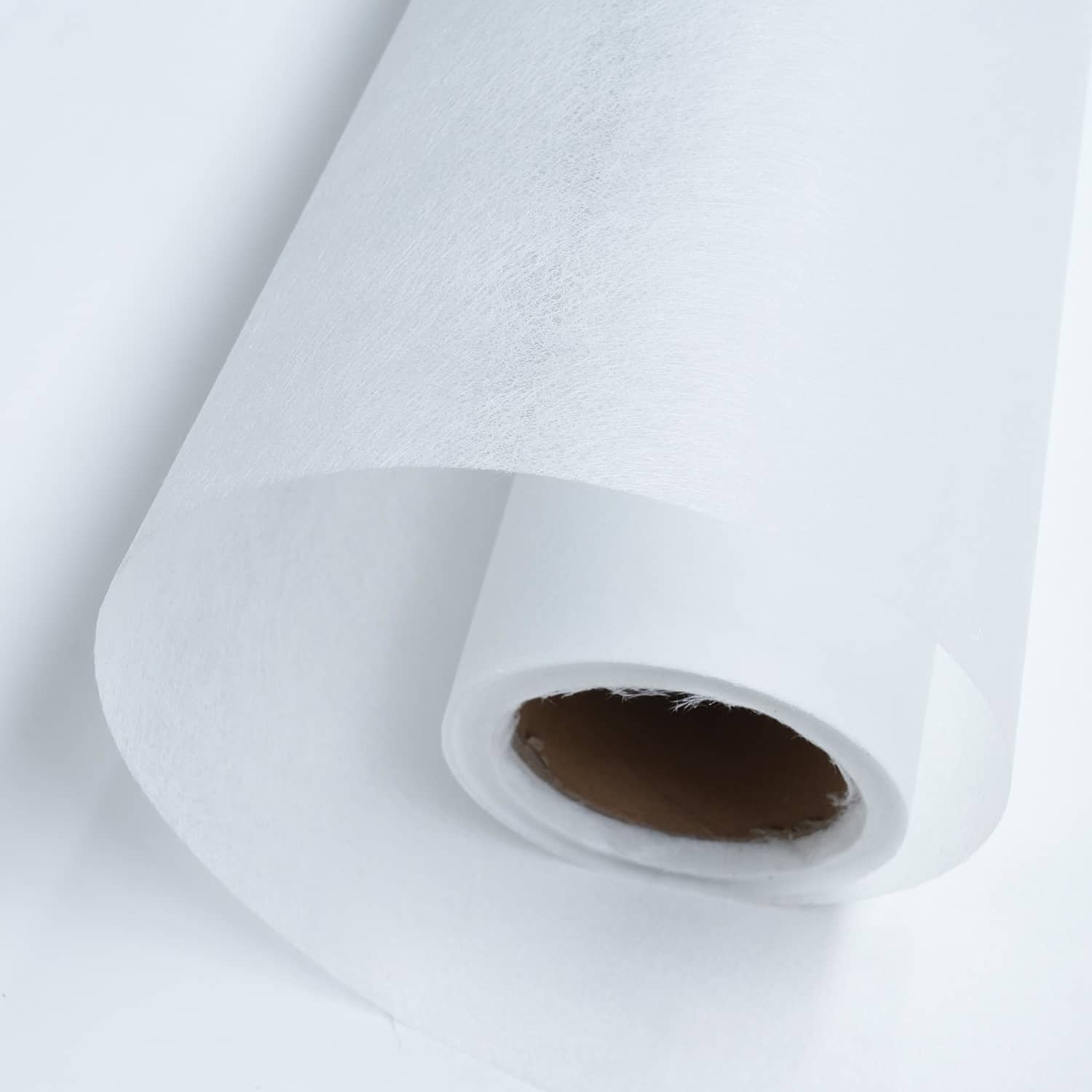
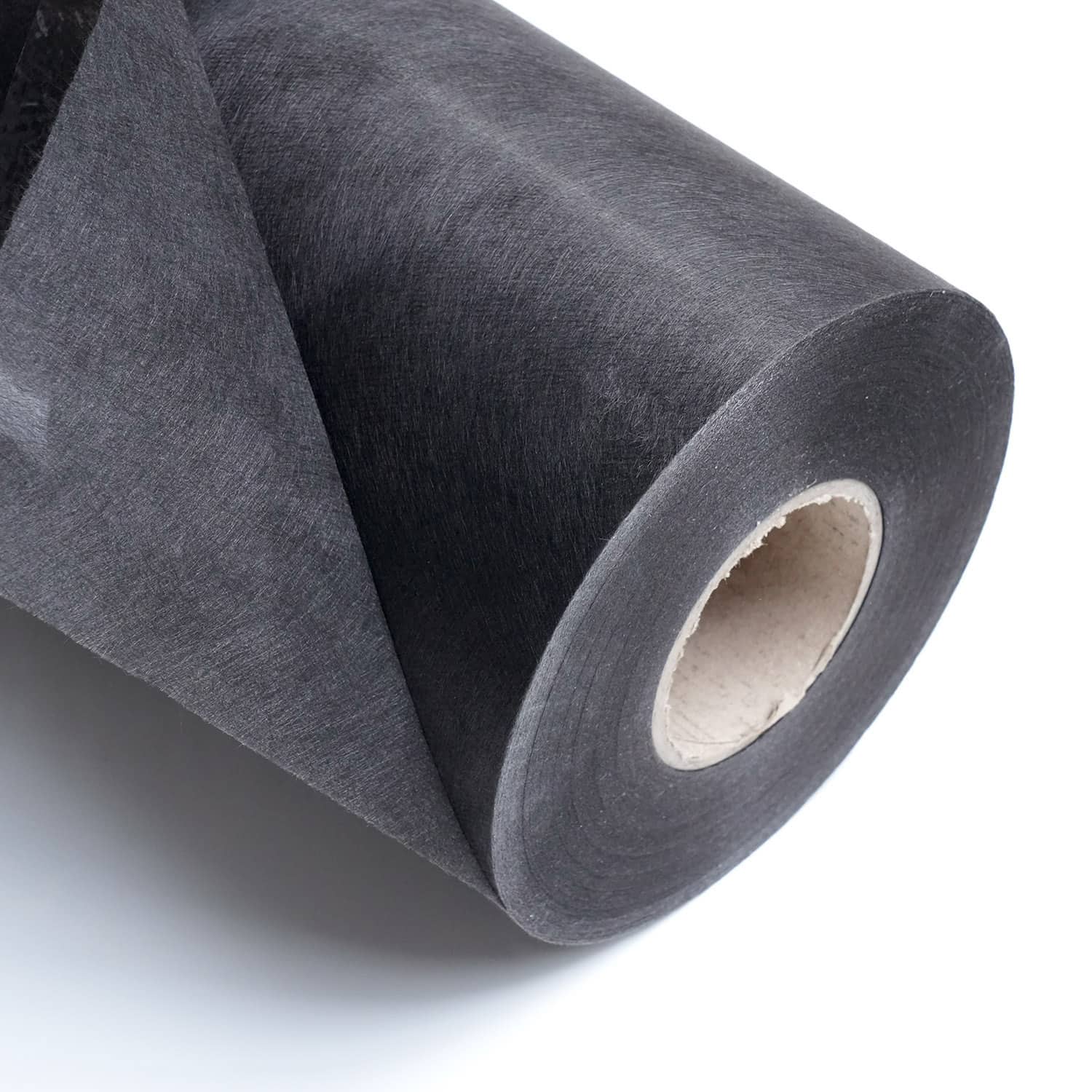
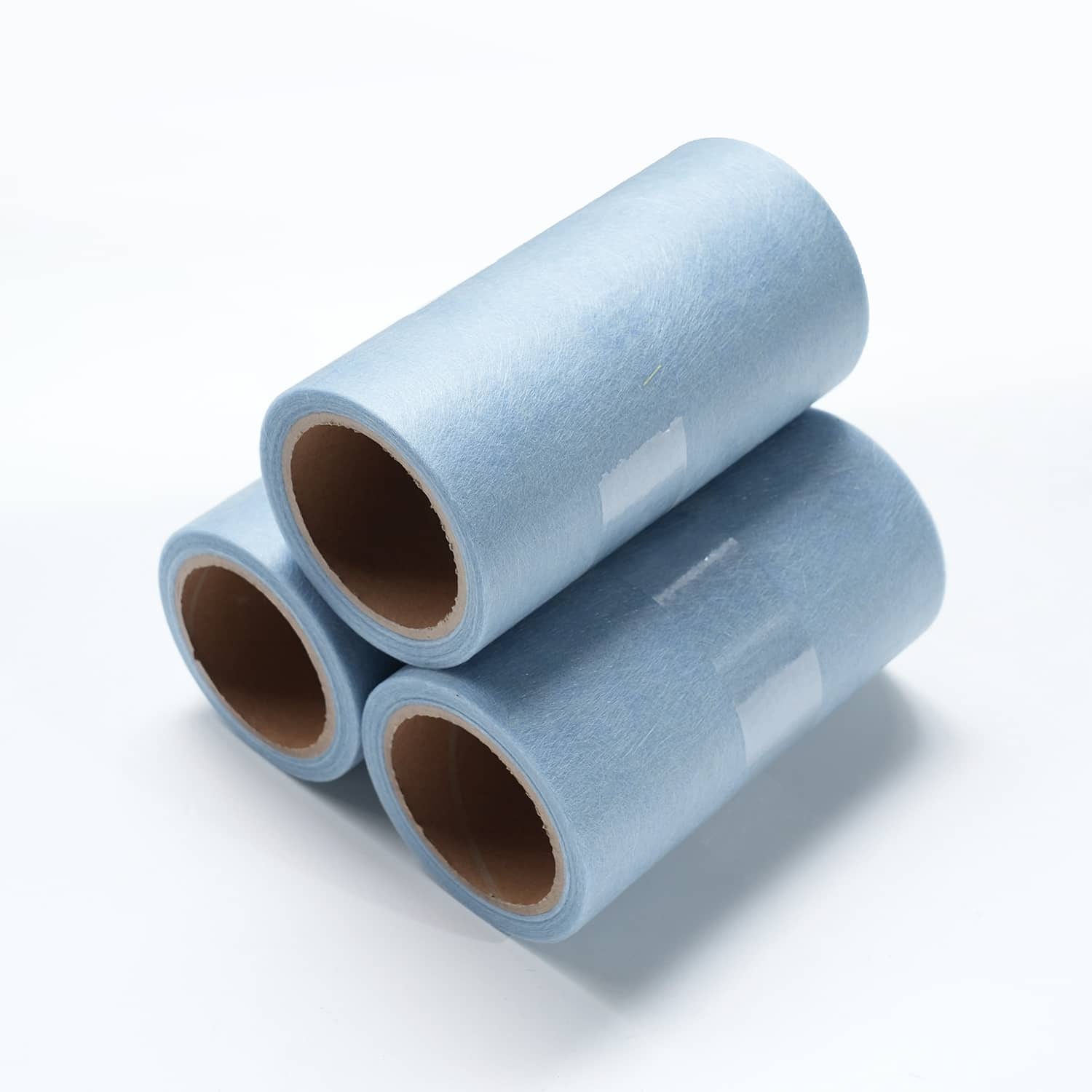
Fiberglass Surface Tissue Mat
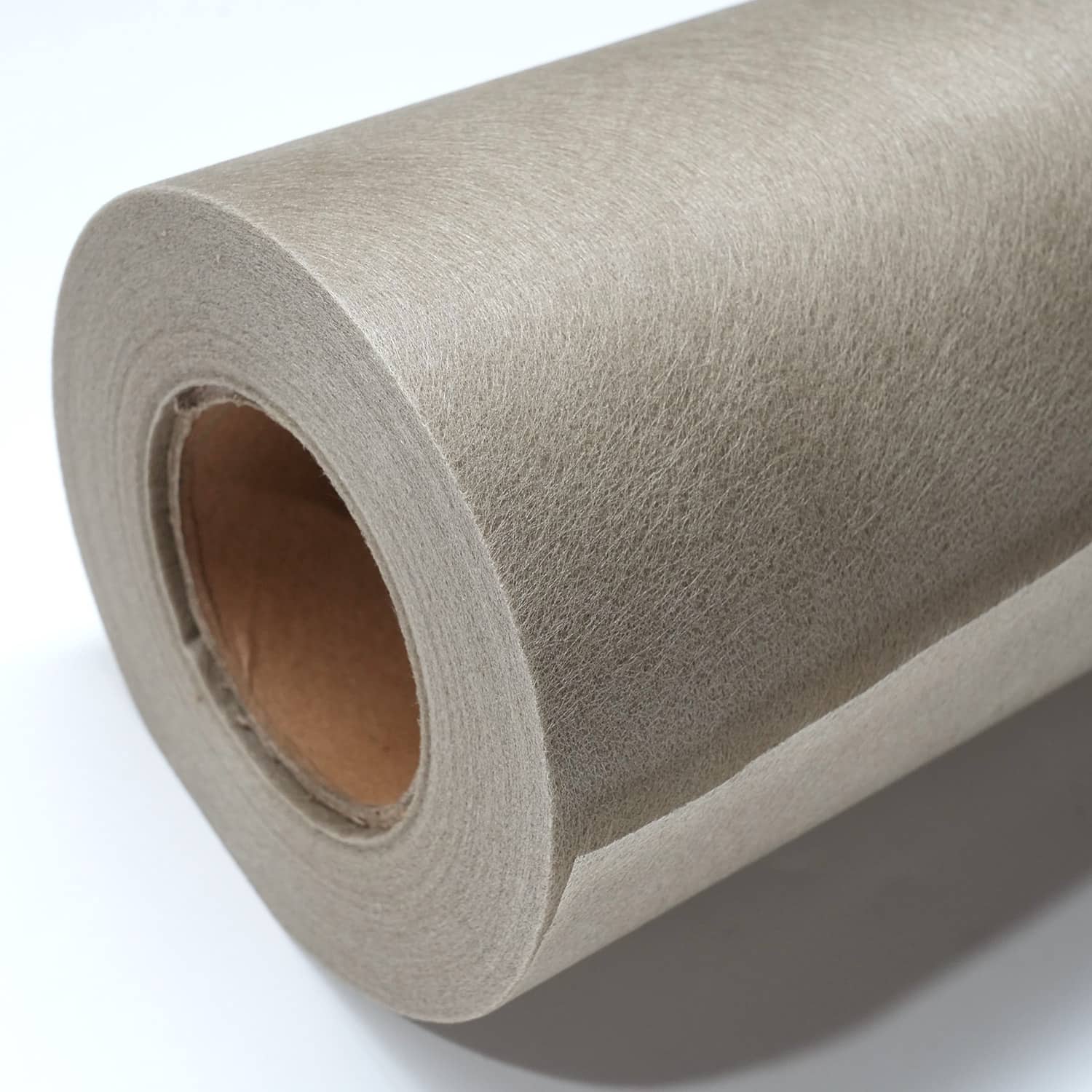
Surface tissue mat with uniform fiber distribution, smooth surface, and fast resin penetration. Available in winding and hand-laid series for FRP products.
Key Features
- Uniform fiber distribution
- Fast resin penetration
- Smooth surface finish
- Winding and hand-laid series
Specifications
| Parameter | Value |
|---|---|
| Weight | 10g / 30g / 50g / 300g |
| Process | Wet-laid |
| Binder | PVA / Polyester |
| Application | FRP Surface Layer |
Overview
Fiberglass surface tissue mat is a thin, wet-laid veil applied as the outermost layer of FRP products to create a smooth, resin-rich surface. Its uniform fiber distribution and fast resin penetration produce a finish that hides the coarse texture of structural reinforcement beneath and improves corrosion and weather resistance on the part surface.
Available in winding and hand-laid series and in weights from 10g up to 300g, the tissue suits a wide range of FRP processes, from pipe and tank winding to manual lay-up of panels and moldings. The veil wets out quickly and conforms to the mold, leaving a consistent gel-coat-ready surface that resists fiber print-through and microcracking.
Bonded with PVA or polyester binders depending on the resin system, the surface tissue is a standard finishing layer wherever a clean, durable composite surface is required. It pairs with polyester, vinyl ester, and epoxy resins commonly used in FRP manufacturing.
Applications
Frequently Asked Questions
What does a surface tissue mat do in an FRP laminate?
It forms a thin, resin-rich outer layer that creates a smooth surface, hides the texture of structural reinforcement, and improves corrosion and weather resistance while preventing fiber print-through.
What weights are available?
Surface tissue is offered from 10g up to 300g, in both winding and hand-laid series, so it can be matched to the process and finish requirements of the part.
Which binder should I choose?
The tissue is available with PVA or polyester binders. The choice depends on the resin system being used, with polyester binders commonly paired with polyester and vinyl ester resins.
Related Guides
Fiberglass Surface Tissue: Selection & Corrosion Barrier Guide
Choose fiberglass surface tissue by laminate role, glass type, areal weight, binder, resin, roll format, and a practical validation plan.
Composite Laminates: Surface, Structural, and Core Layers
How laminated composite materials stack surface veils, structural reinforcements, and core into one laminate, and what to specify for each layer in an RFQ.
GSM to oz/yd² Conversion: Fiberglass Fabric Weight Guide
1 oz/yd² = 33.906 g/m². Convert fiberglass fabric weight between GSM and oz (200 gsm = 5.9 oz, 6 oz ≈ 203 gsm, 400 gsm = 11.8 oz) and see what areal weight means in an RFQ.