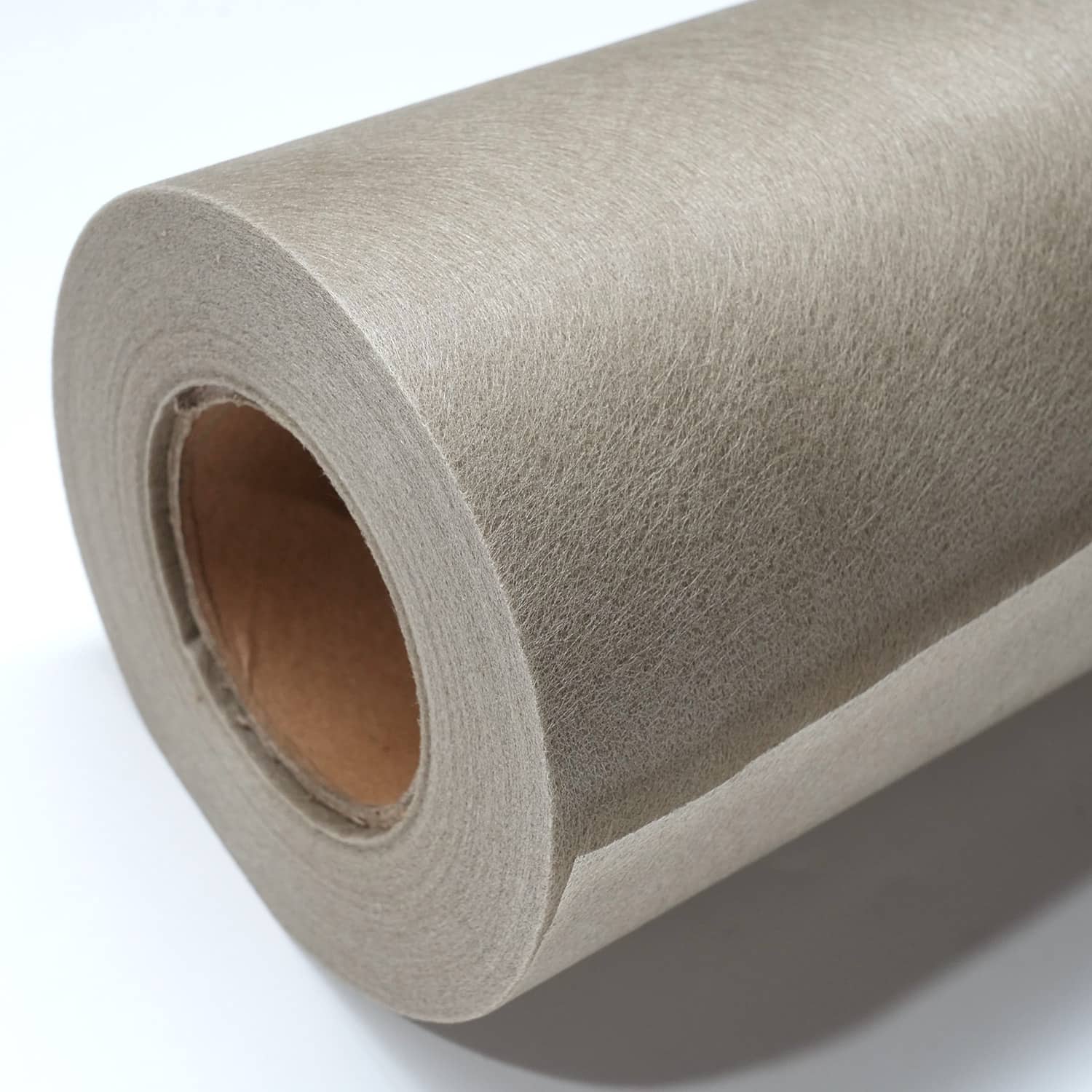
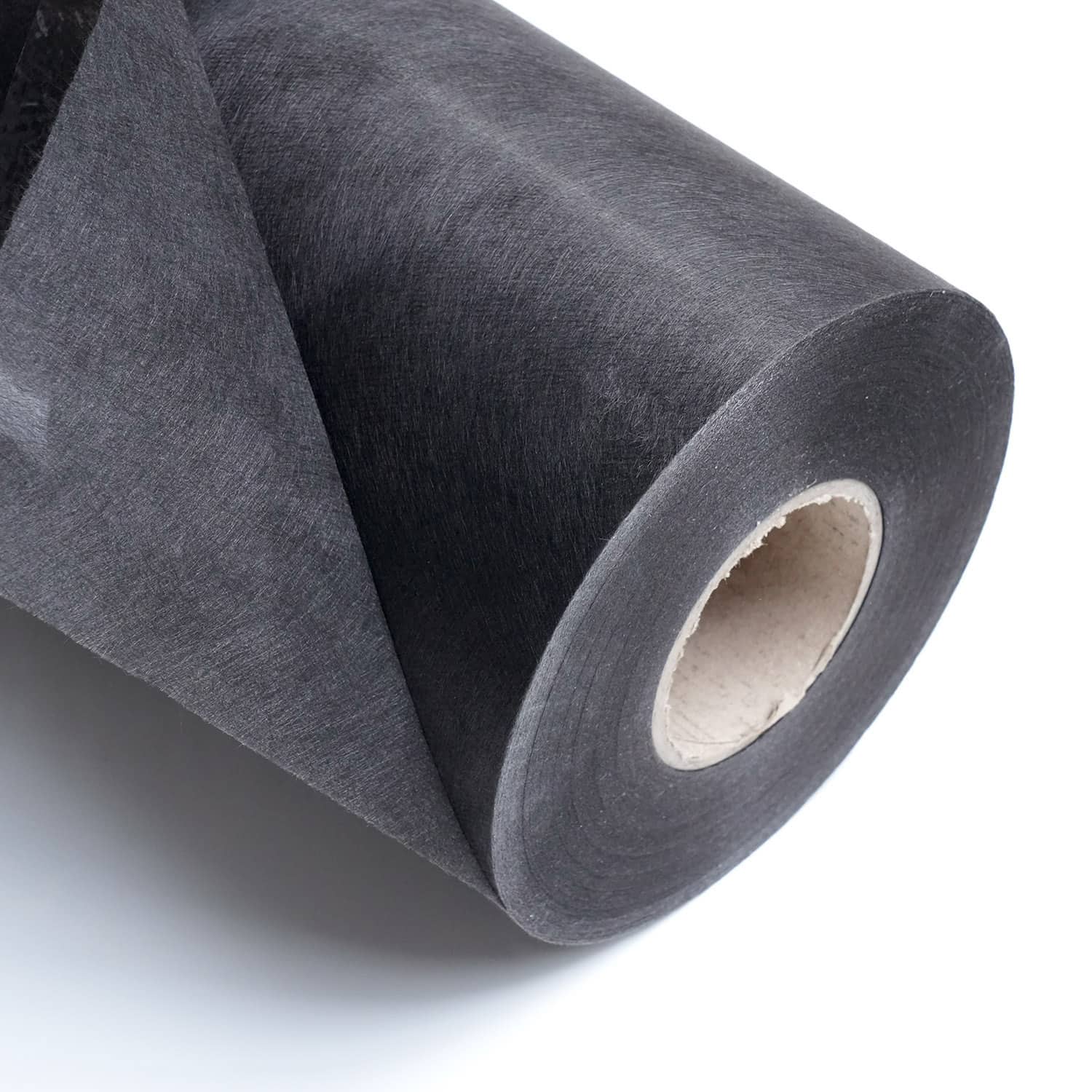
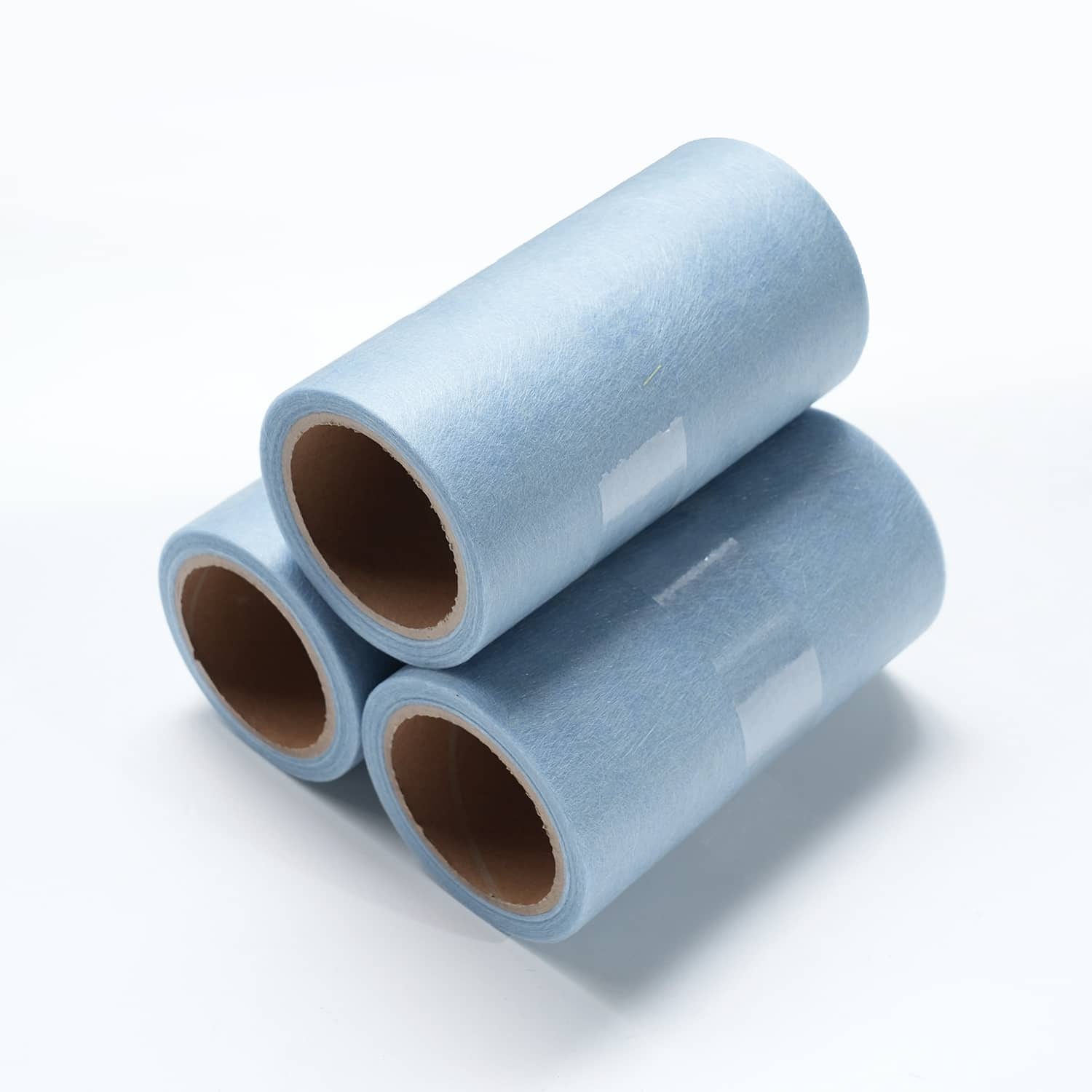
Desiccant Rotor Substrate Paper
Wet-laid glass fiber forming paper for the flat and corrugated layers of desiccant rotor cores. Basis weight, thickness, width, binder, and converting requirements are confirmed for each rotor project.
Key Features
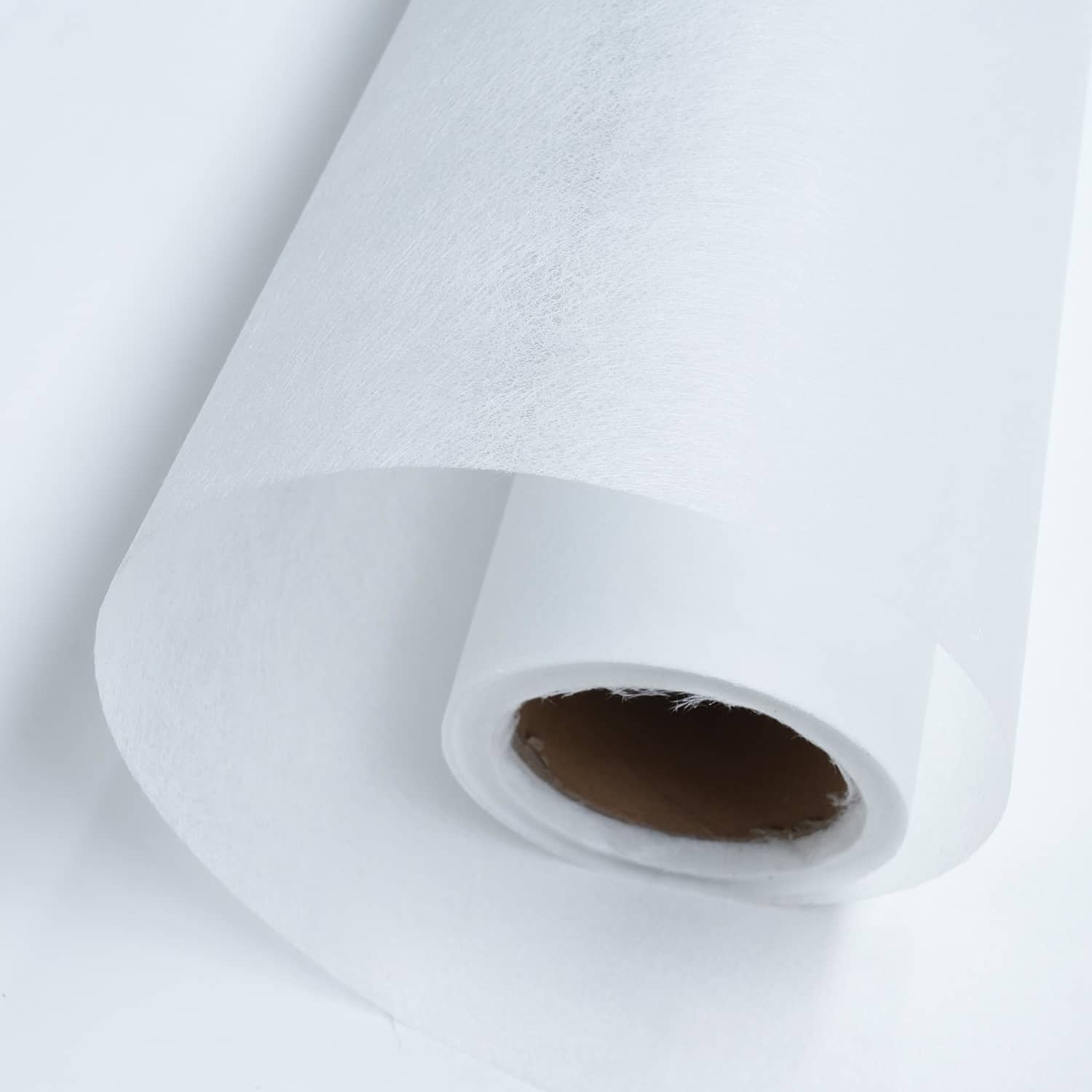
- Glass fiber substrate for desiccant rotor cores
- Roll material for corrugating and forming trials
- Basis weight, thickness, and width reviewed by project
- Binder and impregnation compatibility evaluated before approval
Specifications
| Parameter | Value |
|---|---|
| Material | Wet-laid glass fiber paper |
| Supply Form | Roll material |
| Project Variables | Basis weight, thickness, width, binder |
| Validation | Corrugating, forming, impregnation / coating |
Overview
Desiccant rotor substrate paper is a wet-laid glass fiber forming paper used to build the flat and corrugated layers of a honeycomb rotor core. It is supplied as a base material for downstream corrugating, bonding, forming, and desiccant impregnation or coating rather than as a finished rotor.
Rotor designs differ in channel geometry, airflow, regeneration conditions, and adsorbent system. For that reason, basis weight, thickness, roll width, binder, and roll construction are reviewed against the customer's converting process instead of being presented as one universal grade.
For an effective material evaluation, share the intended rotor type, target paper dimensions, corrugating or forming method, impregnation or coating system, operating conditions, and validation standard. Samples should be tested through the intended process before production approval.
Applications
Frequently Asked Questions
What is desiccant rotor substrate paper?
It is a wet-laid glass fiber base paper used for the flat and corrugated layers of a desiccant rotor core. The material is converted and combined with the selected desiccant system by the rotor manufacturer.
Is this a finished desiccant rotor?
No. It is the glass fiber paper substrate supplied for downstream corrugating, forming, bonding, and impregnation or coating. Finished-rotor performance depends on the complete rotor design and processing system.
Which information is needed for a quotation or sample?
Please provide the rotor application, target basis weight, thickness, roll width, binder or chemical compatibility requirements, roll format, corrugating process, and planned impregnation or coating method.
Can one grade be used with every desiccant or molecular sieve system?
Not automatically. Binder compatibility, forming behavior, operating conditions, and the selected desiccant or molecular sieve system should be evaluated together in the customer's process before production approval.
Related Guides
Desiccant Rotor Paper vs. Enthalpy Wheel Media: What Are You Buying?
Clarify whether an enquiry concerns desiccant rotor base paper, energy-recovery media or a replacement wheel before discussing material suitability with a supplier.
Desiccant Rotor Substrate Paper: A Buyer's Specification Guide
Specify glass fiber forming paper for desiccant rotor cores: separate substrate requirements from rotor performance, compare roll specifications, and prepare a useful sample request.
Desiccant Rotor Paper: Corrugation and Impregnation Trial Checklist
Plan a traceable desiccant rotor paper trial, from flat paper through corrugating, impregnation and honeycomb samples, with a reusable stage record.
Composite Reinforcement RFQ Checklist for Buyers
Prepare a clearer carbon fiber or fiberglass RFQ with the part, material form, specifications, resin process, quantity, packaging, quality, and document requirements.