
Desiccant Rotor Paper vs. Enthalpy Wheel Media: What Are You Buying?
Clarify whether an enquiry concerns desiccant rotor base paper, energy-recovery media or a replacement wheel before discussing material suitability with a supplier.
An enquiry for “desiccant wheel media” does not identify a material on its own. It might concern paper for a rotor manufacturer, treated media for an energy-recovery application, or a replacement part for an existing machine. Before selecting a supplier, establish two things: what the wheel does in the system, and what physical item you need to buy.
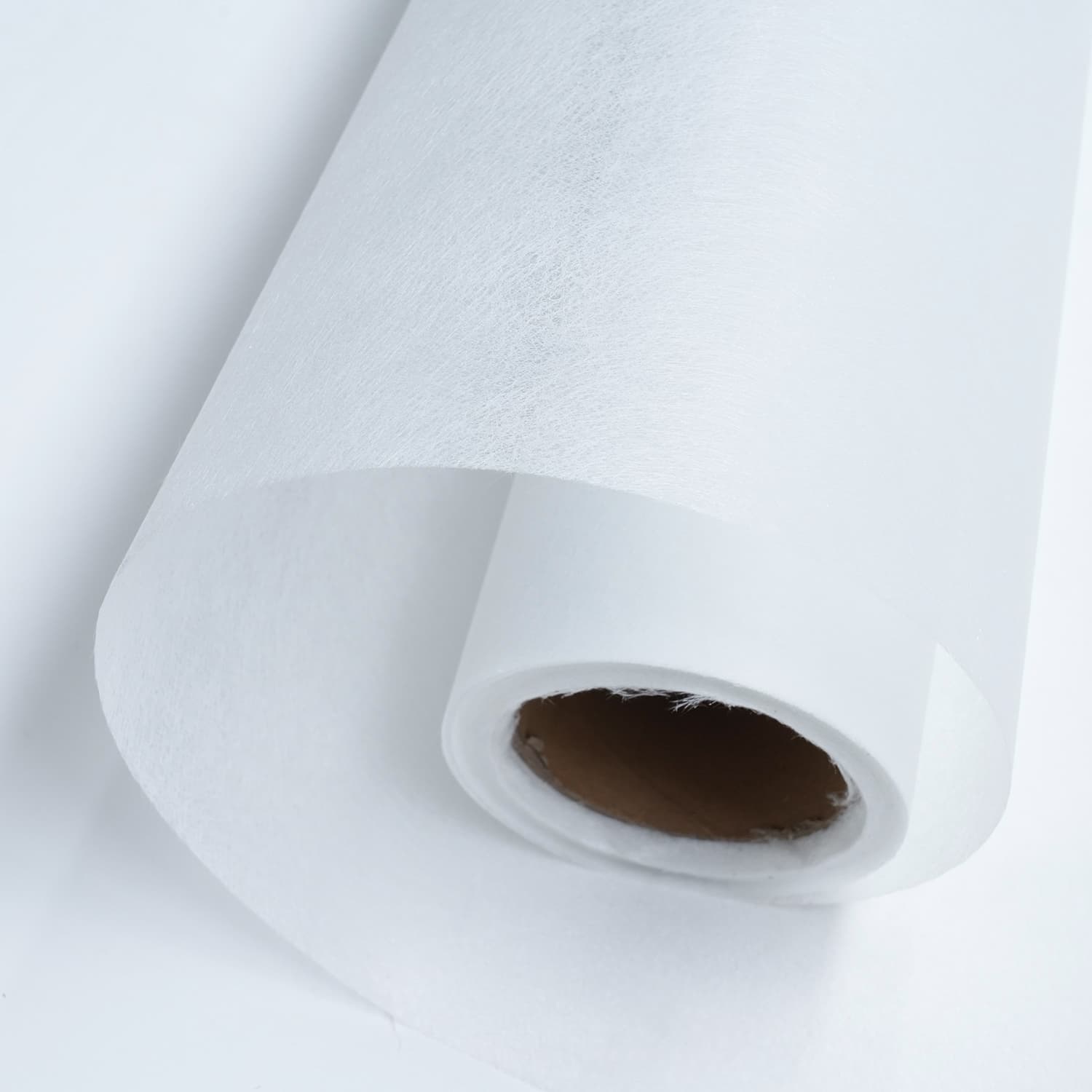
Zeyusen's desiccant rotor substrate paper is wet-laid glass fiber base paper supplied in rolls for downstream forming and treatment. This supply scope does not establish that the paper is suitable as replacement enthalpy-wheel media, nor does it describe a finished rotor.
Start with the wheel's job in the air-handling system
Munters' rotor explanation describes a dehumidification wheel moving between process air and a heated reactivation stream. Heatex's rotary heat exchanger overview describes heat recovery between supply and exhaust air, with moisture transfer in suitable designs.
These descriptions give useful context, but the name on an enquiry may still be ambiguous. Ask the equipment designer which air streams pass through the wheel and what the system is meant to achieve. A drying requirement and a ventilation energy-recovery requirement should not be merged into one material specification without that explanation.
Do not use “contains a desiccant” as the only dividing line. Confirm the actual equipment function and approved material specification.
A shared honeycomb appearance is not a substitution approval
“Paper,” “matrix,” “media,” “core” and “wheel” refer to different possible supply stages. A buyer asking for media may expect an already treated structure; a paper manufacturer may understand the same request as an untreated carrier roll. Confirm that distinction before comparing offers.
Likewise, a photograph of channels cannot identify the substrate, surface treatment or approved application. Ask for the material or equipment reference behind the photograph. The white-roll image on this page shows Zeyusen's base-paper form, not an enthalpy wheel or an approved replacement core.
If a request describes an existing wheel that needs replacing, begin with the original equipment or wheel supplier. Dimensions alone are not a material approval. Changing to another substrate is an engineering evaluation, not a like-for-like purchase established by the word “honeycomb.”
Read the enquiry and ask for the missing information
The following is a suggested routing aid for purchasing and technical sales. It is not a test standard or a record of customer enquiries.
| Wording received | What remains unclear | The next useful question or recipient |
|---|---|---|
| “Glass fiber paper for a desiccant rotor” | Whether the buyer needs a carrier roll or already treated material | Confirm the supply stage and who performs forming and treatment; discuss the base-paper route if applicable |
| “Enthalpy wheel media for an air-handling unit” | Whether this is new manufacture or a replacement for installed equipment | Request the equipment or wheel reference and approved media specification; start with the equipment/media supplier |
| “Silica-gel honeycomb” or “molecular-sieve media” | The wheel's system function and the physical item being purchased | Ask for the application and whether the order is for paper, treated core or an assembled wheel |
| A wheel photo and its diameter | Material identity, treatment and replacement requirements | Request the nameplate, model and original part reference; do not infer a paper grade from appearance |
| “The same paper for both wheels” | Whether the two positions have separately validated requirements | Ask for each wheel's function and approved material reference before discussing substitution |
A useful clarification might read: “We manufacture the dehumidification rotor and need unprocessed glass fiber paper; forming and treatment are performed by our team.” That points toward a base-material discussion. By contrast, “We need a replacement energy-recovery wheel for this air-handling unit” points toward an equipment or replacement-media discussion. These are illustrative statements, not project results.
Keep the handoff short
Once the application is clear, send the supplier the equipment function, requested supply stage and the document or part reference that governs the request. List any unknowns explicitly. If the material has already been approved, include that reference; if substitution is being considered, say that evaluation is still needed.
For an enquiry that genuinely concerns Zeyusen rotor base paper, the substrate-paper specification guide covers the next step: defining comparable paper and roll requirements. When a candidate paper enters your converting process, use the corrugation and impregnation trial checklist to record what was actually evaluated.
Common scope questions
Does an enthalpy wheel also transfer moisture?
It can, depending on its design. That does not make its media interchangeable with paper intended for a separate dehumidification rotor. Confirm the function and material specification of the actual wheel.
If both descriptions mention a desiccant, can the same paper be used?
The shared term is not enough. It does not confirm the carrier, treatment, supply stage or application approval. Ask which requirements have been validated for each material and which still need evaluation.
Can Zeyusen's rotor paper be ordered as replacement energy-recovery media?
The current product information supports a glass fiber base-paper supply for downstream desiccant-rotor processing. It does not establish an approved replacement for an enthalpy wheel. Refer an installed-wheel replacement request to the equipment or media supplier before considering a material change.
What if the enquiry only says “rotor paper”?
Ask what the rotor does, whether the buyer wants a roll or processed component, and who owns the applicable specification. Those answers are more useful at this stage than guessing a grade from a photograph.
Discuss the correct material scope
If your project needs raw paper for manufacturing a dehumidification rotor, review the Zeyusen rotor-paper product details and contact the team with the application and supply-stage information. This establishes a clear starting point for evaluating the base material without confusing it with a finished wheel's requirements.
Related Guides

Author
ZeYuSen Fiber Technical Team
Focused on fiberglass mats and veils, carbon fiber mats, and desiccant rotor forming paper for industrial material selection and process evaluation.
Need help choosing a material?
Send your application, process, and target specifications. ZeYuSen Fiber can help evaluate carbon fiber mats, fiberglass mats and veils, or desiccant rotor forming paper.
Contact ZeYuSen FiberOn this page
- Start with the wheel's job in the air-handling system
- A shared honeycomb appearance is not a substitution approval
- Read the enquiry and ask for the missing information
- Keep the handoff short
- Common scope questions
- Does an enthalpy wheel also transfer moisture?
- If both descriptions mention a desiccant, can the same paper be used?
- Can Zeyusen's rotor paper be ordered as replacement energy-recovery media?
- What if the enquiry only says “rotor paper”?
- Discuss the correct material scope