
Desiccant Rotor Paper: Corrugation and Impregnation Trial Checklist
Plan a traceable desiccant rotor paper trial, from flat paper through corrugating, impregnation and honeycomb samples, with a reusable stage record.
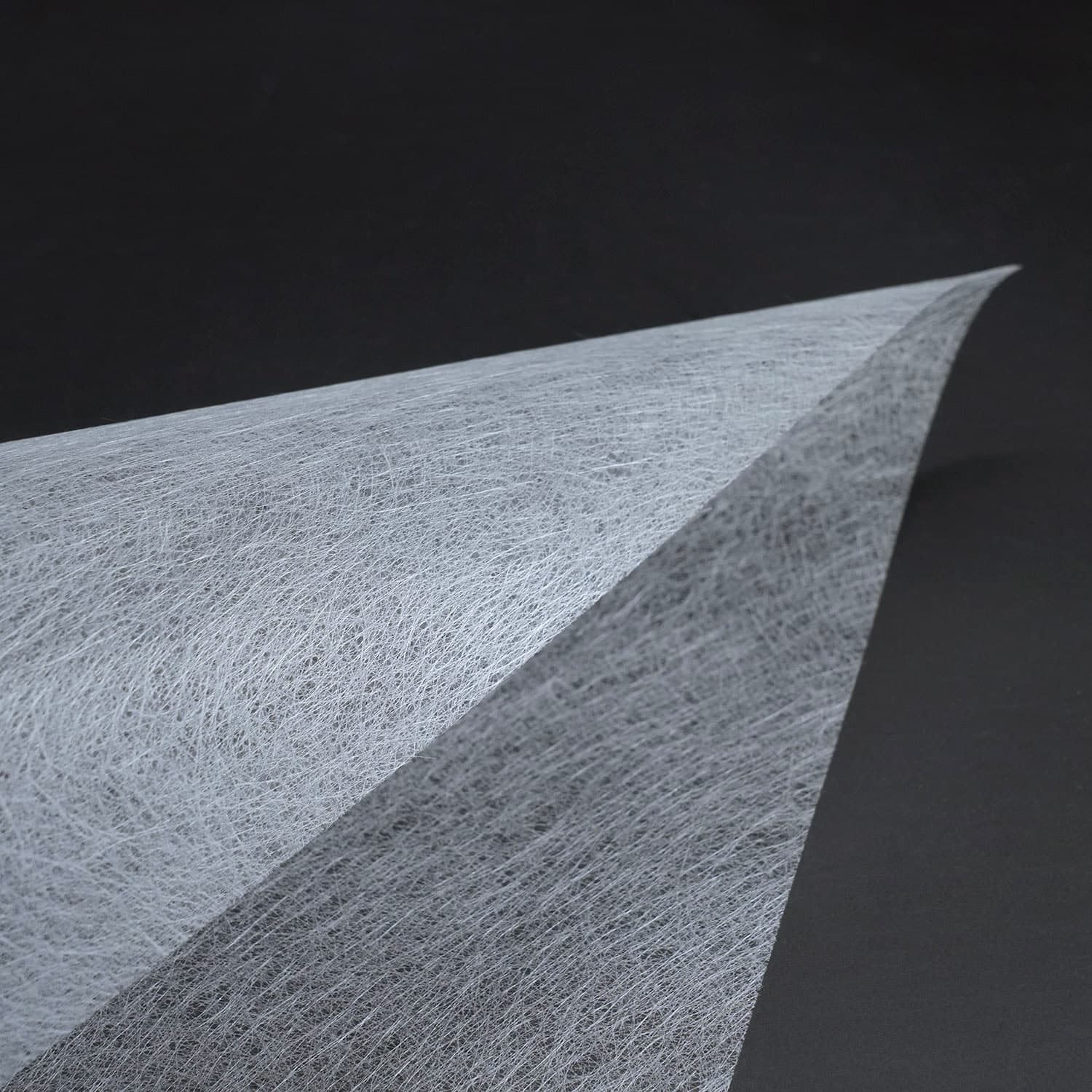
A useful paper trial leaves a record that another engineer can follow: which roll was used, which process version it passed through, where a change first appeared, and who decided the next step. A finished honeycomb sample on its own cannot answer all of those questions.
This guide is for rotor manufacturers evaluating desiccant rotor substrate paper through their own converting process. The checklist is a suggested recording template, not an industry standard or a report of tests performed by Zeyusen. Your engineering and quality teams need to define the methods and acceptance criteria for the project.
The photograph shows the paper's appearance. It does not establish tensile strength, chemical compatibility or a passed forming trial.
Identify the paper and the process route
Zeyusen supplies wet-laid glass fiber base paper for the flat and corrugated layers of rotor cores. Before testing, connect each sample to the supplier product reference, lot and roll. Keep the flat-layer and corrugated-layer identities separate if different papers are used.
Record the actual sequence of shaping, bonding, impregnation or coating, and any drying or treatment stages. Use your project's approved route; the checklist does not prescribe whether treatment occurs before or after forming.
Assign a route revision and a sample ID before beginning. If the paper specification is still unresolved, use the substrate paper selection guide first to distinguish purchasing requirements from trial questions.
Record evidence at each stage
Use the following rows in the order of your actual process. Add or remove stages as needed. For every row, record the sample ID, process-setting revision, observation, photograph or retained-sample reference, and decision.
| Stage | What to record | Evidence to retain |
|---|---|---|
| Flat paper before processing | Roll identity, sample location, paper direction, edge condition and visible marks | Label reference, baseline photographs and an identified unprocessed piece |
| Corrugating or forming | Tool or profile reference, setting revision and observations at the crests, valleys and edges | A labelled formed piece; close-ups of any cracks, tears or uneven profile |
| Impregnation or coating | Treatment-system reference, process revision and observations before and after treatment | Paired photographs and labelled samples from the relevant stages |
| Bonding and honeycomb assembly | Flat and corrugated paper IDs, assembly revision and visible joint or channel condition | Sample orientation, end-face photographs and locations of any separated joints or obstructed channels |
| After the defined treatment and conditioning | Method revision, measured results with units, and deviations from agreed criteria | Test-record references, retained-sample location and the review decision |
Do not write “good” as the whole observation. Write what was examined and the criterion used. If only the end face was inspected, say so; that observation does not describe every internal channel.
Find the first observed change before assigning a cause
If tearing appears after corrugating, compare the labelled flat-paper baseline with the formed sample. If separation is first noticed after a later treatment, compare the records immediately before and after that stage. “First observed after treatment” is useful evidence; “the paper is incompatible” is a conclusion that still needs investigation.
For a repeat trial, state what question it will answer. Keep the same paper identity and documented process where possible, change the intended variable, and record any other differences. If several settings changed together, do not attribute the result to just one of them.
Photograph the whole sample and then the affected area, with orientation and a scale where helpful. Mark sample identity beside the material rather than relying on a filename such as “failed sample.” Retain material in accordance with the agreed handling procedure so that the comparison remains usable.
Copy this trial record
Use one header for a trial and repeat the stage block for each operation. Blank fields below are intentional; they are not example test results.
TRIAL HEADER
Project / trial ID / date / operator:
Question this trial must answer:
Paper product reference / supplier lot / roll ID:
Flat-layer paper ID / corrugated-layer paper ID:
Sample location and paper direction:
Process route and revision:
Acceptance document / method / revision:

STAGE RECORD — repeat for each operation
Sample ID / stage / date:
Equipment or tool reference / setting revision:
Treatment or bonding system reference, if applicable:
Observation / measurement / unit / method:
First stage where the change was observed:
Photo references / retained-sample location:
Decision: continue trial / hold / repeat / end trial
Reason / reviewer / next action:

FINAL REVIEW
Requirements checked / unresolved items:
Approved scope, if any / decision owner / date:
Next validation stage and responsible person:
“Continue trial” authorizes only the next agreed trial step. It should not be read as production approval.
Common trial questions
Does liquid uptake by the bare paper prove dehumidification performance?
No. Record it as a paper or treatment-stage observation. Finished-rotor evaluation belongs to the complete design and desiccant system. Munters' rotor development overview separately discusses adsorbents, fibers, production methods and media geometry. A bare-paper observation cannot substitute for the agreed finished-rotor test.
Can one successful honeycomb sample approve every paper grade?
Limit the decision to the material, process revision and conditions actually evaluated. Record any broader qualification work needed before approving another grade or a changed process. A successful sample does not by itself establish production consistency.
What should we send when requesting help with a trial?
Send the paper and sample IDs, process-stage sequence, revision references, paired observations, photographs and the specific question. State which information is still unknown. Share proprietary process details only through the channel agreed with your supplier.
Prepare the next material discussion
For a Zeyusen paper evaluation, start with the rotor substrate paper product page. Bring the target paper dimensions, converting route and the trial record to our contact team so the discussion can address the material and the stage that needs review. Basis weight, thickness, width, binder and converting requirements are confirmed for each project.
Related Guides

Author
ZeYuSen Fiber Technical Team
Focused on fiberglass mats and veils, carbon fiber mats, and desiccant rotor forming paper for industrial material selection and process evaluation.
Need help choosing a material?
Send your application, process, and target specifications. ZeYuSen Fiber can help evaluate carbon fiber mats, fiberglass mats and veils, or desiccant rotor forming paper.
Contact ZeYuSen FiberOn this page
- Identify the paper and the process route
- Record evidence at each stage
- Find the first observed change before assigning a cause
- Copy this trial record
- Common trial questions
- Does liquid uptake by the bare paper prove dehumidification performance?
- Can one successful honeycomb sample approve every paper grade?
- What should we send when requesting help with a trial?
- Prepare the next material discussion