
Composite Reinforcement RFQ Checklist for Buyers
Prepare a clearer carbon fiber or fiberglass RFQ with the part, material form, specifications, resin process, quantity, packaging, quality, and document requirements.
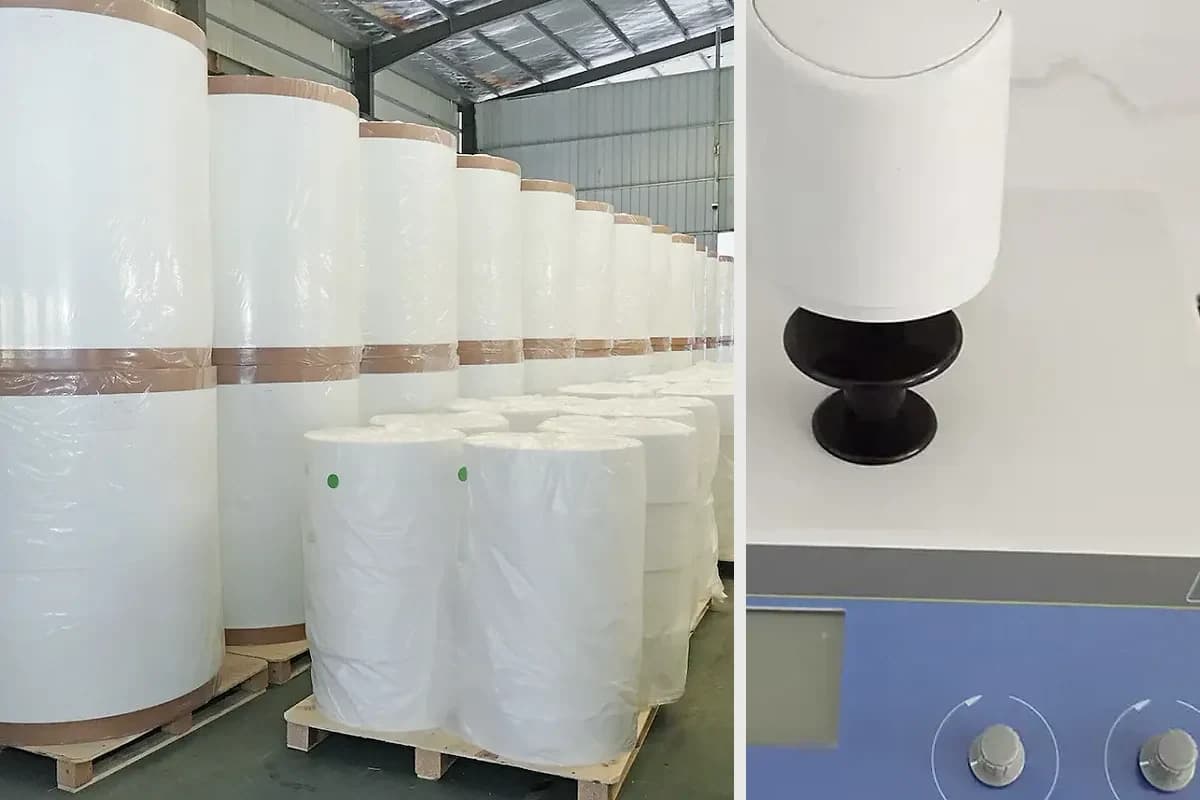
A useful request for quotation does more than name a material. It gives the supplier enough information to identify the correct reinforcement, expose assumptions, quote the same commercial basis, and flag technical gaps before a sample or production order.
This checklist applies to dry carbon fiber and fiberglass reinforcements such as woven cloth, multiaxial fabric, chopped strand mat, surface veil, yarn, chopped fiber, and milled material. Use only the fields relevant to the product and mark unknown items as “supplier proposal requested” instead of guessing.
1. Start with the Part and Application
Provide a short description of what is being made and what the reinforcement must do. Include:
- part or product name;
- industry and end use;
- structural, surfacing, cosmetic, conductive, insulation, or processing role;
- service environment, including temperature, chemicals, moisture, UV, or fire exposure when relevant;
- critical dimensions and surface requirements;
- consequence of failure and any regulated or customer-controlled use.
You do not need to disclose confidential geometry in the first message. A redacted drawing, section sketch, laminate concept, or photo can still clarify the task. Use an NDA process when detailed design data is required.
2. Identify the Reinforcement Form
Choose the closest form or ask for a proposal:
| Reinforcement form | Typical RFQ fields |
|---|---|
| Woven carbon or glass cloth | Fiber, tow / yarn, weave, GSM, width, sizing, roll construction, cosmetic limits |
| Unidirectional or multiaxial fabric | Fiber, orientations, layer weights, stitching, total GSM, width, process |
| Chopped strand mat | Glass type, GSM, fiber length if controlled, binder, width, resin process |
| Surface tissue or veil | Fiber, GSM, binder, width, color / surface role, resin system |
| Woven roving | Glass type, weave, GSM, width, roll, resin process |
| Carbon yarn | Grade, tow count, sizing, package mass, winding / weaving use |
| Chopped or milled carbon | Input fiber, nominal length or distribution, sizing / surface, bulk form, polymer or resin use |
The catalog can help identify a starting format: browse carbon fiber products and glass fiber products. Do not select solely from a product photo; confirm the specification and process fit.
3. Write the Material Specification
Include the fields that make the product identifiable and inspectable:
- fiber family and grade or property basis;
- construction: weave, random mat, directional orientation, stitching, or veil;
- nominal areal weight and tolerance;
- tow size, yarn, fiber length, or layer orientation when relevant;
- usable width and tolerance;
- sizing, binder, or surface treatment;
- color and inspected face for visible material;
- allowed defects and sampling method;
- approved equivalent policy.
For woven carbon, use the carbon fiber fabric specification guide. If carbon versus glass is still undecided, first use the material selection guide to define the trade-offs that matter to the part.
4. State the Resin and Manufacturing Process
Reinforcement selection cannot be separated from processing. Tell the supplier:
- resin family and specific system if already selected;
- hand lay-up, spray-up, infusion, RTM, compression molding, winding, prepreg conversion, or other process;
- open or closed mold;
- room-temperature or heated processing;
- required drape, flow, preforming, or automated handling behavior;
- whether surface finish, print-through, porosity, or fiber movement is controlled.
If compatibility is not established, ask what sizing or binder is used and what evidence the supplier can provide. Plan a process trial with the actual resin and tooling.
5. Give Quantity in a Comparable Unit
State both the trial requirement and the expected recurring demand when known. Include:
- sample or trial quantity;
- first production order quantity;
- estimated monthly or annual demand, clearly labeled as an estimate;
- purchasing unit: square meters, kilograms, rolls, packages, or pieces;
- acceptable roll length or package mass;
- whether partial rolls or splices are allowed.
Avoid asking only for “your MOQ.” The useful question is whether the requested construction, packaging, documents, and trial quantity can be supplied, and on what commercial basis. Do not present a forecast as a guaranteed order.
6. Separate Requested Date from Confirmed Lead Time
Provide the delivery destination, Incoterm if already selected, requested arrival date, and any deadline for samples or approval. Ask the supplier to state production lead time, available shipping basis, quote validity, and the assumptions behind the schedule.
The requested date is an input, not a supplier promise. A confirmed schedule should refer to the final specification, quantity, document package, payment condition, and approval status.
7. Define Packaging and Labeling
Packaging can affect moisture protection, handling, warehouse fit, and traceability. Specify, when relevant:
- core size and roll orientation;
- maximum roll mass or outer diameter;
- bag, wrap, carton, pallet, or crate requirement;
- moisture barrier or desiccant;
- pallet dimensions and stacking limits;
- label fields such as product, lot, roll, weight, length, date, and purchase order;
- barcode or customer label format;
- splice marking and defect marking.
8. Request Only the Documents You Need
List the exact quality and compliance package. Depending on the project, that may include:
- technical data sheet;
- safety information where applicable;
- certificate of analysis or conformity;
- lot and roll traceability;
- test report and test method;
- restricted-substance or regulatory declaration;
- country of origin and customs information;
- packing list and label sample;
- change-notification requirement.
Clarify whether documents are required with the quote, before approval, or with every shipment. Also state the language and file format.
9. Define Sample and Approval Steps
Tell the supplier how a candidate will be approved. A typical sequence can include document review, material sample, incoming inspection, process trial, test panel or coupon, prototype part, and first-article or production approval. Define who approves each step and what constitutes a pass.
Do not use a small visual sample to approve a structural application. The approval method should match the material's role and the consequence of failure.
Copy-and-Use RFQ Template
Company / project:
Part or application:
Reinforcement function:

Requested product form:
Fiber family / grade or property basis:
Construction, weave or orientation:
Nominal GSM and tolerance:
Tow, yarn or fiber length (if relevant):
Minimum usable width and tolerance:
Sizing, binder or surface treatment:
Color / cosmetic / defect requirements:

Resin system:
Manufacturing process:
Service environment:
Applicable test or acceptance standard:

Trial quantity:
First-order quantity:
Estimated recurring demand (non-binding):
Roll / package requirement:
Packaging and label requirement:

Required documents:
Sample and approval process:
Delivery destination:
Requested arrival date:
Commercial term / currency if required:

Items open to supplier proposal:
Requested exceptions and alternatives:
Final Check Before Sending
- Units are stated for every numeric field.
- Required, preferred, and optional items are separated.
- The quote unit and quantity basis are clear.
- Resin and manufacturing process are included.
- Packaging, documents, and destination are included in the commercial scope.
- Unknown technical fields are marked for supplier proposal rather than invented.
- Acceptance and sample steps match the consequence of failure.
- Confidential files are shared through an appropriate controlled channel.
Once the checklist is complete, submit it through the contact page. A clear RFQ makes technical exceptions visible early and gives purchasing a defensible basis for comparing proposals.
Specifying paper for a desiccant rotor
A rotor-paper enquiry needs to distinguish the glass fiber substrate from treated honeycomb media or a finished wheel. Use the desiccant rotor paper specification guide to define the supply stage, paper dimensions and roll format. Before approving a grade, agree the evaluation record using the corrugation and honeycomb trial checklist, then compare it with the rotor forming paper product.
Related Guides
Frequently Asked Questions
Mark it as "supplier proposal requested" instead of guessing a number. A guessed value can be quoted and produced literally, which is harder to correct later than an open field the supplier is asked to fill.
Enough to identify the part, its role, and the reinforcement form, even if several fields are still open. A first RFQ does not need every specification finalized; it needs the fields that are known stated clearly and the fields that are not known marked as open rather than left blank or assumed.
Suppliers quote differently depending on what is mandatory versus negotiable. If every field reads as a hard requirement, the supplier cannot offer a lower-cost equivalent or flag a workable substitution, and the quote may exclude options that would have met the actual need.

Author
ZeYuSen Fiber Technical Team
Focused on fiberglass mats and veils, carbon fiber mats, and desiccant rotor forming paper for industrial material selection and process evaluation.
Need help choosing a material?
Send your application, process, and target specifications. ZeYuSen Fiber can help evaluate carbon fiber mats, fiberglass mats and veils, or desiccant rotor forming paper.
Contact ZeYuSen FiberOn this page
- 1. Start with the Part and Application
- 2. Identify the Reinforcement Form
- 3. Write the Material Specification
- 4. State the Resin and Manufacturing Process
- 5. Give Quantity in a Comparable Unit
- 6. Separate Requested Date from Confirmed Lead Time
- 7. Define Packaging and Labeling
- 8. Request Only the Documents You Need
- 9. Define Sample and Approval Steps
- Copy-and-Use RFQ Template
- Final Check Before Sending
- Specifying paper for a desiccant rotor