
Basalt Fiber vs Fiberglass: A Practical Selection Guide
Compare basalt fiber and fiberglass by reinforcement format, supplier data, resin compatibility, process validation, sourcing, and RFQ requirements.
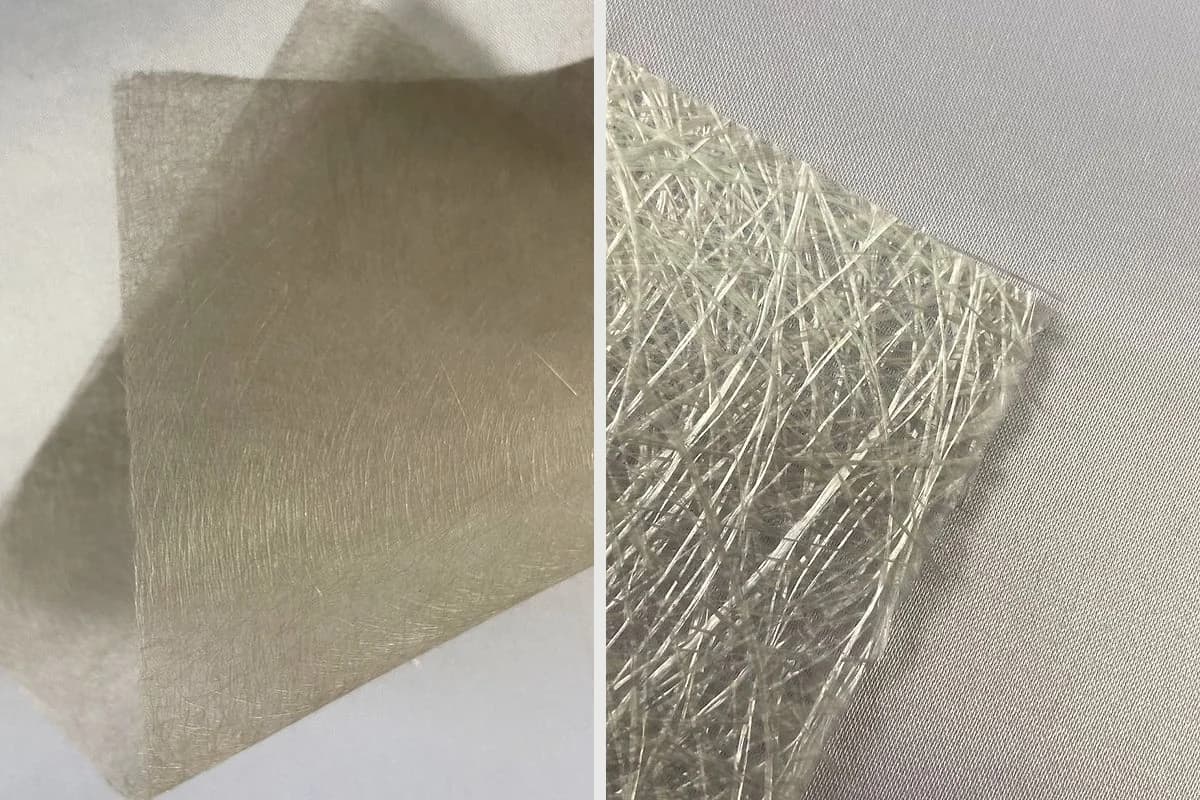
Basalt fiber and fiberglass are reinforcement families, not finished laminate specifications. Choosing between them requires more than a list of generic material advantages. Buyers need to compare the available format, fiber and sizing data, resin system, manufacturing process, service environment, quality documents, supply continuity, and the tests used to approve the part.
This guide provides a purchasing and validation framework without assuming that either material is universally better.
Quick Decision View
| Project condition | Direction to investigate | Evidence still required |
|---|---|---|
| Existing process and qualification are built around glass reinforcement | Fiberglass first | Current product data, lot controls, resin and part validation |
| The design specifically calls for a basalt reinforcement format | Basalt fiber | Exact format, sizing, data sheet, supply and representative testing |
| A generic claim about heat, corrosion, or strength is driving the change | Neither material can be approved yet | Comparable supplier data and application-specific laminate tests |
| Multiple fabric or mat architectures are needed from one supply chain | Fiberglass may offer a broader catalog | Actual supplier range, substitutions, MOQ and lead-time quotation |
| Specialty positioning or basalt appearance matters | Basalt may be evaluated | Color, surface, batch consistency and approved sample |
| Lowest purchase price is the only comparison | Reframe the decision | Process yield, resin use, labor, qualification and supply risk |
The table identifies an investigation path. It does not approve a material for structural, thermal, electrical, chemical, fire, or safety-critical service.
Compare the Same Reinforcement Format
The first requirement is a like-for-like format. A basalt surface mat and a heavy fiberglass woven roving solve different textile tasks. Comparing them as if only the fiber name changed produces a misleading conclusion.
Match these fields before evaluating material family:
- mat, woven cloth, roving, unidirectional, multiaxial, chopped fiber, or another format;
- nominal GSM and tolerance;
- fiber orientation and textile construction;
- usable width, roll length, core, splices, and packaging;
- sizing, binder, stitch, or backing;
- intended resin and manufacturing process;
- surface or cosmetic role;
- data sheet, traceability, and inspection requirements.
ZeYuSen Fiber's current basalt listing is a basalt fiber mat. It should be compared with a fiberglass mat of similar function and construction, not automatically with every glass fabric in the catalog.
Material Name Does Not Define Laminate Performance
Fiber-level values, dry-textile values, laminate coupon values, and finished-part results are different evidence. A supplier table for one fiber cannot be transferred directly to another product format or to a customer's part.
When reviewing claims, ask:
- Is the value for fiber, dry reinforcement, cured laminate, or finished part?
- Which grade, sizing, resin, fiber volume, orientation, cure, and test method were used?
- Are the basalt and glass results produced on comparable specimens?
- Does the tested condition match temperature, moisture, chemicals, loading, and service duration?
- Is the result a typical value, a guaranteed limit, or a single test?
If those fields are missing, treat the claim as a screening lead, not an approval basis.
Format Availability and Supply Continuity
Fiberglass is represented in this site's catalog across surface tissue, woven cloth, woven roving, unidirectional and multiaxial fabrics, chopped strand mat, stitched composites, and application-specific papers. The current basalt range shown on the site is narrower.
That project-specific observation does not prove a universal market rule. It does mean a buyer should confirm:
- whether the required basalt format is currently producible or stocked;
- available GSM, width, roll and packaging options;
- minimum order and sample conditions in the actual quotation;
- approved alternative grades or suppliers;
- repeat-order traceability and change notification;
- lead time at the date of the order.
Do not copy an old MOQ, inventory, or lead-time statement into the specification. Those are dated commercial facts that require a current supplier response.
Resin, Sizing, and Binder Compatibility
The reinforcement must work with the selected matrix and process. Basalt versus glass does not answer whether a particular sizing or binder is suitable for epoxy, polyester, vinyl ester, phenolic, cementitious, or another system.
Request the exact compatibility basis and then check it in the intended process. For a mat, binder behavior may be as important as the fiber family. For a woven or stitched fabric, yarn finish, openness, stitching, and compaction can affect handling and impregnation.
An "epoxy compatible" statement should identify the product and evidence scope. It should not be treated as a guarantee for every epoxy formulation and cure cycle.
Manufacturing Process Comparison
Run both candidate materials through a representative route:
| Process question | What to observe |
|---|---|
| Cutting and kitting | Dust, edge stability, distortion, usable yield |
| Tool placement | Drape, spring-back, bridging, wrinkle formation |
| Resin application | Wet-out or flow behavior under the actual process |
| Compaction | Thickness response, nesting, surface transfer |
| Cure and demold | Part integrity, surface, dimensional response |
| Finishing | Trimming, drilling, dust controls, edge quality |
| Inspection | Project-defined defects and measurement repeatability |
Record process settings and acceptance criteria. A casual shop observation without controlled conditions cannot support a universal statement about either fiber family.
Thermal, Chemical, and Environmental Requirements
Requests often begin with statements such as "basalt is better for heat" or "glass is proven in chemicals." Those phrases are too broad for purchasing.
Define the actual condition instead:
- continuous and short-term temperatures;
- thermal cycling and heating rate;
- chemical identity, concentration, exposure route, and duration;
- moisture, salt, UV, freeze-thaw, or electrical environment;
- applied load during exposure;
- resin, coating, interface, and edge condition;
- acceptance test and end-of-life criterion.
The matrix and interface can control the laminate response even when the fiber itself appears suitable. Approve the complete system.
Cost Comparison Must Include Qualification
Unit price per kilogram or square meter is only one input. A sourcing comparison may also include:
- material yield and cutting waste;
- resin use and process time;
- number of plies and handling steps;
- scrap, rework, and inspection burden;
- sample, tooling, test, and qualification cost;
- available suppliers and continuity risk;
- packaging, freight, and storage;
- consequences of changing an approved material.
Use current quotations and project data. Do not insert generic saving percentages.
A Controlled Comparison Plan
- Freeze the required format, GSM, width, orientation, and acceptance fields.
- Obtain current data sheets and identify missing or non-comparable values.
- Select basalt and fiberglass candidates that serve the same laminate role.
- Produce panels or parts with documented resin, layup, compaction, and cure.
- Measure process behavior and the properties tied to the actual service case.
- Review supply, documentation, cost, and change-control requirements.
- Approve, reject, or continue testing with a recorded decision boundary.
If the project cannot run comparable validation, keep the material decision conditional.
RFQ Fields for Basalt or Fiberglass
Material family: basalt / fiberglass / open to proposal
Reinforcement format and role in laminate:
Fiber grade or composition basis:
Construction, orientation, weave, stitch, binder, or backing:
Nominal GSM and tolerance:
Width, roll, core, splice, packaging, and labeling:
Sizing and intended resin system:
Manufacturing process and service environment:
Required data, test methods, CoA, traceability, and change notification:
Sample quantity, comparison plan, and acceptance criteria:
Order quantity, destination, and required date:
Use the composite reinforcement RFQ checklist to complete commercial and documentation fields. The carbon fiber versus fiberglass guide provides a separate framework when carbon is also under consideration.
Product and Next-Step Path
Start with the basalt fiber mat guide, basalt mat product page, and broader glass fiber catalog. Confirm whether the available format matches the intended laminate role before comparing performance claims.
Then send the complete requirement and test plan. A useful response should identify what is available now, what data can be supplied, which assumptions remain open, and what must be validated by the buyer.
Evidence Boundary
- Catalog range and product links were checked against the current ZeYuSen Fiber project data on 2026-07-13.
- No universal basalt-versus-glass performance, cost, MOQ, inventory, or lead-time claim is made.
- Search demand, rankings, traffic, and inquiry outcomes remain unverified without first-party data.
Related Guides
Frequently Asked Questions
Not automatically. A substitution changes the fiber family, and often the sizing, format, and supplier data behind the part at the same time. Treat it as a new material qualification, with a comparable data sheet, resin compatibility check, and representative laminate test, rather than a drop-in swap based on the fiber name alone.
Check whether the data sheet identifies the grade, sizing, test method, and whether values are for fiber, dry reinforcement, or a cured laminate. Ask for a current certificate of analysis (CoA) tied to the specific lot, and confirm the supplier's quality system, for example through [ISO 9001 quality management](https://www.iso.org/iso-9001-quality-management.html) certification, before treating any figure as an approval basis.
That depends on format, GSM, supplier, and order quantity at the time of quotation, so no fixed percentage applies. Compare current quotes for the same reinforcement format and role, and include process yield, resin use, and qualification cost alongside the unit price before drawing a conclusion.

Author
ZeYuSen Fiber Technical Team
Focused on fiberglass mats and veils, carbon fiber mats, and desiccant rotor forming paper for industrial material selection and process evaluation.
Need help choosing a material?
Send your application, process, and target specifications. ZeYuSen Fiber can help evaluate carbon fiber mats, fiberglass mats and veils, or desiccant rotor forming paper.
Contact ZeYuSen FiberOn this page
- Quick Decision View
- Compare the Same Reinforcement Format
- Material Name Does Not Define Laminate Performance
- Format Availability and Supply Continuity
- Resin, Sizing, and Binder Compatibility
- Manufacturing Process Comparison
- Thermal, Chemical, and Environmental Requirements
- Cost Comparison Must Include Qualification
- A Controlled Comparison Plan
- RFQ Fields for Basalt or Fiberglass
- Product and Next-Step Path
- Evidence Boundary