
Basalt Fiber Mat
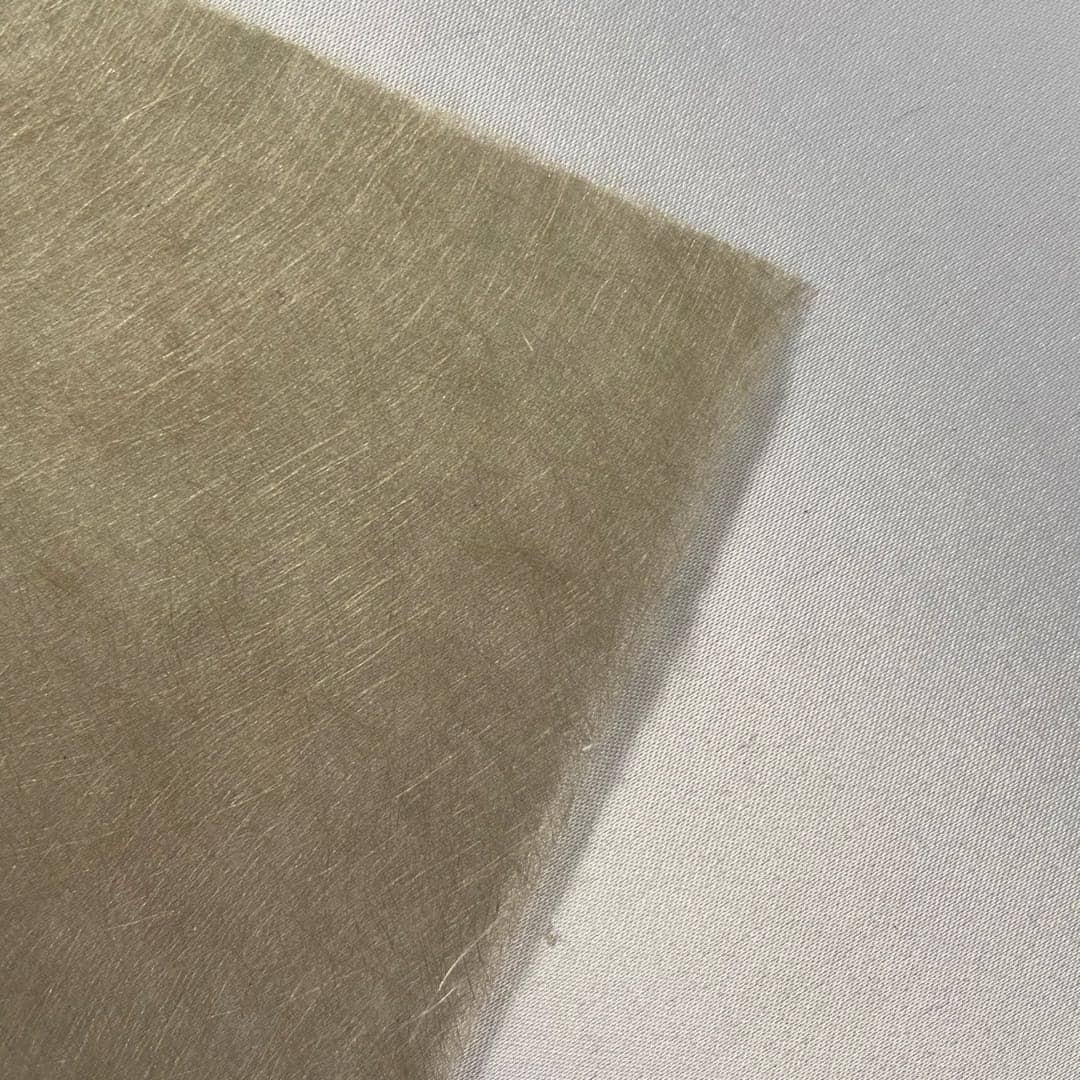
30g/m² basalt fiber mat with excellent high-temperature resistance and chemical stability. Natural volcanic rock-based fiber for demanding environments.
Available on request
Not a stocked catalog item. We supply it on request: send your specification and target quantity, and we will confirm availability, MOQ, and lead time.
Key Features
- Natural volcanic rock fiber
- High temperature resistant
- Chemical stability
- Eco-friendly material
Specifications
| Parameter | Value |
|---|---|
| Weight | 30 g/m² |
| Material | Basalt Fiber |
| Temperature | Up to 700°C |
| Application | High-temp Insulation |
Overview
Basalt fiber mat is a 30g/m² veil made from fibers spun from melted volcanic basalt rock, offering excellent high-temperature resistance and chemical stability. Basalt fiber withstands continuous service up to around 700°C, well beyond ordinary glass fiber, which makes the mat valuable for high-temperature insulation and fire-protection applications.
Beyond its thermal performance, basalt fiber resists acids, alkalis, and many aggressive chemicals, so the mat is used where corrosion resistance and durability matter, such as filtration and chemical-exposed components. As a naturally derived material with no added chemicals in its base composition, it is also regarded as an environmentally friendly reinforcement.
At 30g/m² the mat provides a thin, conformable layer suited to surfacing, insulation, and filtration roles. It combines the handling familiarity of a glass veil with the elevated temperature and chemical performance of basalt fiber.
Applications
Frequently Asked Questions
What temperature can basalt fiber mat withstand?
Basalt fiber offers excellent high-temperature resistance, with continuous service capability up to around 700°C, well beyond ordinary E-glass.
How does basalt mat compare to glass fiber mat?
Basalt fiber provides higher temperature resistance and strong chemical stability against acids and alkalis, while being handled much like a glass veil. It is also considered an eco-friendly, naturally derived material.
What applications use basalt fiber mat?
It is used in high-temperature insulation, chemical-resistant components, and filtration, where its thermal and chemical durability are advantageous.
Related Guides
Basalt Fiber Mat for Composites: Selection & Validation Guide
Evaluate basalt fiber mat by format, areal weight, binder or sizing, resin, process, supplier evidence, and a controlled laminate trial.
Basalt Fiber vs Fiberglass: A Practical Selection Guide
Compare basalt fiber and fiberglass by reinforcement format, supplier data, resin compatibility, process validation, sourcing, and RFQ requirements.
Reinforcement Sizing and Resin Compatibility: A Buyer's Guide
Why fiberglass sizing and chopped strand mat binders must match your resin system, how epoxy and polyester differ, and what to confirm on a data sheet before ordering.