
Carbon Fiber Fabric Specification Guide for Buyers
Learn how to specify carbon fiber fabric by fiber grade, tow, weave, GSM, width, sizing, resin process, inspection, packaging, and required documents.
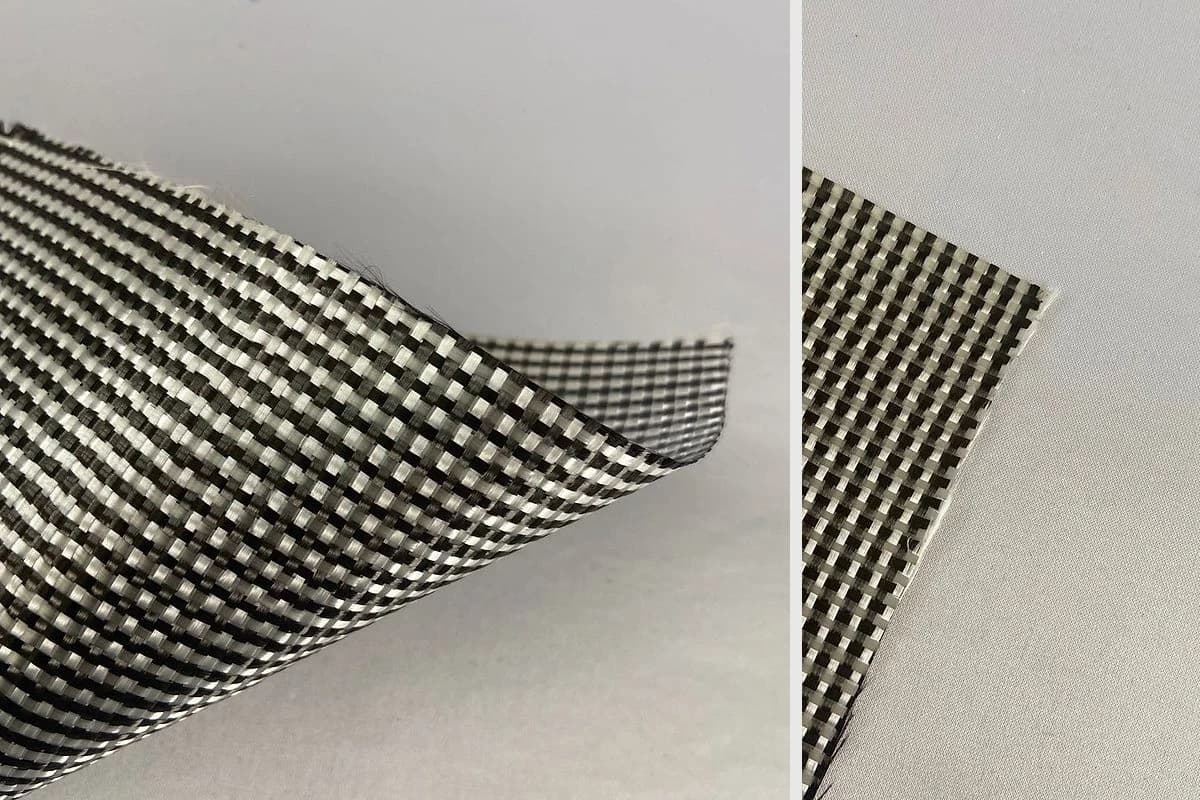
“Carbon fiber fabric” is not a complete purchase specification. Two fabrics can share a similar appearance while differing in fiber grade, tow size, weave, areal weight, width, sizing, roll construction, and suitability for a given resin process. If these fields are missing, suppliers must guess, and quotations may not describe comparable products.
This guide turns a general request into a reviewable specification. It is intended for dry woven reinforcement. Prepreg, unidirectional tape, braided products, and multiaxial non-crimp fabrics need additional fields.
The Minimum Specification Stack
| Field | What to state | Why it matters |
|---|---|---|
| Fiber | Grade or required property basis; approved source if applicable | Defines the reinforcement input and comparison basis |
| Tow | Filament count such as 3K, 6K, or 12K when required | Changes yarn size, pattern scale, handling, and fabric construction |
| Weave | Plain, 2x2 twill, satin, or another defined construction | Affects stability, drape, surface pattern, and crimp |
| Areal weight | Nominal g/m² plus tolerance if controlled | Defines fiber mass per area; it is not cured thickness |
| Width | Usable width and allowed tolerance | Determines nesting, seams, cutting yield, and equipment fit |
| Sizing / surface | Resin compatibility or approved sizing reference | Influences handling and fiber-matrix interface |
| Process | Hand lay-up, infusion, prepreg conversion, pressing, or other | Lets the supplier check handling and process fit |
| Resin | Resin family and any known restrictions | Helps screen sizing, binder, and wet-out compatibility |
| Appearance | Face, weave alignment, color, contamination, and defect limits | Converts “cosmetic grade” into inspectable criteria |
| Roll and packaging | Roll length or mass, core, splice rule, labeling, moisture protection | Prevents receiving and production surprises |
| Documents | TDS, lot data, certificate, traceability, or test report as required | Aligns the quote with quality and compliance needs |
Not every project must control every field tightly. The point is to mark each field as required, preferred, open to supplier proposal, or not applicable.
1. Define the Fiber Without Over-Specifying It
If an engineering drawing requires a specific grade, write it. If the requirement is performance-based, state the property, test method, and acceptance basis instead of copying a brand name without context. Also clarify whether an equivalent grade can be proposed and what evidence is needed to review equivalence.
The current product catalog identifies carbon fiber twill cloth and plain cloth as 200 g/m² T300 products. That is enough to identify a catalog starting point, but an application approval still needs the current product data and the project's own laminate validation.
2. State Tow Size When It Is a Real Requirement
Tow notation describes the approximate filament count in a carbon bundle: 3K means about 3,000 filaments, 6K about 6,000, and 12K about 12,000. Buyers commonly use tow size to control the visual scale and construction of woven cloth, but tow alone does not define finished fabric performance.
Specify tow when it affects appearance, weave geometry, handling, downstream equipment, or an approved design. Otherwise, allow the supplier to identify the tow used in the proposed construction and evaluate the complete fabric data.
3. Choose Weave by Geometry and Handling
Plain weave interlaces each direction frequently, which generally gives a stable fabric. A 2x2 twill has a diagonal pattern and can conform more readily to some curved surfaces. The right selection depends on tool geometry, cut-piece size, handling, cosmetic needs, and the laminate schedule.
Use a process trial rather than assuming a weave will drape around every compound curve. The existing twill versus plain weave guide provides a more detailed handling comparison, but its general guidance does not replace a trial on the actual tool.
4. Do Not Confuse GSM with Thickness
Areal weight reports fiber mass per unit area. Cured laminate thickness also depends on fiber density, weave, resin content, compaction, voids, and the number of plies. A request for “200 GSM, 1 mm thick” is incomplete unless it explains whether 1 mm refers to one dry ply, a cured laminate, or a finished part.
For purchasing, state the nominal GSM and its allowed tolerance. For laminate engineering, separately define ply count, cured thickness target, fiber volume or resin-content control if used, and the test method. If you also work in ounces per square yard, the fiberglass fabric weight guide covers GSM↔oz/yd² conversion and what areal weight does not specify.
5. Specify Usable Width and Roll Construction
State the minimum usable width rather than only the loom or nominal width. Include edge treatment, allowable edge distortion, core size, roll length or roll mass, maximum outer diameter if equipment has a limit, and whether splices are permitted. If automated cutting is planned, provide the nesting width and any orientation constraints.
These details often decide whether a lower unit price is actually usable in production.
6. Match Sizing, Resin, and Process
Tell the supplier the resin family and production method. If a specific sizing is already approved, identify it. If not, ask the supplier to state the sizing and its intended resin compatibility. Do not describe a dry woven cloth as “compatible with every resin” without supporting data for the proposed combination.
Useful process details include:
- open or closed mold;
- hand placement or automated handling;
- infusion path and expected flow direction;
- room-temperature or heated processing;
- whether the fabric will be converted to prepreg;
- surface finish and porosity acceptance.
7. Turn Appearance into Acceptance Criteria
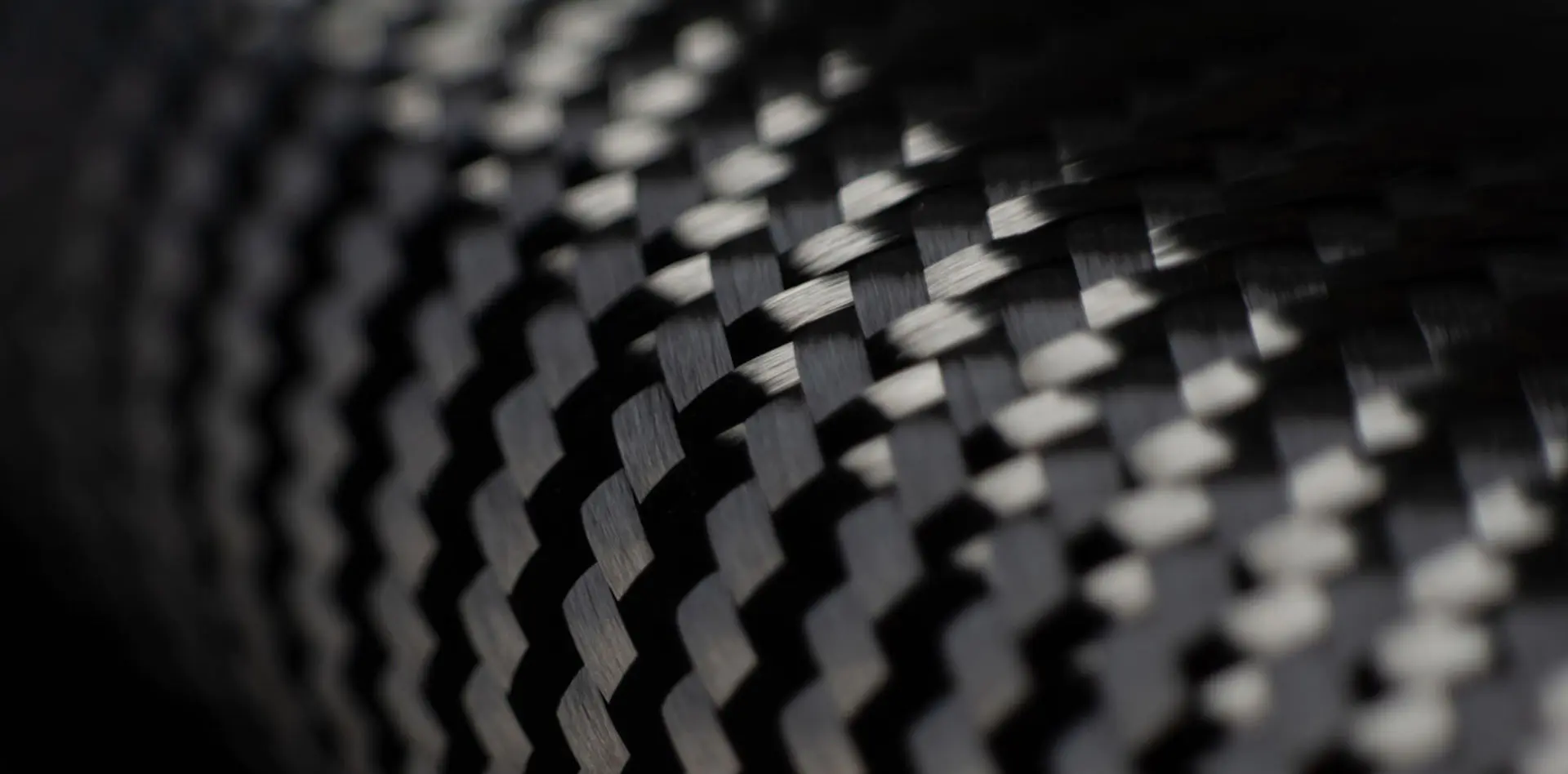
For visible carbon parts, “good appearance” is too subjective. Define which face is inspected, pattern alignment, maximum bow or skew, allowable gaps, broken tows, fuzz, contamination, discoloration, edge condition, and how much of a roll may contain marked defects. If color matching matters, approve a physical limit sample under a defined light source.
For internal structural plies, cosmetic limits may be unnecessary, but contamination, damage, width, mass, and traceability can still matter.
8. List Documents Before the Quote
Required documentation changes price, lead time, and supplier qualification effort, so put it in the RFQ. Possible items include a technical data sheet, safety data where applicable, certificate of analysis or conformity, lot traceability, test reports, restricted-substance declaration, packing list fields, and country-of-origin information.
Ask only for documents that the project will review. A long generic list can create cost without improving control.
Copy-and-Use Fabric Specification
Product: dry woven carbon fiber fabric
Application / part:
Fiber grade or property basis:
Equivalent grades allowed: yes / no / subject to review
Tow size:
Weave:
Nominal areal weight and tolerance:
Minimum usable width and tolerance:
Sizing / approved resin compatibility:
Resin system:
Manufacturing process:
Cosmetic face and defect limits:
Roll length or mass, core and splice rule:
Annual / trial quantity and order unit:
Packaging and label fields:
Required quality and compliance documents:
Sample or first-article approval plan:
Delivery destination and requested date:
Quote Review Checklist
Before comparing prices, confirm that every proposal states the same unit, usable width, weight tolerance, roll basis, packaging, document scope, and delivery term. Flag every supplier exception. If one quote leaves tow, sizing, tolerance, or splice policy blank, it is not yet directly comparable with a fully defined offer.
Use the broader carbon fiber versus fiberglass selection guide if the reinforcement family is still open. When the fabric choice is established, move the completed fields into the composite reinforcement RFQ checklist and submit them through the contact page.
If tow count is still an open field, use the 3K, 6K, and 12K carbon fiber tow guide before comparing supplier offers.
Related Guides
Frequently Asked Questions
Often yes, but only if the RFQ states whether equivalents are allowed and what evidence is needed to review one. Ask the supplier to submit the property basis, test method, and supporting data for the proposed equivalent rather than a brand name alone, so the comparison stays on the same footing as the specified grade.
Request the technical data sheet and any lot-specific test data tied to the nominal areal weight and tolerance you specified. Where mechanical properties are part of the requirement, ask which test method was used and confirm it follows a recognized method, such as those published as [ASTM International standards](https://www.astm.org), so the reported values are comparable across suppliers.
Quotes for fabric that looks similar can still differ because of unstated differences in usable width, weight tolerance, roll length or splice policy, cosmetic acceptance, and required documents. Until every quote states these fields on the same basis, the price difference may reflect scope differences rather than a true cost gap.

Author
ZeYuSen Fiber Technical Team
Focused on fiberglass mats and veils, carbon fiber mats, and desiccant rotor forming paper for industrial material selection and process evaluation.
Need help choosing a material?
Send your application, process, and target specifications. ZeYuSen Fiber can help evaluate carbon fiber mats, fiberglass mats and veils, or desiccant rotor forming paper.
Contact ZeYuSen FiberOn this page
- The Minimum Specification Stack
- 1. Define the Fiber Without Over-Specifying It
- 2. State Tow Size When It Is a Real Requirement
- 3. Choose Weave by Geometry and Handling
- 4. Do Not Confuse GSM with Thickness
- 5. Specify Usable Width and Roll Construction
- 6. Match Sizing, Resin, and Process
- 7. Turn Appearance into Acceptance Criteria
- 8. List Documents Before the Quote
- Copy-and-Use Fabric Specification
- Quote Review Checklist