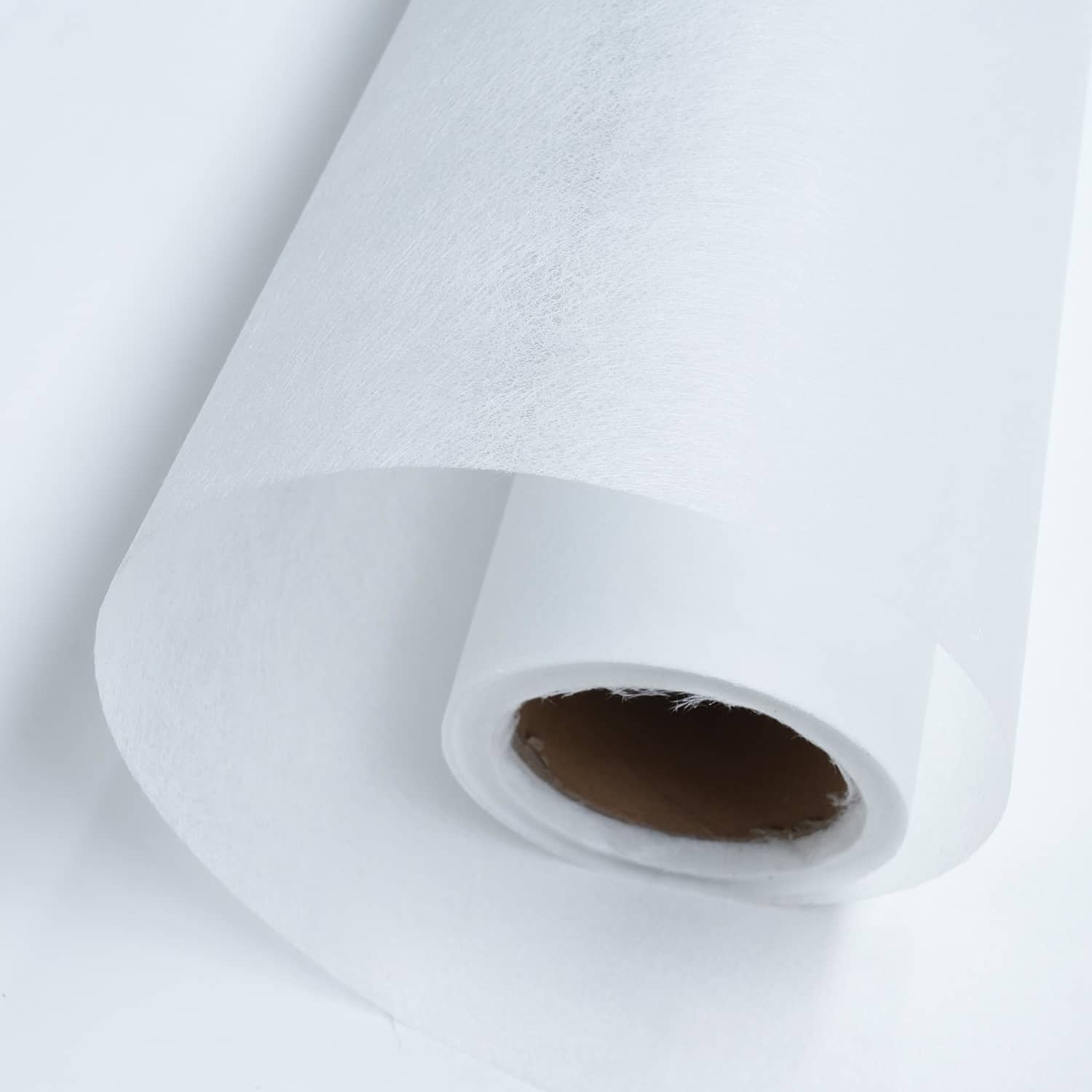
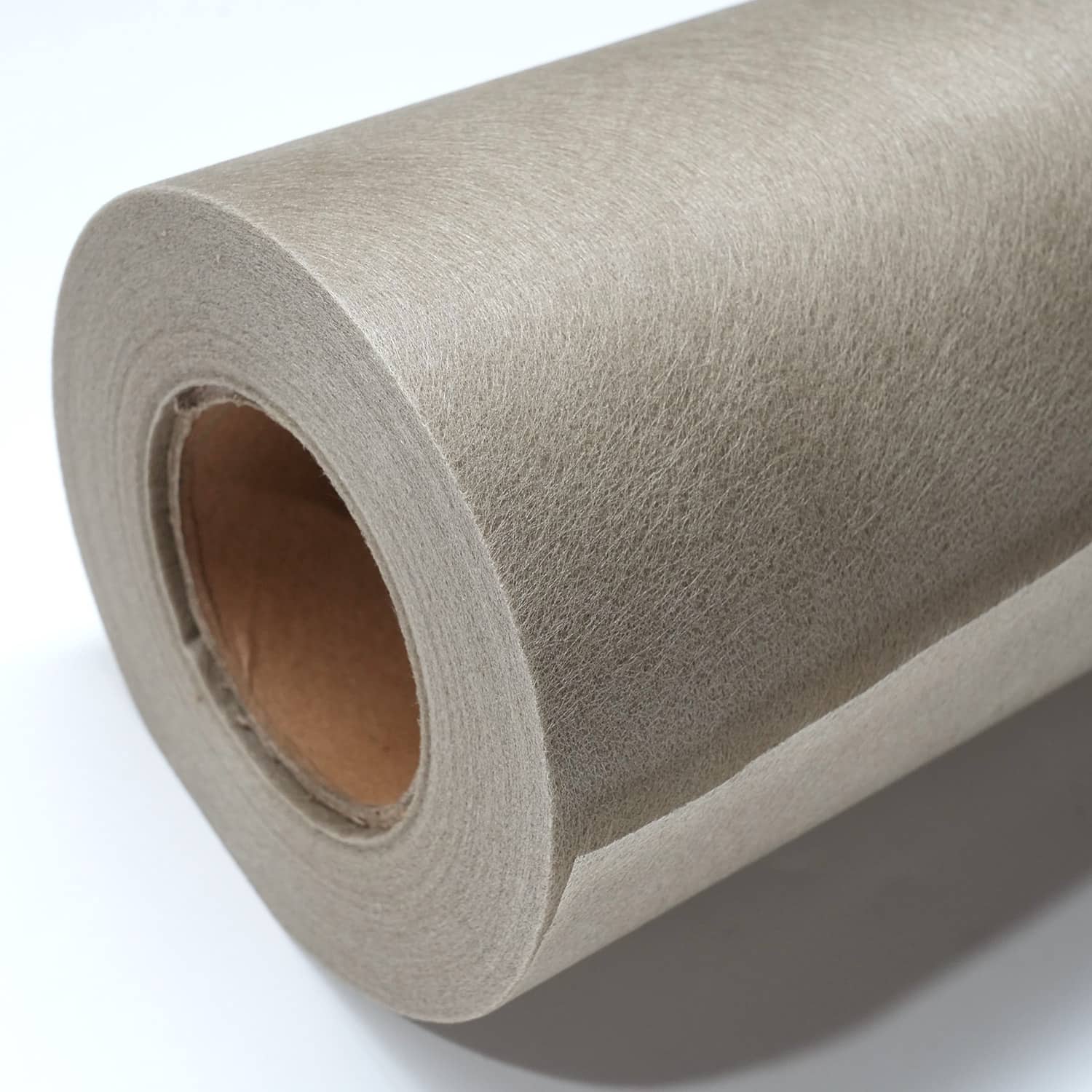
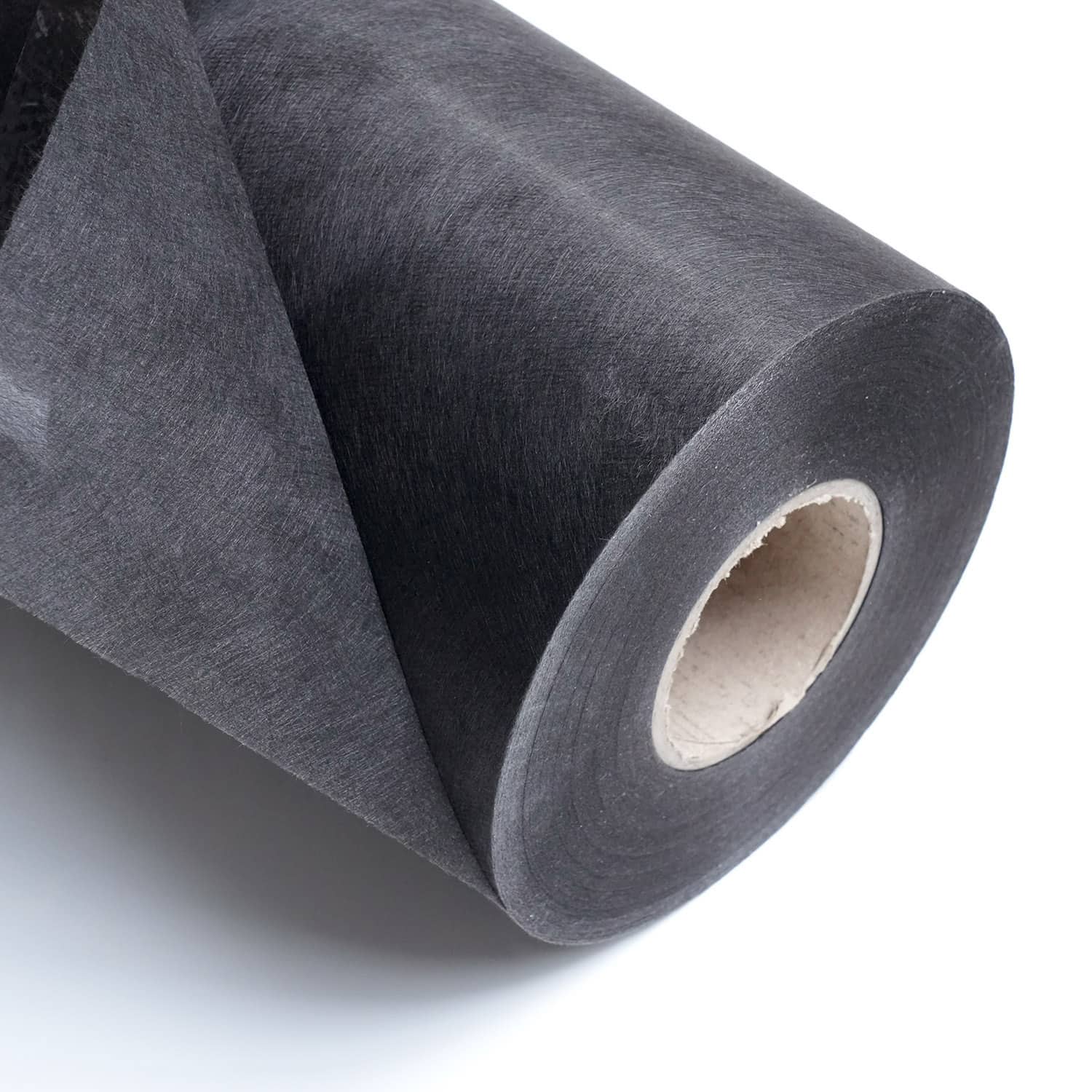
Fiberglass Wall Covering Mat
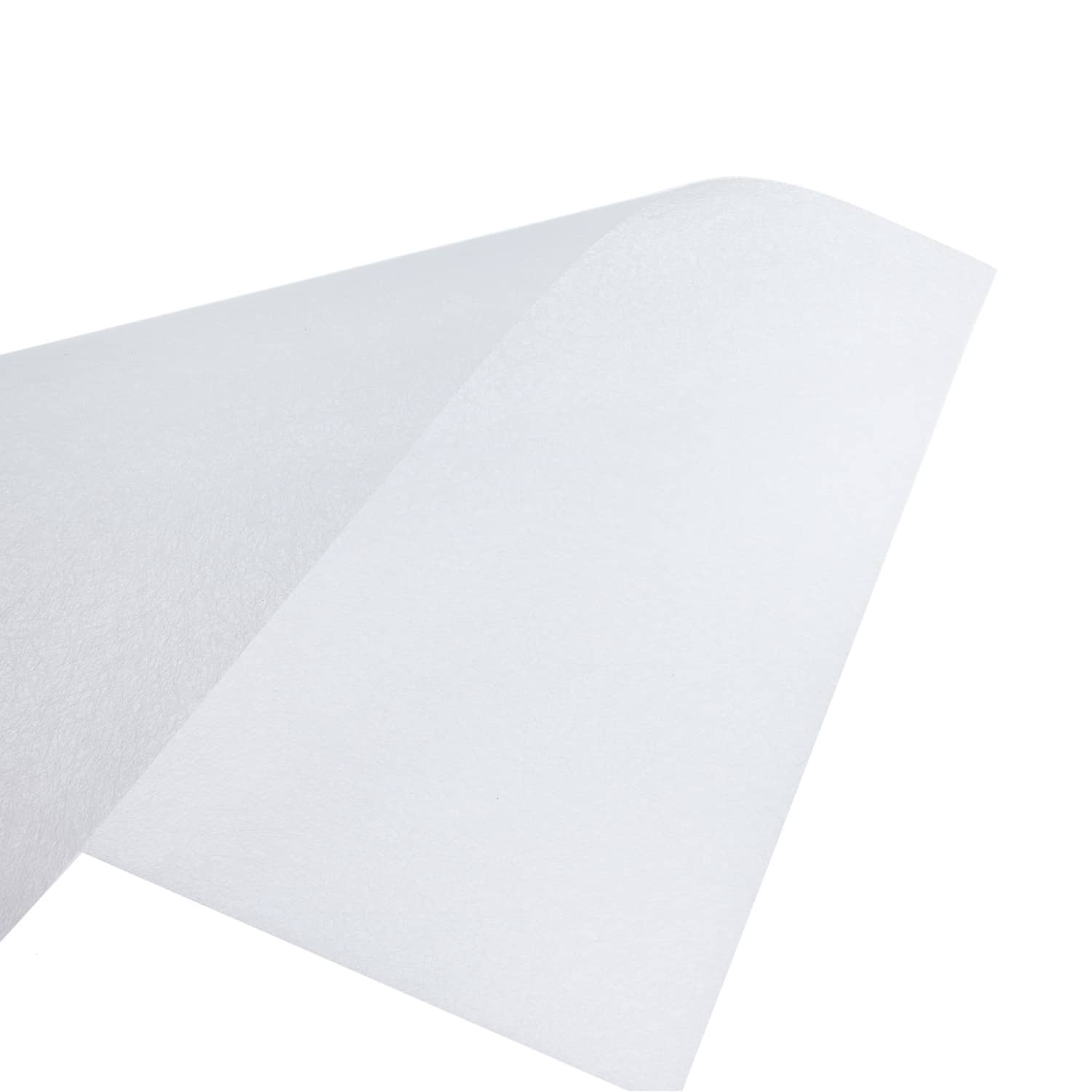
Fiberglass tissue mat designed for wall covering applications, providing smooth surface finish and dimensional stability for interior wall decoration.
Key Features
- Smooth surface
- Dimensional stability
- Good adhesion with coatings
- Crack resistance
Specifications
| Parameter | Value |
|---|---|
| Weight Range | 50g - 75g/m² |
| Process | Wet-laid |
| Function | Wall Reinforcement |
| Application | Interior Decoration |
Overview
Fiberglass wall covering mat is a wet-laid tissue designed for interior wall decoration, where it provides a smooth, dimensionally stable surface and reinforces against cracking. Applied to walls and ceilings before painting or coating, the mat bridges minor substrate movement and prevents hairline cracks from telegraphing through the finished surface.
Produced in weights from 50g to 75g/m², the covering offers good adhesion with coatings and a uniform texture that accepts paint evenly. Its dimensional stability keeps the surface flat and tight over time, while the glass reinforcement adds durability and crack resistance compared with paper-based wall coverings.
The mat is used in interior wall covering, decorative wall systems, and crack-prevention applications in both residential and commercial interiors. It bonds with standard wall adhesives and coating systems, making installation straightforward.
Applications
Frequently Asked Questions
How does wall covering mat prevent cracks?
The glass fiber reinforcement bridges minor substrate movement and distributes stress, preventing hairline cracks from showing through the painted or coated surface.
What weights are available for wall covering?
It is produced in weights from 50g to 75g/m², which balance surface smoothness with reinforcement for interior wall applications.
Does the mat accept paint and coatings well?
Yes. Its uniform texture provides good adhesion with coatings and accepts paint evenly, producing a smooth, durable decorative finish.
Related Guides
Fiberglass Surface Tissue: Selection & Corrosion Barrier Guide
Choose fiberglass surface tissue by laminate role, glass type, areal weight, binder, resin, roll format, and a practical validation plan.
Composite Laminates: Surface, Structural, and Core Layers
How laminated composite materials stack surface veils, structural reinforcements, and core into one laminate, and what to specify for each layer in an RFQ.