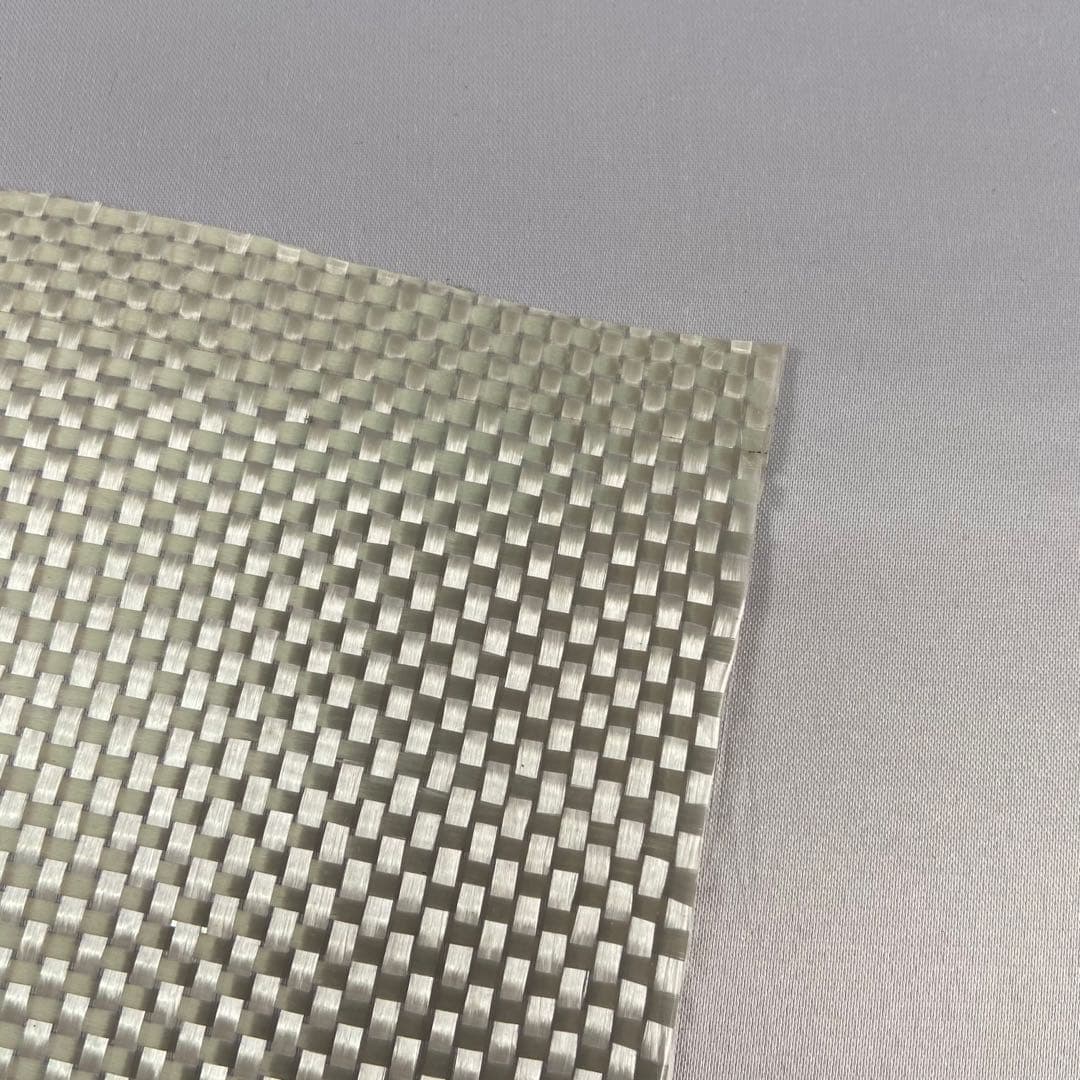
Woven Roving
400g/m² woven roving for heavy-duty FRP applications. Provides high glass content and excellent mechanical properties for thick laminate construction.
Key Features
- Heavy-duty 400g/m²
- High glass content
- Thick laminate construction
- Excellent wet-out
Overview
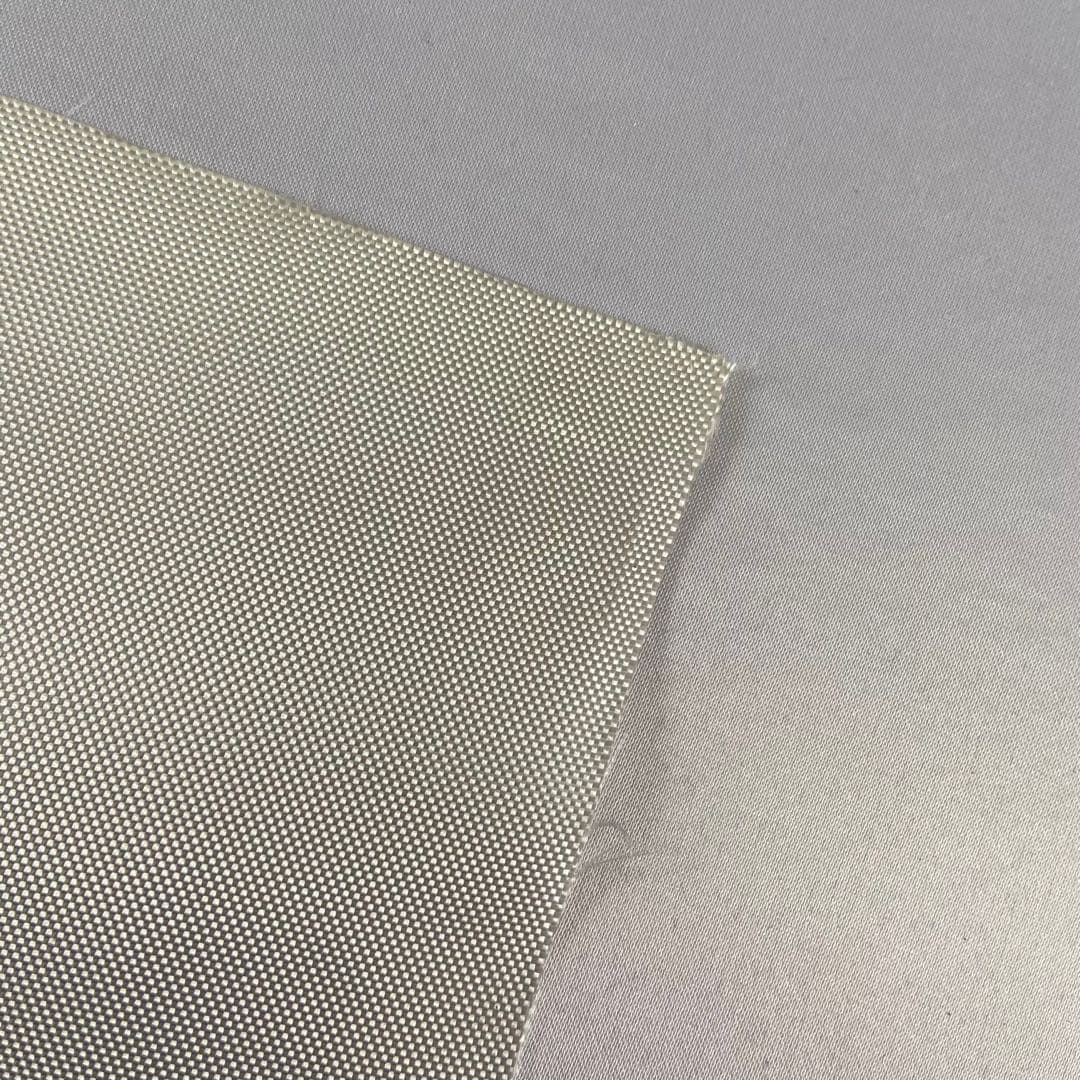
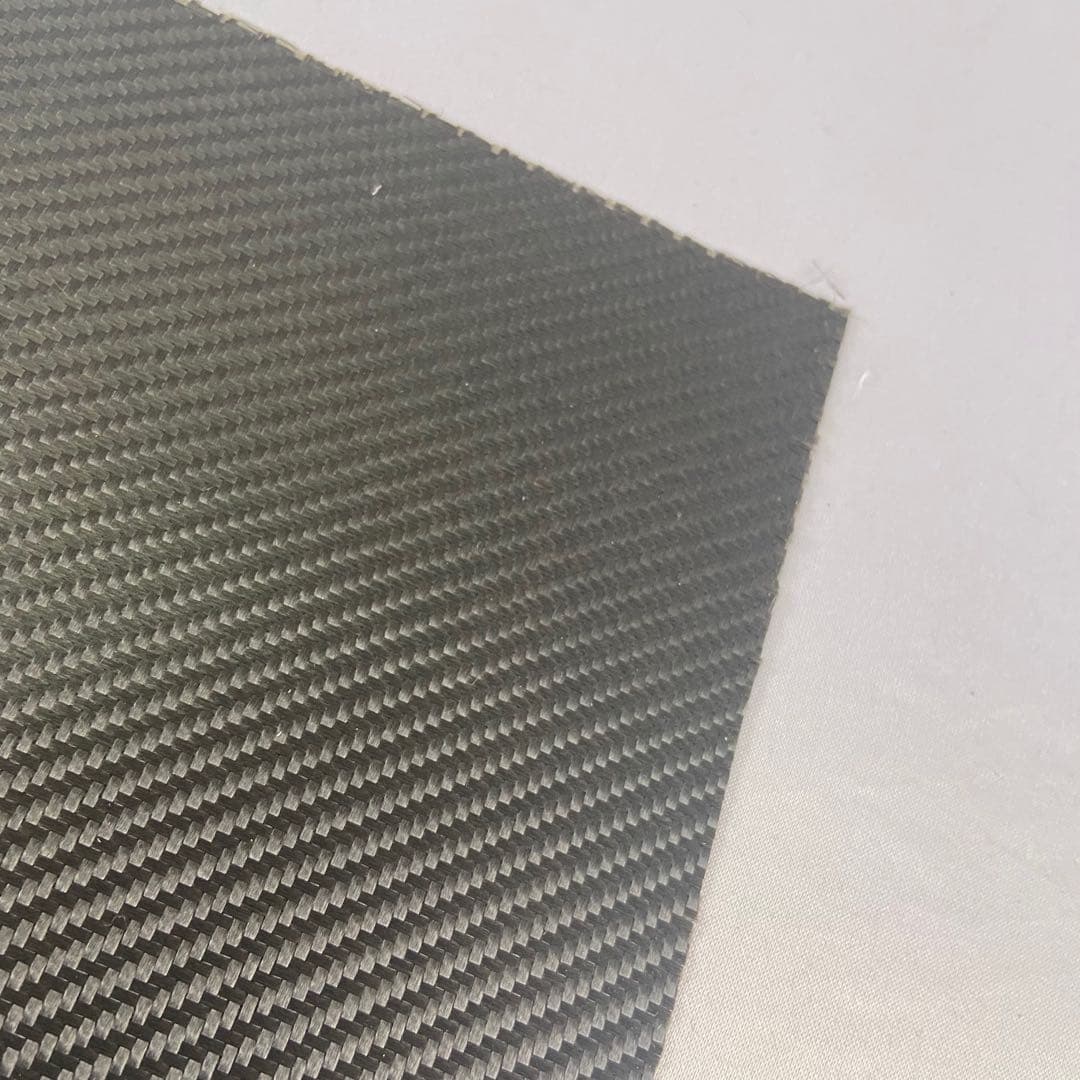
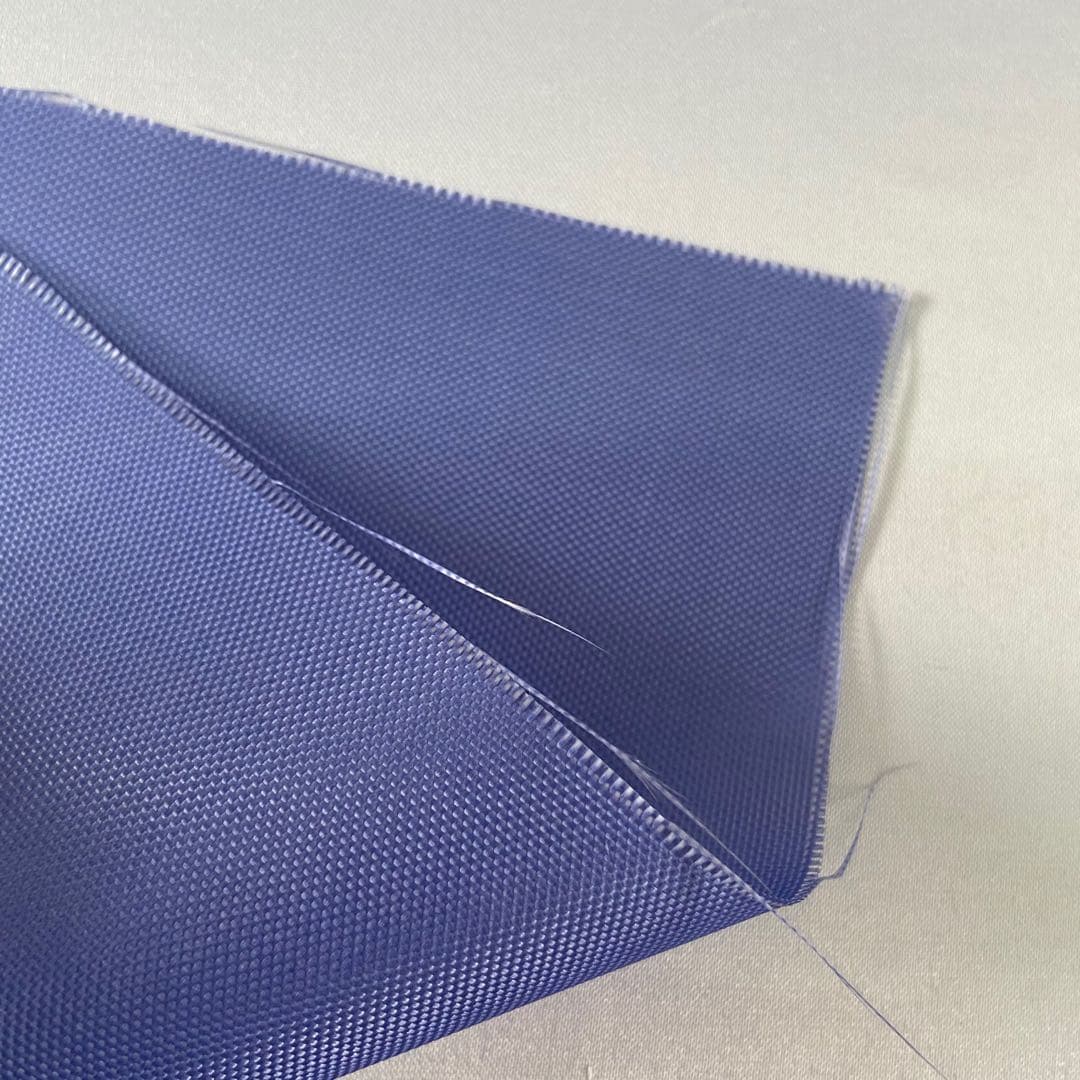
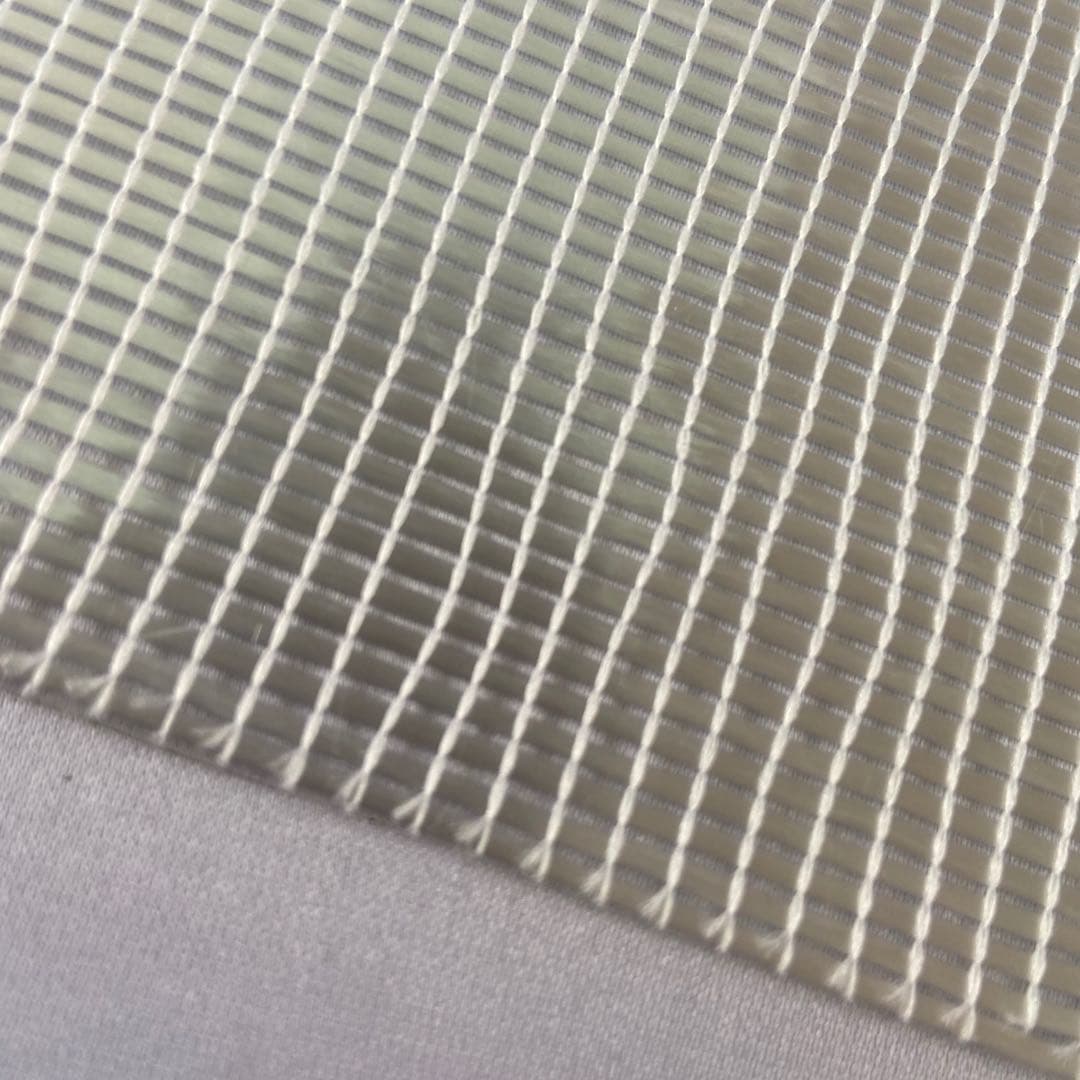
Woven roving is a heavy 400g/m² E-glass fabric woven from continuous roving bundles, used to build up thickness and strength quickly in FRP laminates. Its coarse, high-glass-content weave makes it the workhorse reinforcement for marine hulls, tanks, and other heavy-duty fiberglass structures where rapid laminate build-up is essential.
The large roving bundles deliver high mechanical strength and excellent wet-out, allowing resin to penetrate the open weave fully and bond the layers into a strong, void-free laminate. Woven roving is typically alternated with chopped strand mat in hand lay-up to combine its strength with the mat's interlaminar bonding and surface fill.
At 400g/m² it provides substantial reinforcement per ply, reducing the number of layers needed for thick structures. The fabric is compatible with polyester and vinyl ester resins commonly used in marine and tank construction and suits hand lay-up and spray-up processes.
Specifications
| Parameter | Value |
|---|---|
| Weight | 400 g/m² |
| Weave | Plain (Roving) |
| Composition | E-glass |
| Application | Heavy-duty FRP |
Applications
Frequently Asked Questions
What is woven roving best suited for?
Its heavy 400g/m² weave builds up thickness and strength quickly, making it ideal for marine hulls, tanks, and heavy-duty FRP structures that require thick laminates.
Why is woven roving often used with chopped strand mat?
Alternating woven roving with chopped strand mat combines the roving's high strength with the mat's interlaminar bonding and surface fill, producing a strong, well-consolidated laminate.
Does woven roving wet out easily?
Yes. The open weave allows resin to penetrate fully for excellent wet-out, helping produce a strong, void-free laminate in hand lay-up and spray-up processes.