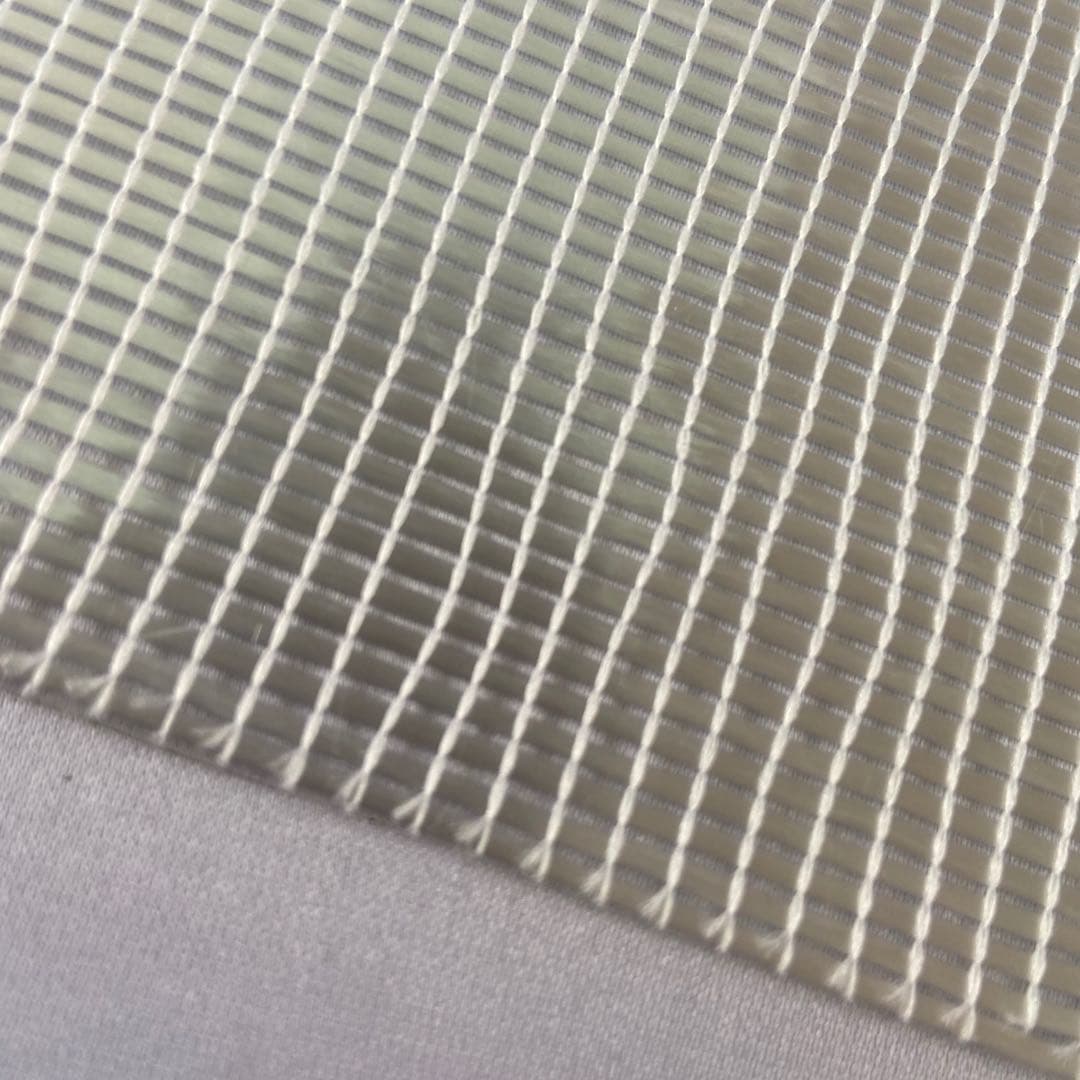
Unidirectional Fiberglass Cloth
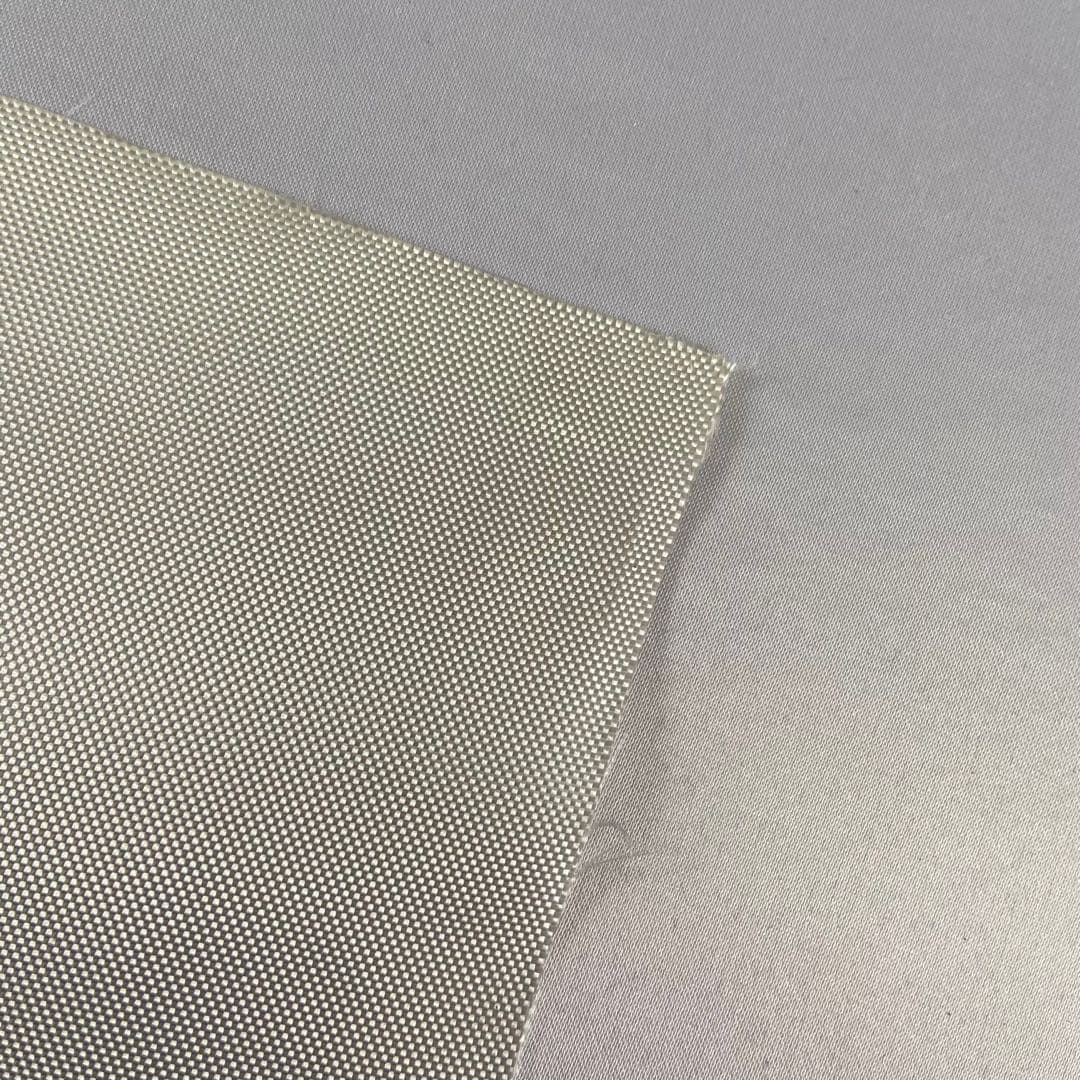
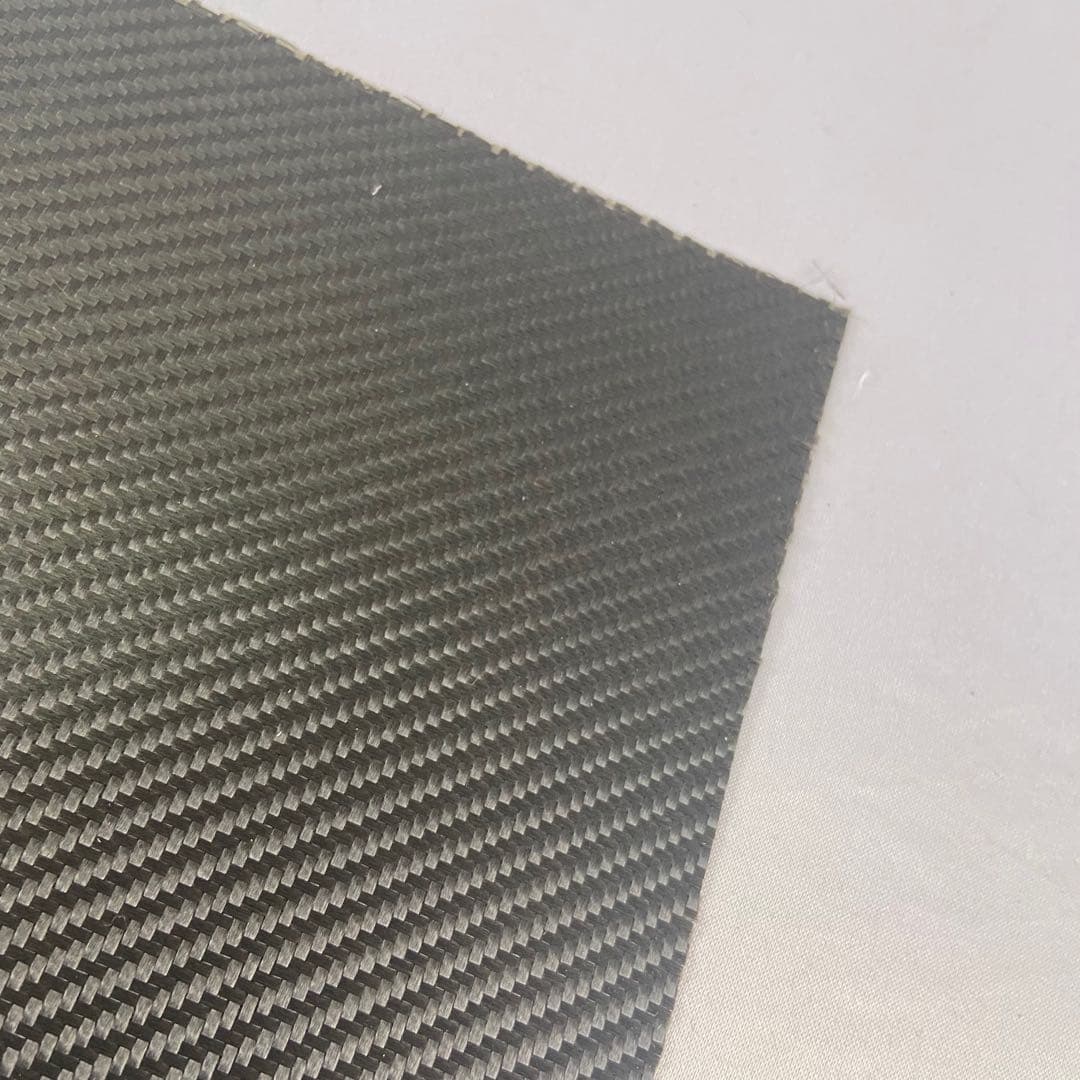
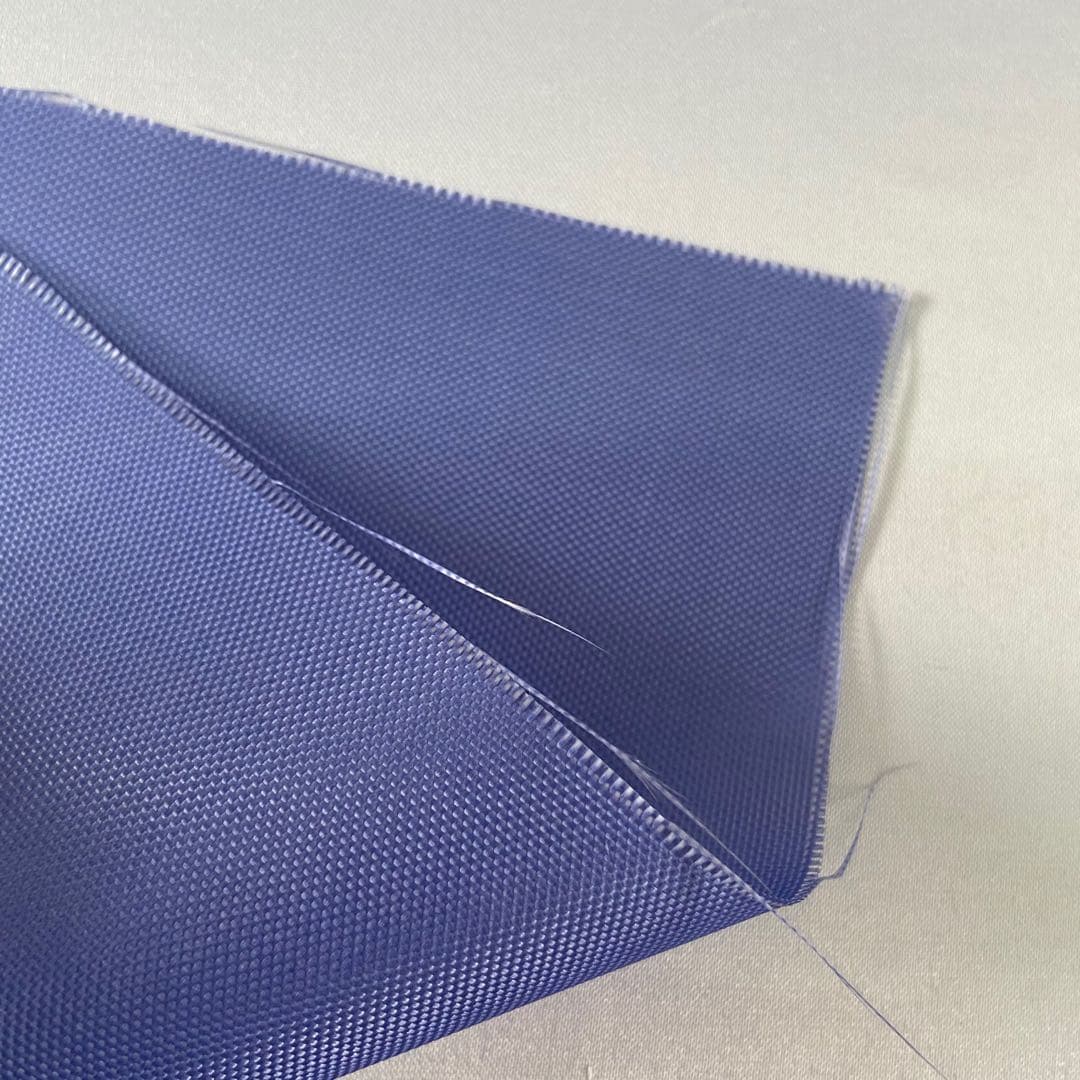
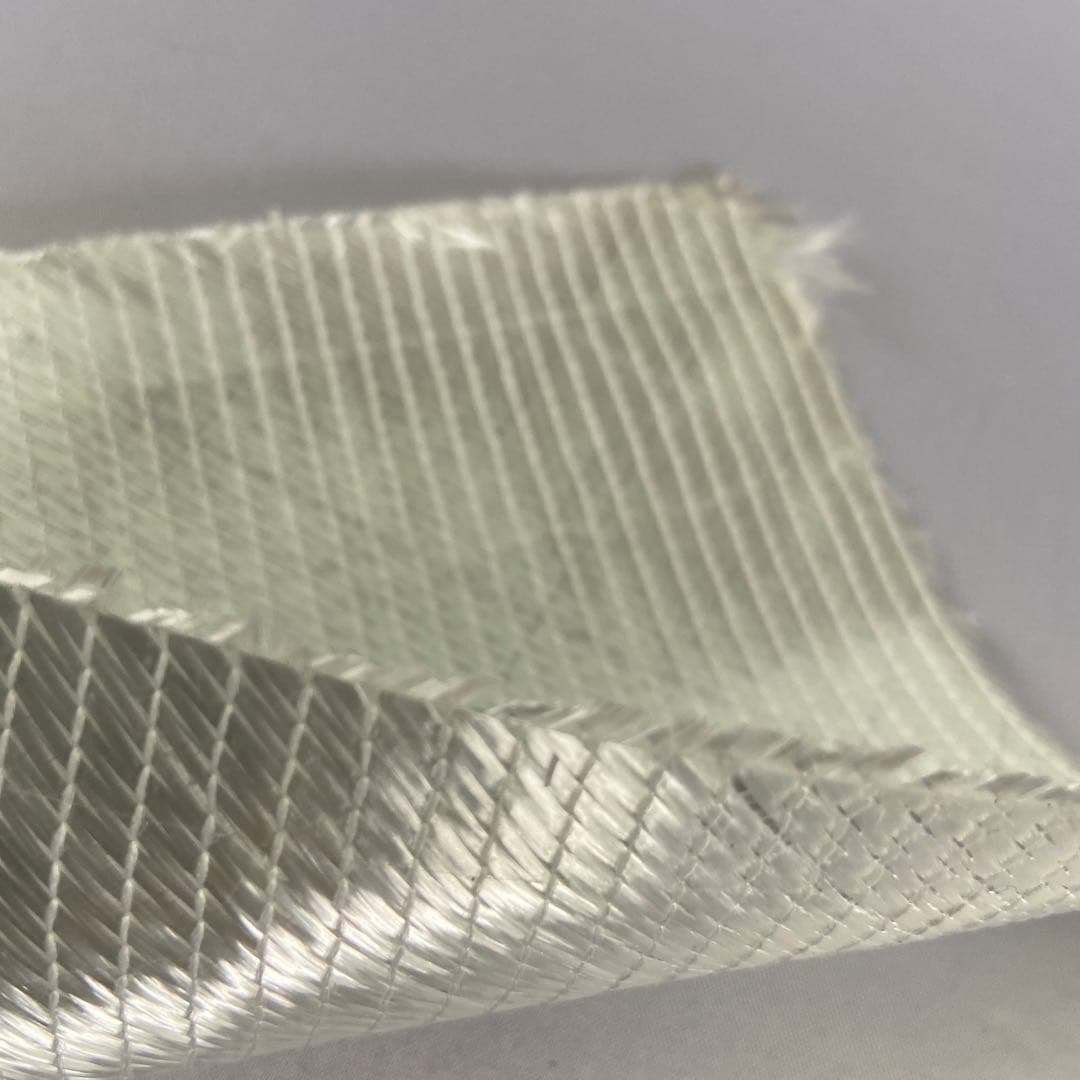
275g/m² unidirectional fiberglass cloth with fibers aligned in one direction for maximum strength along the primary load path. Used in wind energy and FRP.
Key Features
- Unidirectional fiber alignment
- Maximum single-axis strength
- Wind energy grade
- 275g/m² standard weight
Overview
Unidirectional fiberglass cloth aligns the majority of its fibers in a single direction, concentrating strength and stiffness along the primary load path. At 275g/m² in E-glass, alkali-free construction, it is engineered for wind energy and FRP components where loads act predominantly along one axis, such as spar caps and reinforcing strips.
By placing fibers where the load is greatest, unidirectional fabric uses material more efficiently than a balanced weave for single-axis applications, delivering high tensile and flexural strength in the fiber direction. Light stitching or weft yarns hold the unidirectional fibers in place for handling without significantly disturbing their alignment.
The fabric is used in wind turbine blades, structural reinforcements, and any FRP part that needs maximum directional strength. It is compatible with polyester, vinyl ester, and epoxy systems and suits infusion and prepreg processes common in wind energy manufacturing.
Specifications
| Parameter | Value |
|---|---|
| Weight | 275 g/m² |
| Weave | Unidirectional |
| Composition | E-glass, Alkali-free |
| Application | Wind Energy, FRP |
Applications
Frequently Asked Questions
Why use unidirectional cloth instead of woven fabric?
Unidirectional cloth concentrates fibers along one axis, delivering maximum strength and stiffness in that direction and using material more efficiently when loads act predominantly along a single path.
What is the 275g unidirectional cloth used for?
It is used in wind energy components such as blade spar caps and in FRP structural reinforcements where high single-axis strength is required.
How are the unidirectional fibers held together?
Light stitching or weft yarns hold the aligned fibers in place for handling, without significantly disturbing their orientation along the load direction.