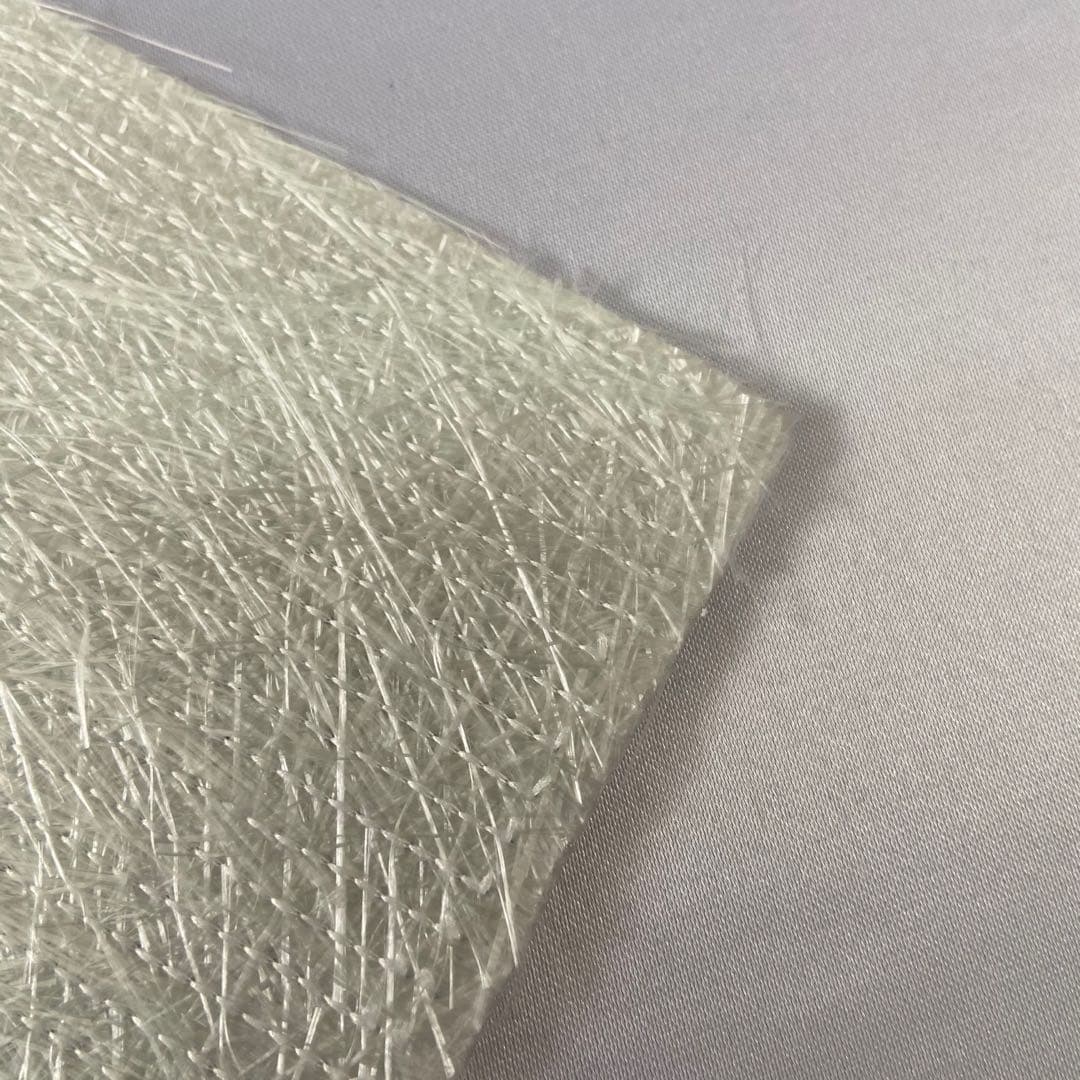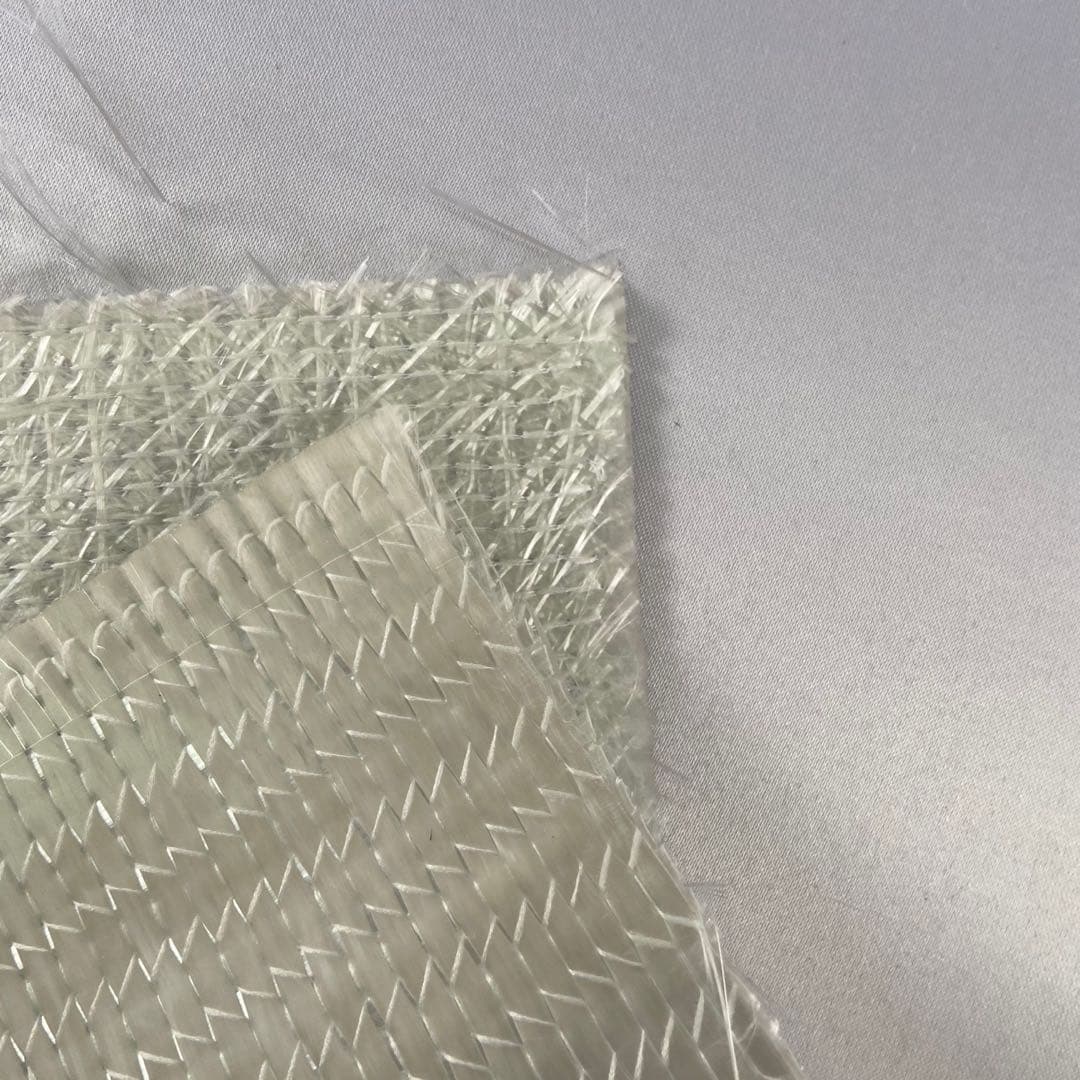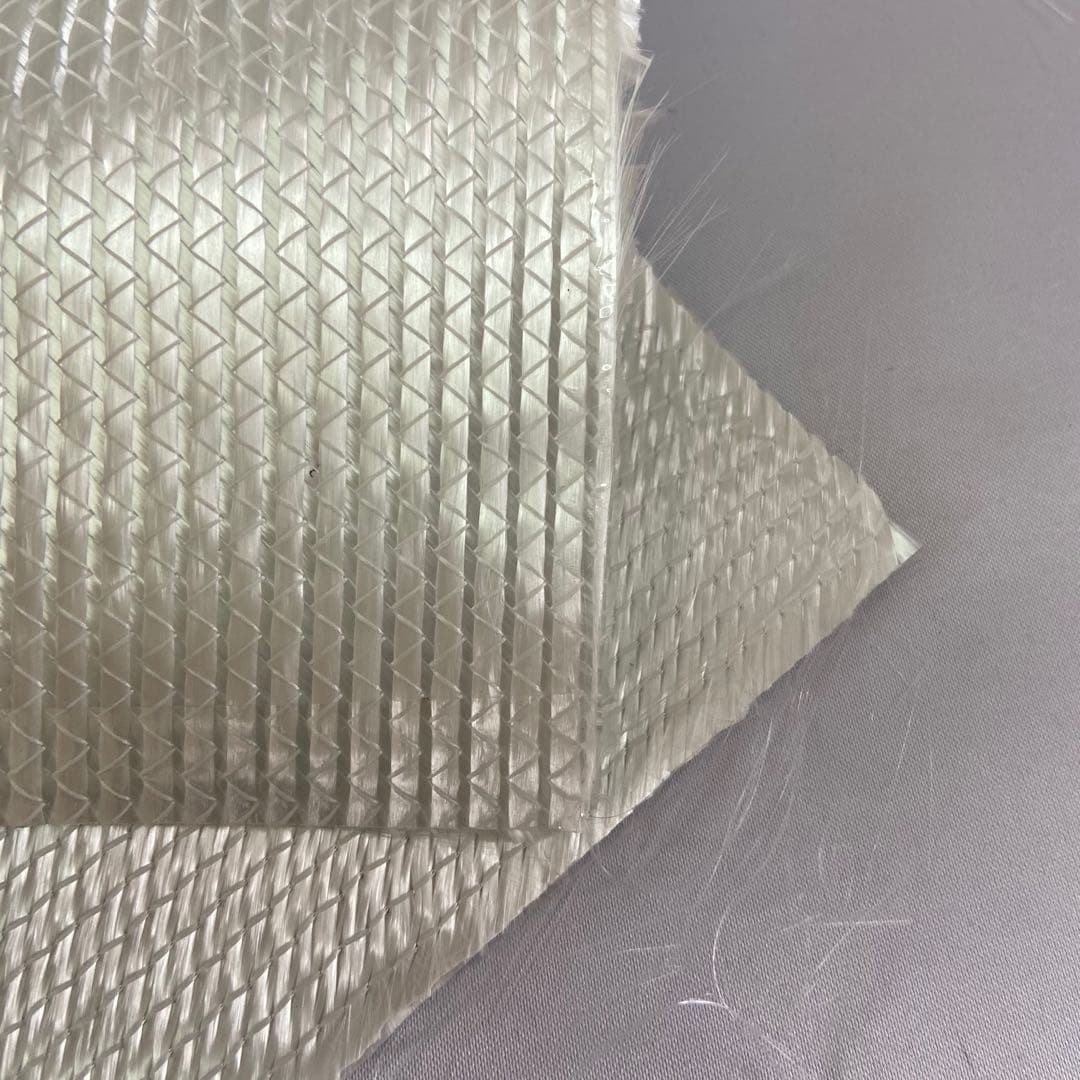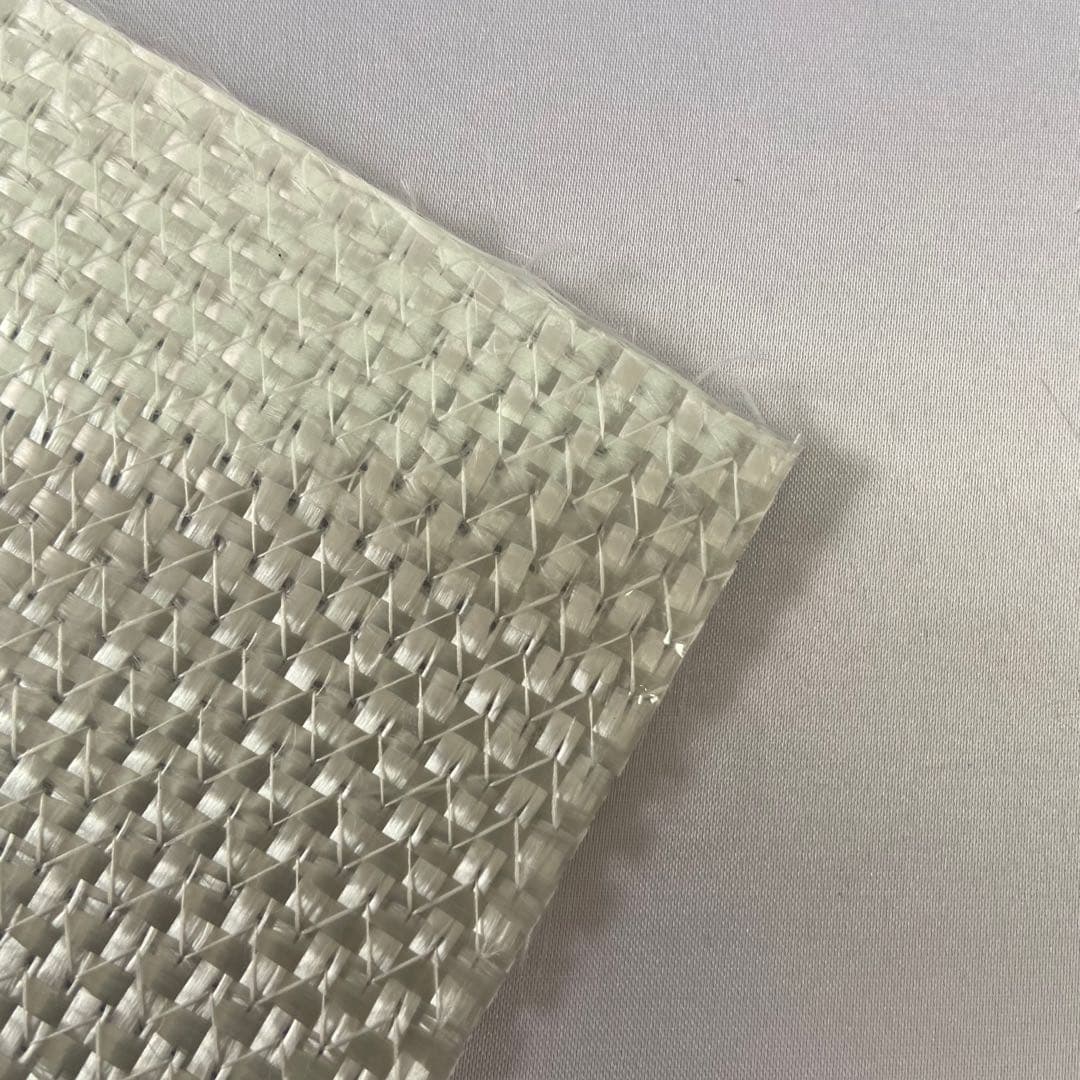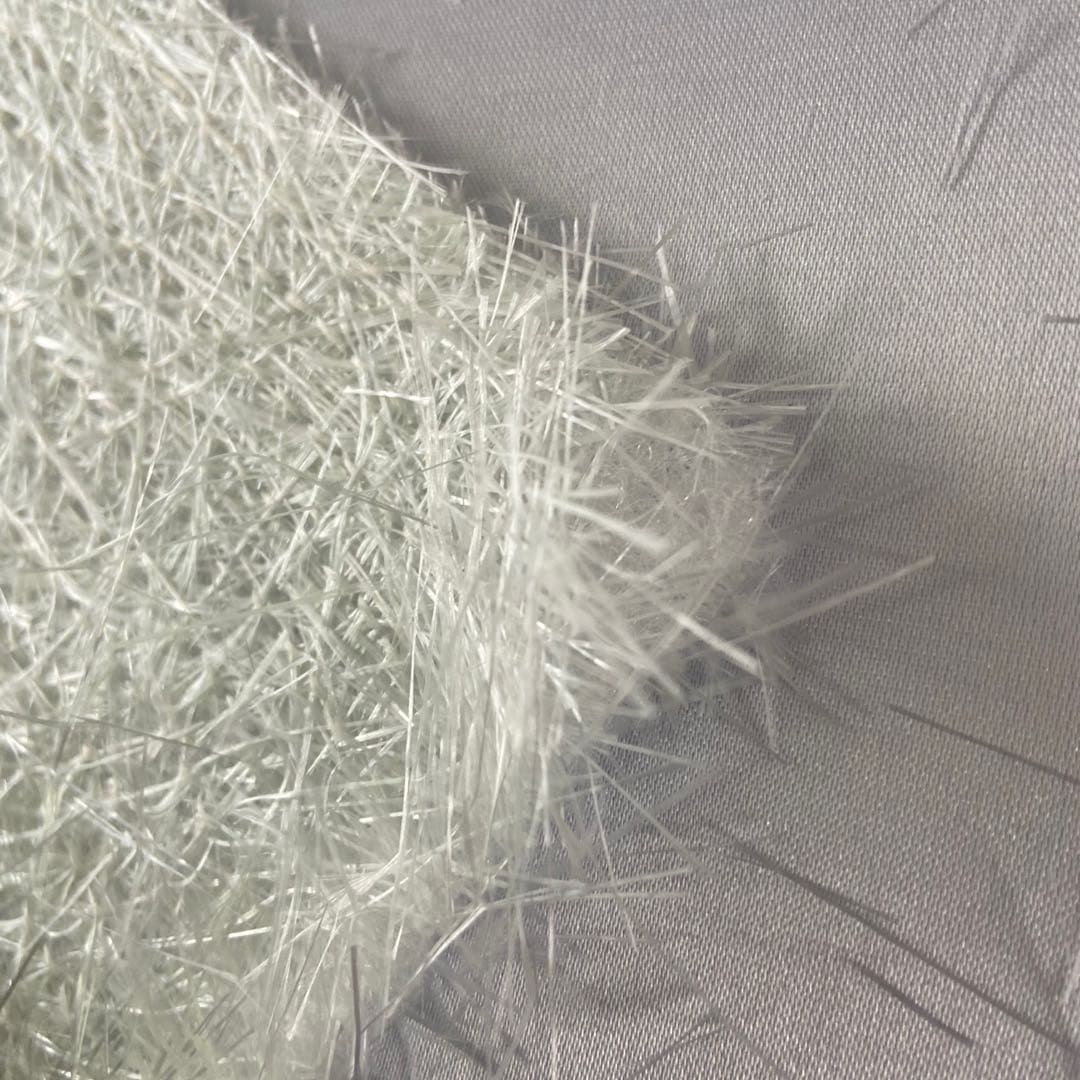
PP Core Sandwich Mat
860g/m² (380+180+300) PP core sandwich mat designed for high-speed rail applications. Three-layer structure provides lightweight strength and thermal insulation.
Key Features
- Three-layer sandwich structure
- PP core for lightweight
- High-speed rail grade
- Thermal insulation
Overview
The PP core sandwich mat is a three-layer composite reinforcement totaling 860g/m² (380 + 180 + 300), built around a polypropylene core sandwiched between glass fiber layers. Designed for high-speed rail applications, the sandwich structure delivers high bending stiffness at low weight, much like a structural I-beam, while the PP core adds thermal insulation.
Placing lightweight core material between two glass skins increases the laminate's thickness and flexural rigidity without a proportional increase in mass, which is exactly what transportation structures need to reduce weight while meeting stiffness targets. The integrated construction also simplifies lay-up, since the core and skins are combined in a single product.
Used in high-speed rail and broader transportation applications, the mat suits infusion and closed-mold processes. The glass skins bond with standard composite resins while the PP core contributes lightweight stiffness and insulation to the finished panel.
Specifications
| Parameter | Value |
|---|---|
| Weight | 860g (380+180+300) |
| Structure | PP Core Sandwich |
| Composition | E-glass + PP |
| Application | High-speed Rail |
Applications
Frequently Asked Questions
How does a PP core sandwich mat reduce weight?
Placing a lightweight polypropylene core between two glass skins increases thickness and bending stiffness without a proportional weight gain, similar to how an I-beam achieves rigidity efficiently.
What does the 860g (380+180+300) construction mean?
It is a three-layer build totaling 860g/m²: a 380g glass layer, a 180g PP core, and a 300g glass layer, combined into a single sandwich reinforcement.
Where is the PP core sandwich mat used?
It is designed for high-speed rail and other transportation applications that need lightweight stiffness and thermal insulation in structural panels.