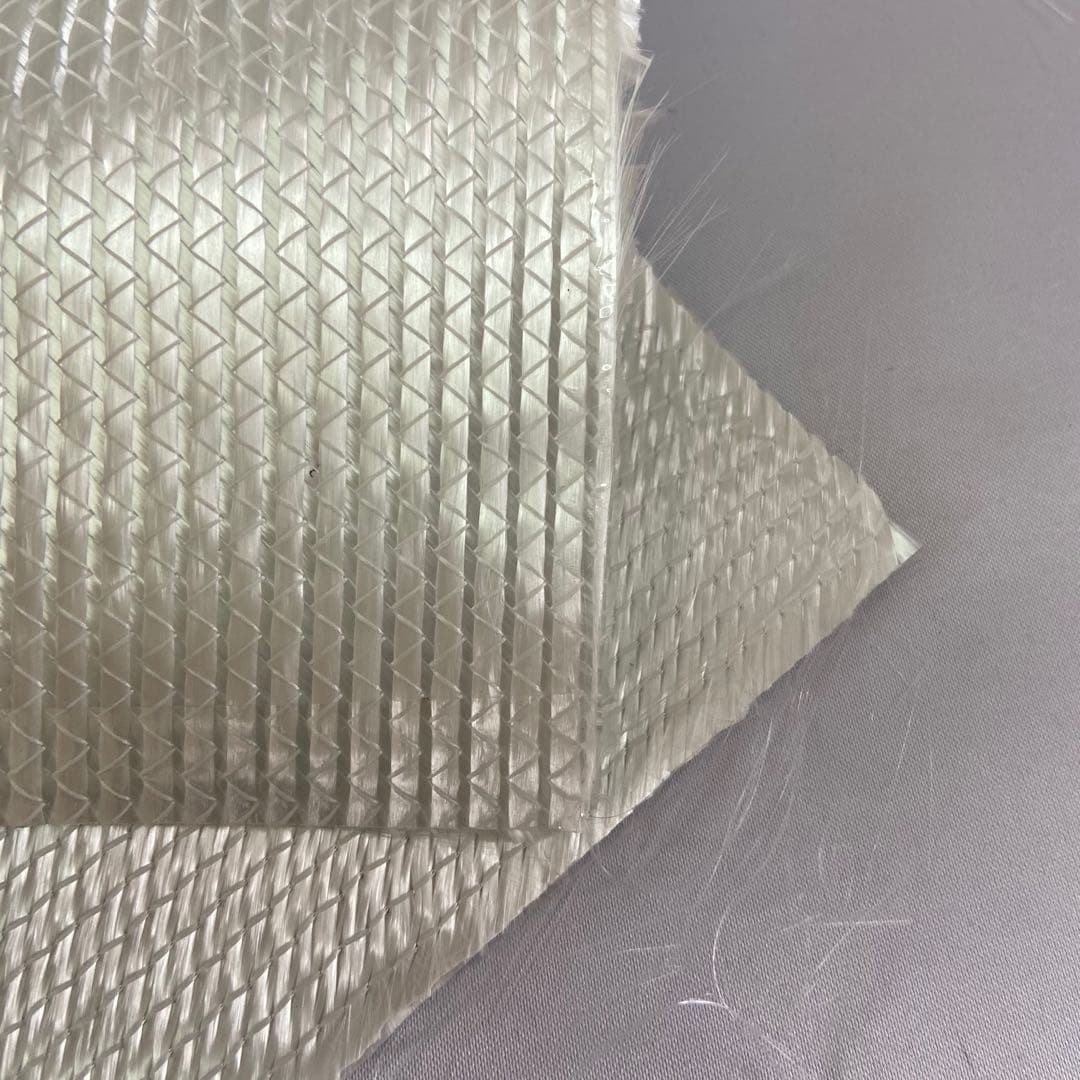
Multiaxial Stitched Mat 1200g
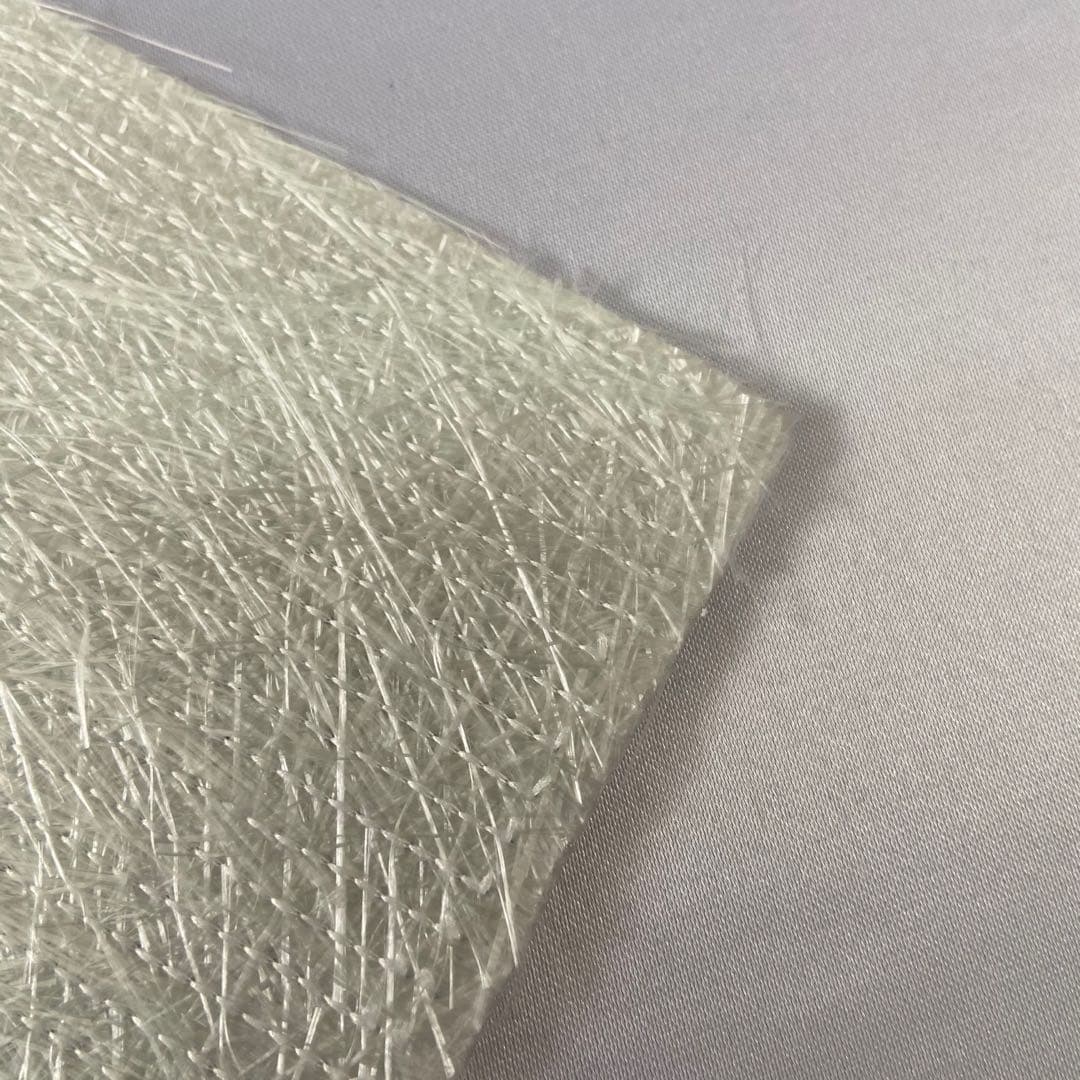
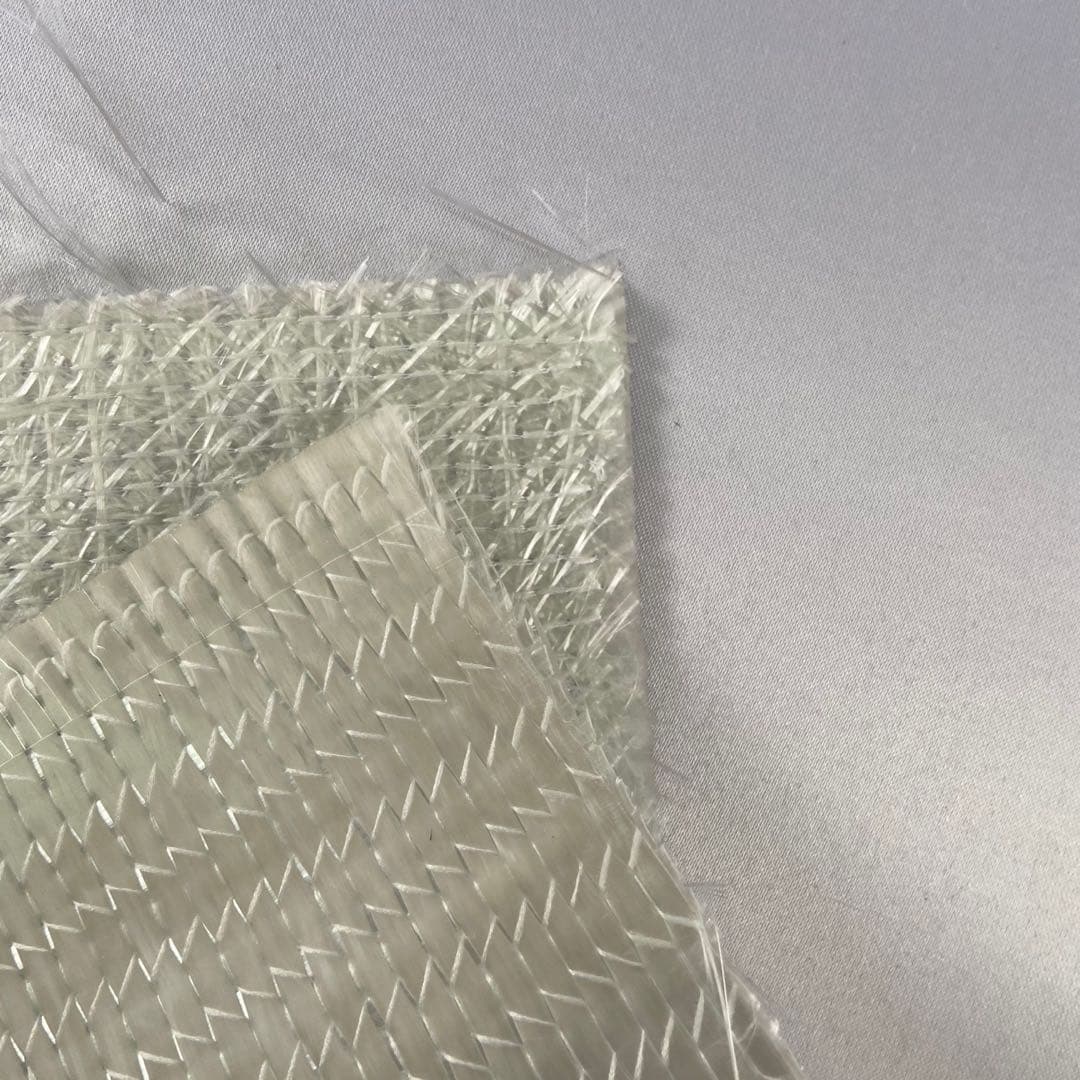
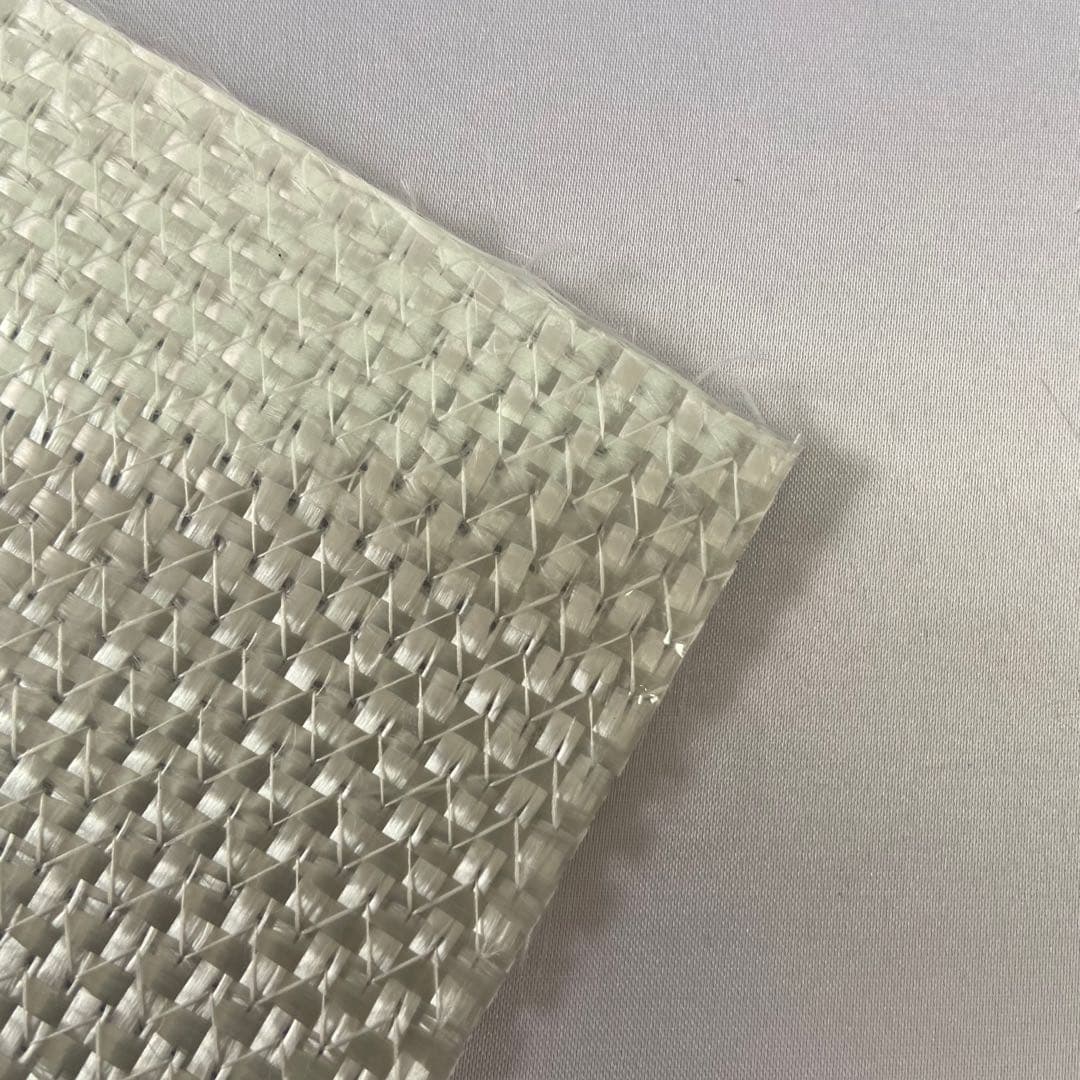
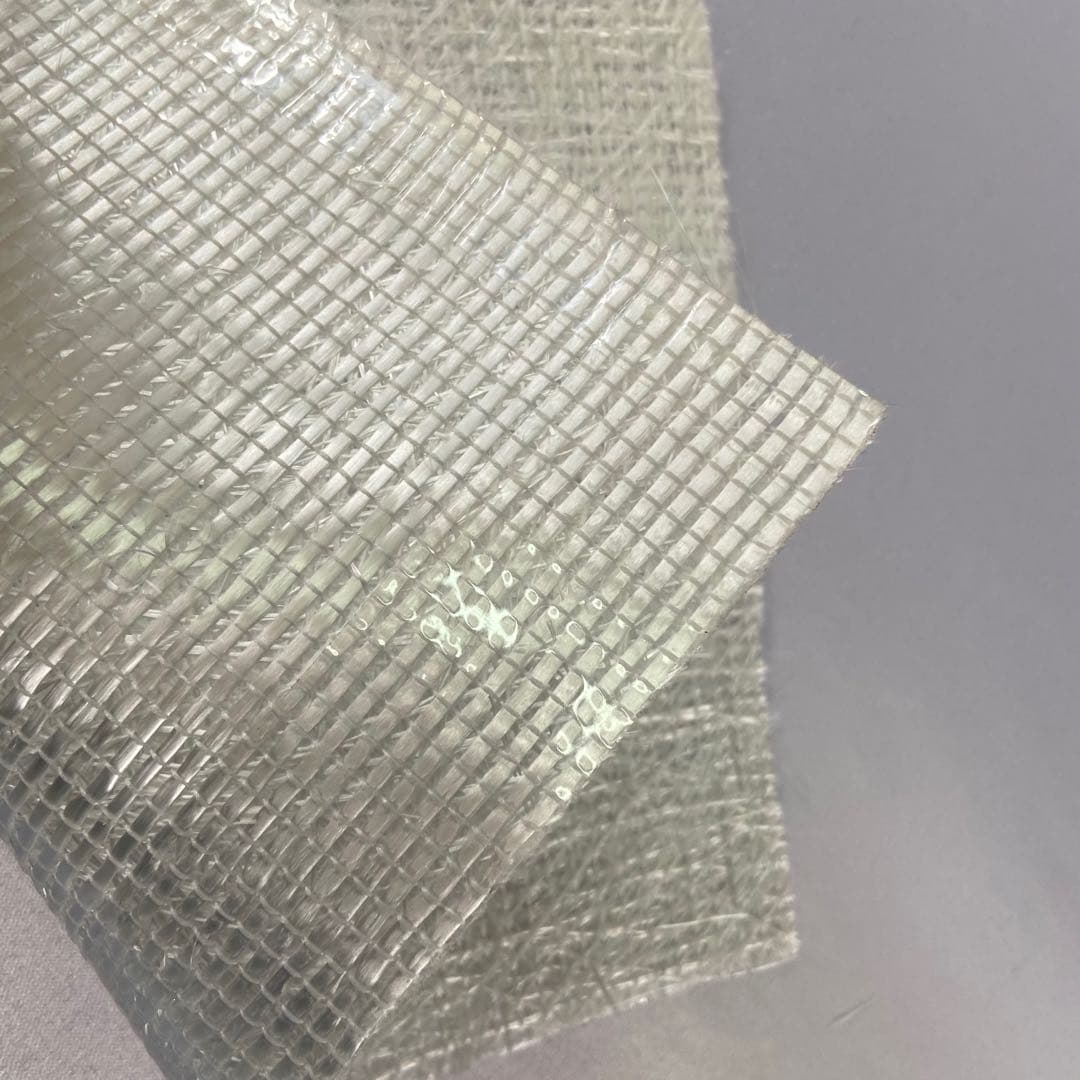
1200g/m² multiaxial stitched composite mat with ±45°/0°/90° orientation. Heavy-duty wind energy grade for turbine blade and nacelle applications.
Key Features
- Multi-axis ±45°/0°/90°
- Heavy-duty 1200g/m²
- Wind turbine blade grade
- Maximum structural performance
Overview
The multiaxial stitched mat at 1200g/m² combines ±45°, 0°, and 90° fiber layers in a single heavy-duty reinforcement engineered for wind turbine blades and nacelles. By stacking multiple orientations and stitching them into one non-crimp fabric, the mat resists loads from several directions at once, which is essential for the complex stress fields in large rotor blades.
At 1200g/m² it is one of the heaviest fabrics in the range, delivering maximum structural performance and rapid laminate build-up so manufacturers can reach the thick cross-sections blades require with fewer plies. The uncrimped, multi-axis fibers provide high stiffness and strength while the stitched construction maintains good resin infusion through the thick fabric.
Built from E-glass, alkali-free fiber, the mat suits the vacuum infusion processes used in blade and nacelle production and offers the chemical resistance and consistency demanded by long-life wind energy structures.
Specifications
| Parameter | Value |
|---|---|
| Weight | 1200 g/m² |
| Orientation | ±45°/0°/90° |
| Composition | E-glass, Alkali-free |
| Application | Wind Turbine Blades |
Applications
Frequently Asked Questions
What orientations are combined in the 1200g multiaxial mat?
It combines ±45°, 0°, and 90° fiber layers stitched into a single non-crimp fabric, so it resists loads from multiple directions at once.
Why use such a heavy 1200g/m² fabric?
The high weight allows rapid laminate build-up and maximum structural performance, helping manufacturers reach the thick cross-sections that wind turbine blades require with fewer plies.
Is it suitable for resin infusion?
Yes. Despite its weight, the stitched non-crimp construction maintains resin flow paths, making it suitable for the vacuum infusion processes used in blade and nacelle manufacturing.