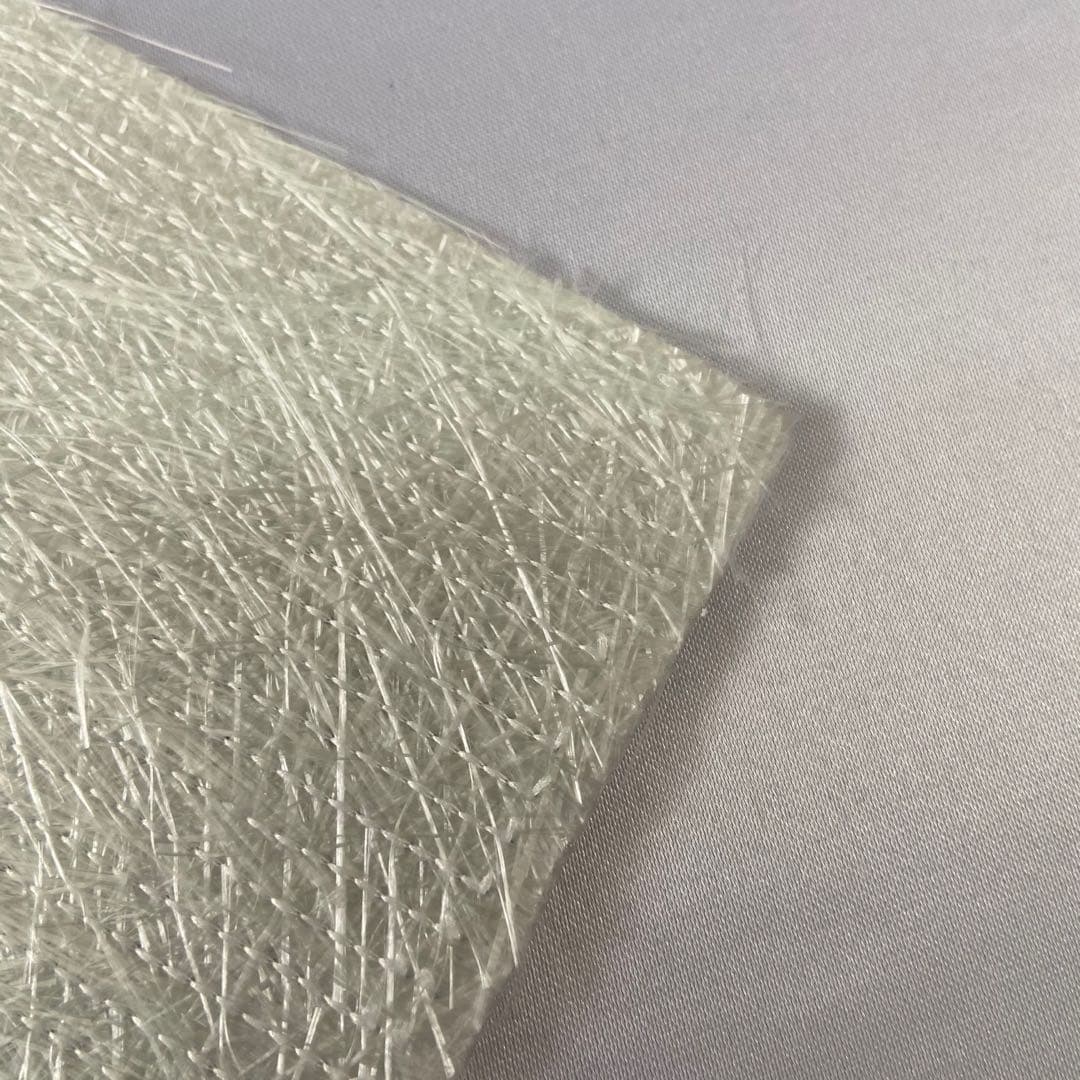
Biaxial Stitched Mat ±45°
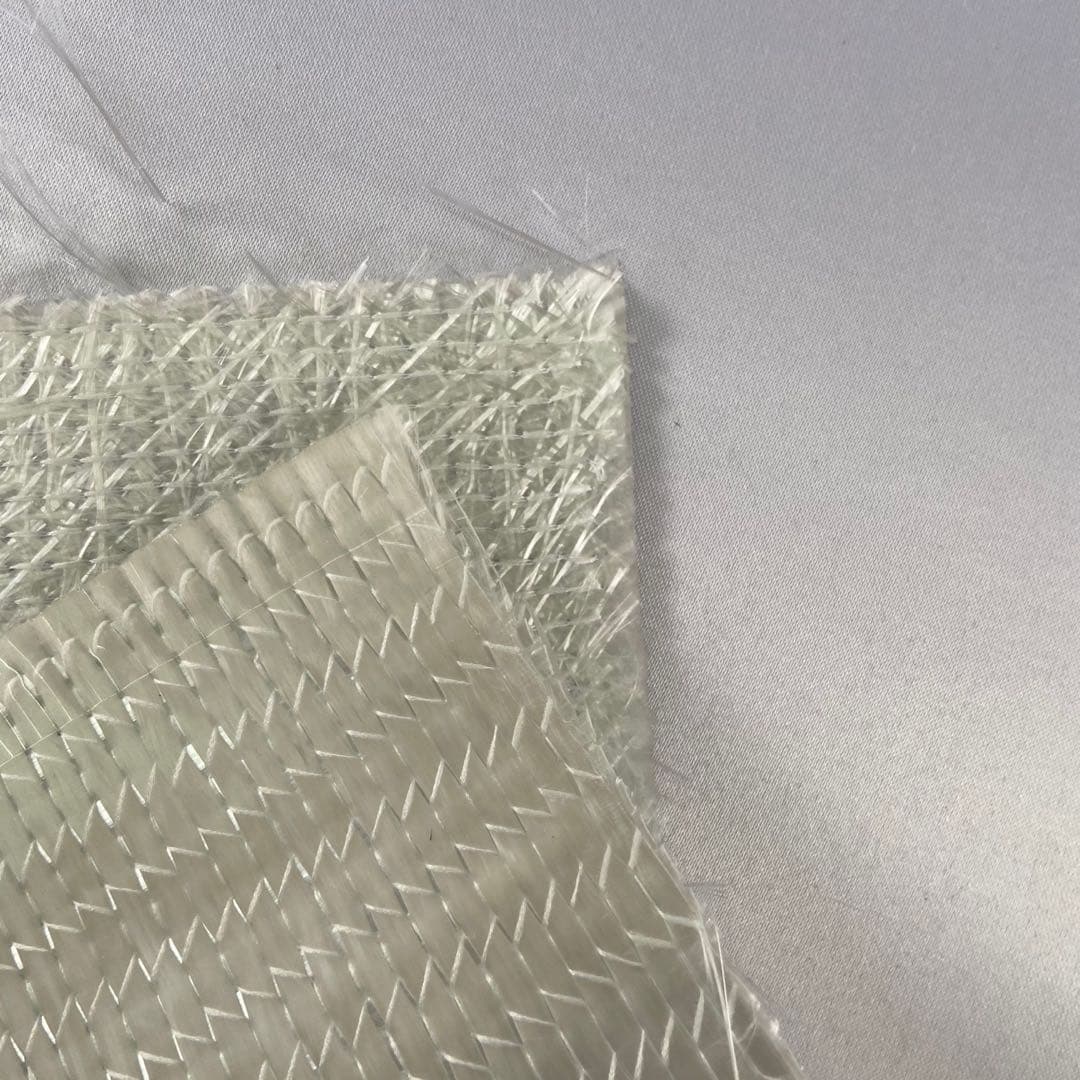
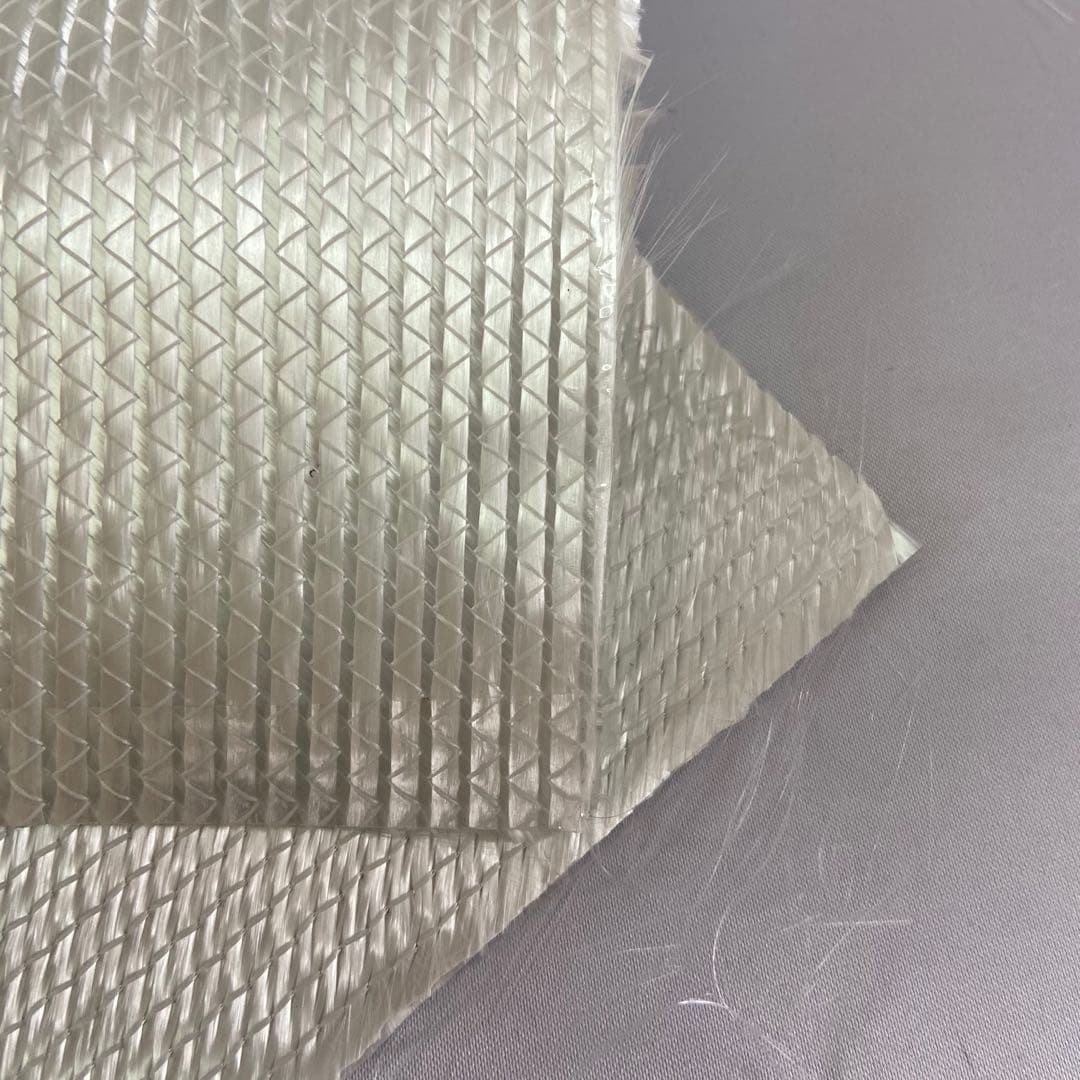
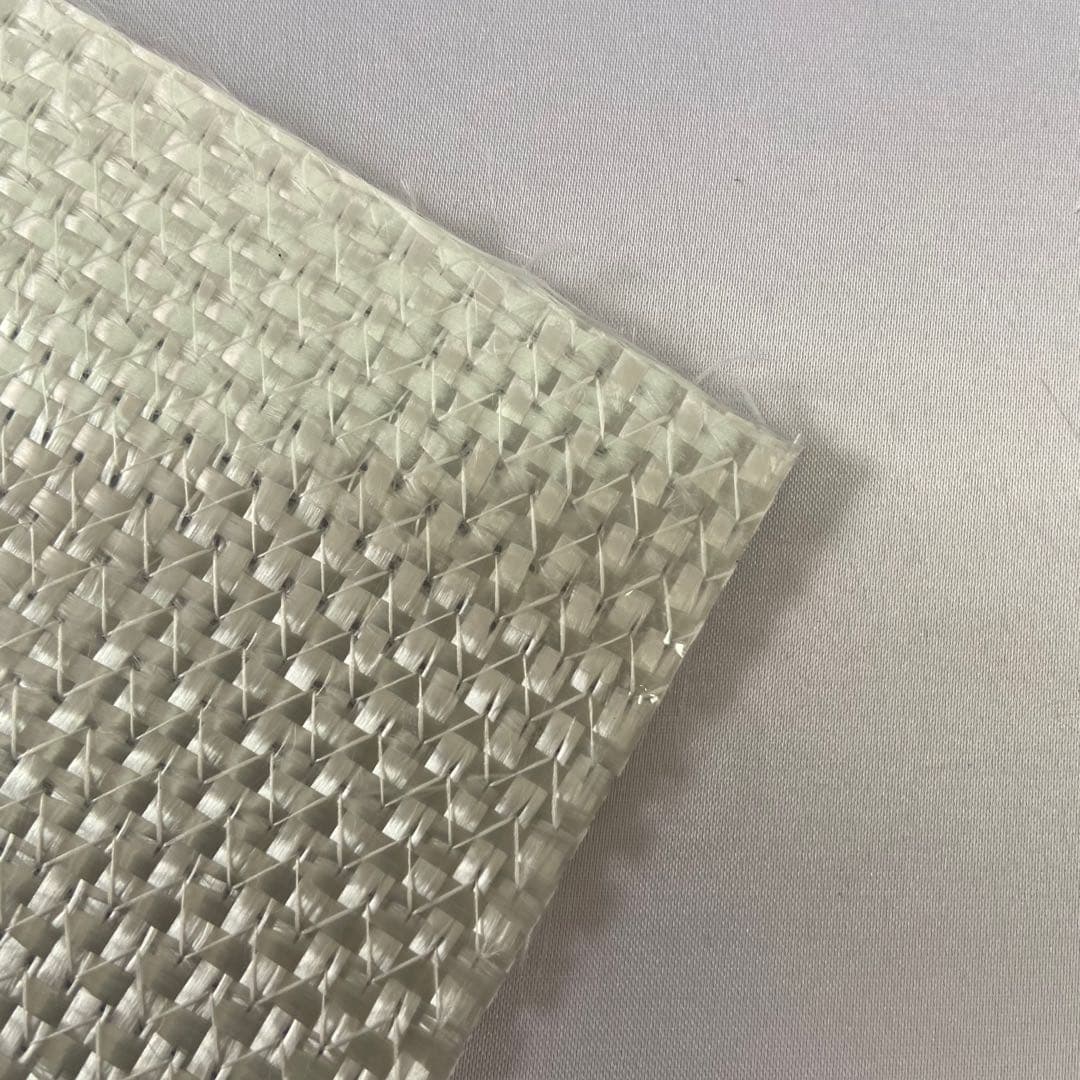
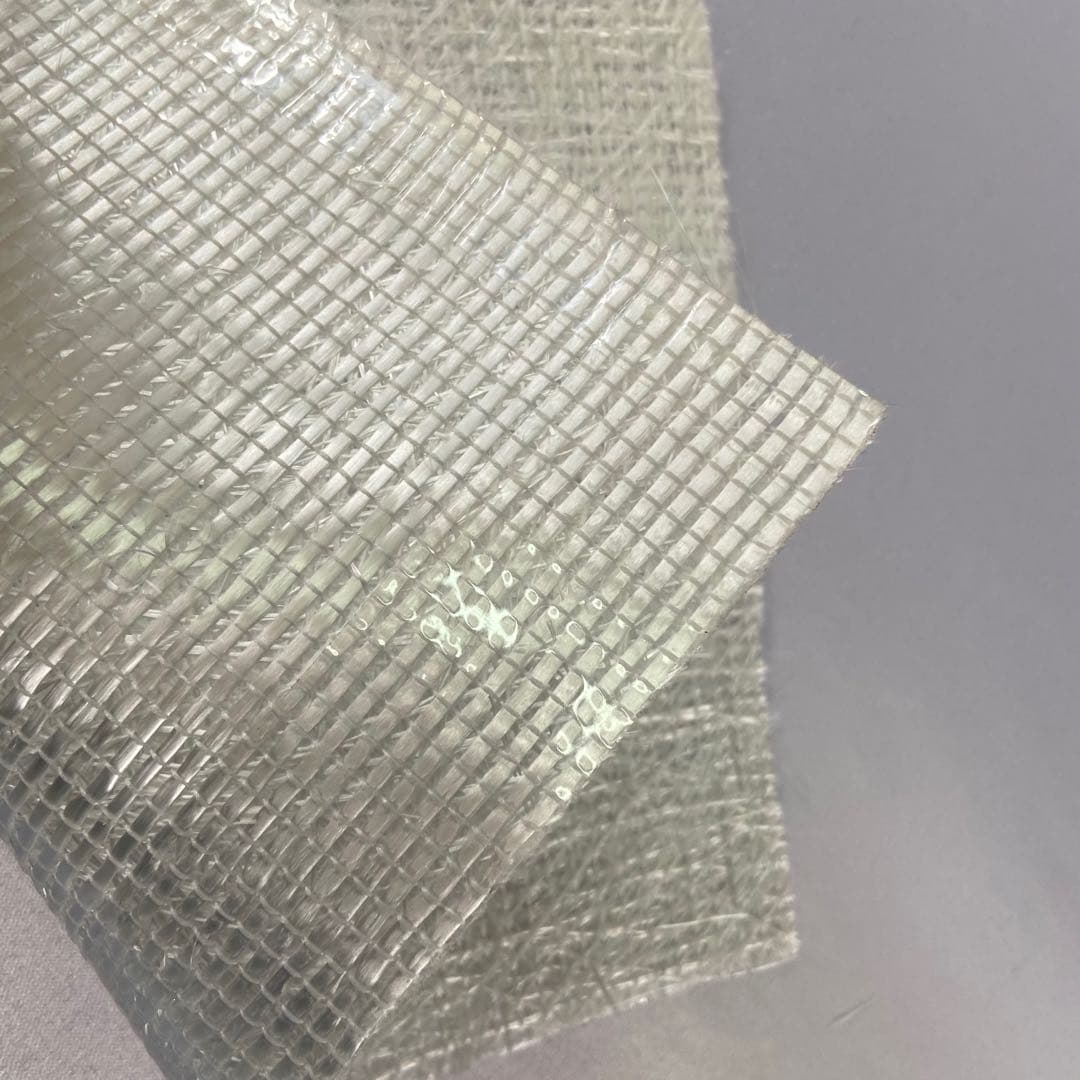
900g/m² biaxial stitched composite mat with ±45° fiber orientation. Designed for wind turbine nacelle covers requiring high shear strength.
Key Features
- ±45° biaxial orientation
- 900g/m² weight
- Wind turbine grade
- High shear performance
Overview
The biaxial stitched mat at ±45° is a heavy 900g/m² composite reinforcement built for wind turbine nacelle covers and other large structural parts that must resist shear. Two layers of straight, parallel fibers are oriented at +45° and -45° and held together by stitching, producing a non-crimp fabric that delivers far higher shear strength than a comparable woven cloth.
Because the fibers are not crimped over one another, they carry load along their full length, giving the laminate predictable, high mechanical performance. The stitched construction also opens resin flow paths, which is important for infusing the thick, large-area parts typical of wind energy structures.
At 900g/m² the mat lays down substantial reinforcement per ply, reducing layer count in heavy laminates. The E-glass, alkali-free composition provides chemical resistance and consistent properties, and the fabric suits vacuum infusion and other closed-mold processes used in nacelle and blade manufacturing.
Specifications
| Parameter | Value |
|---|---|
| Weight | 900 g/m² |
| Orientation | ±45° |
| Composition | E-glass, Alkali-free |
| Application | Wind Turbine Nacelle |
Applications
Frequently Asked Questions
What is a non-crimp biaxial stitched mat?
It is a fabric with two layers of straight fibers oriented at +45° and -45°, held together by stitching rather than weaving. Because the fibers are not crimped, they deliver higher, more predictable strength than woven cloth.
Why ±45° orientation for nacelle covers?
The ±45° orientation provides high shear strength, which nacelle covers need to handle the torsional and shear loads they experience in service.
How does the stitched construction help infusion?
The stitched, non-crimp structure opens resin flow paths through the fabric, which helps infuse the thick, large-area laminates typical of wind energy parts.