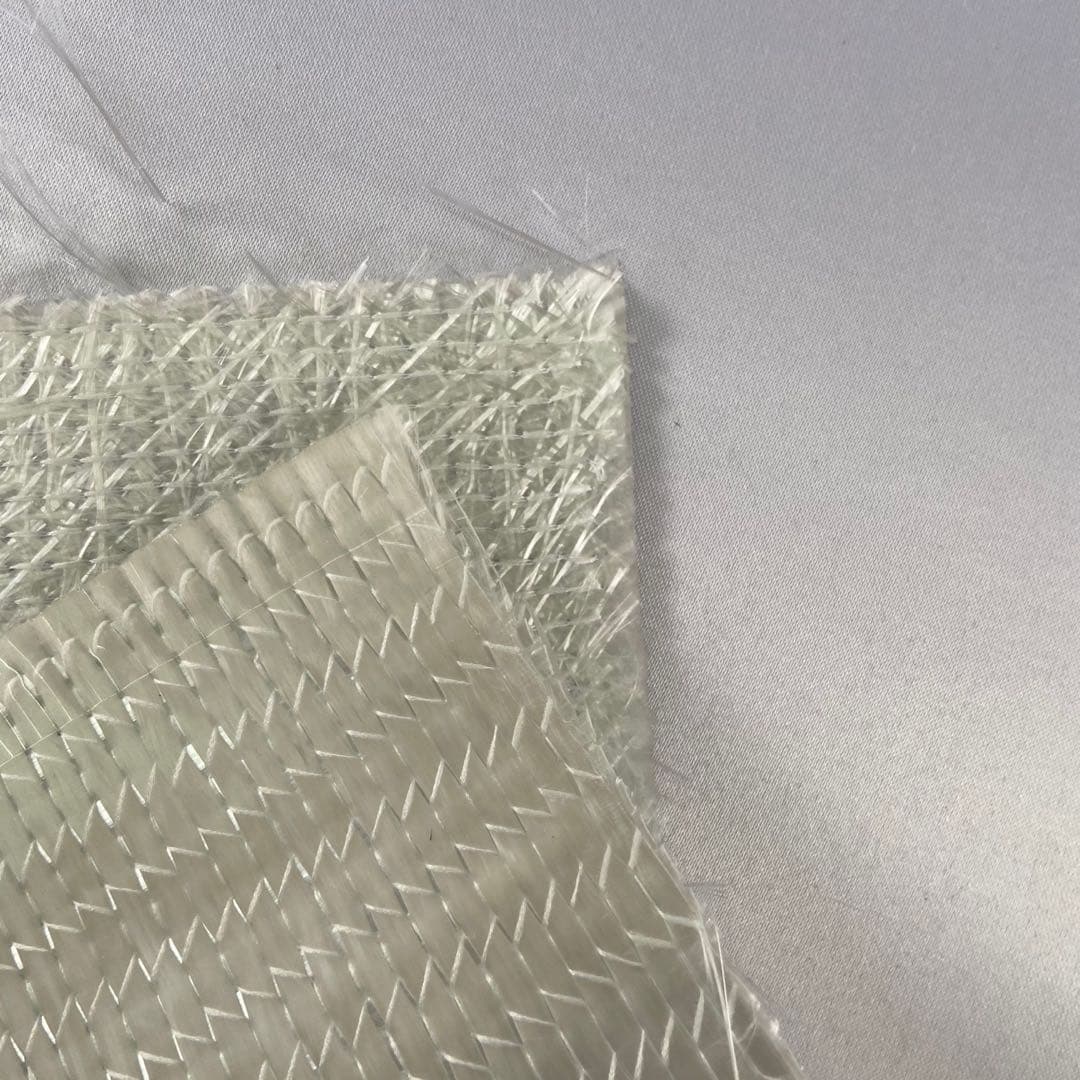
Biaxial Stitched Mat 0°/90°
900g/m² biaxial stitched composite mat with 0°/90° fiber orientation. Provides balanced strength in both warp and weft directions for wind energy applications.
Key Features
- 0°/90° biaxial orientation
- Balanced bi-directional strength
- 900g/m² weight
- Wind energy grade
Overview
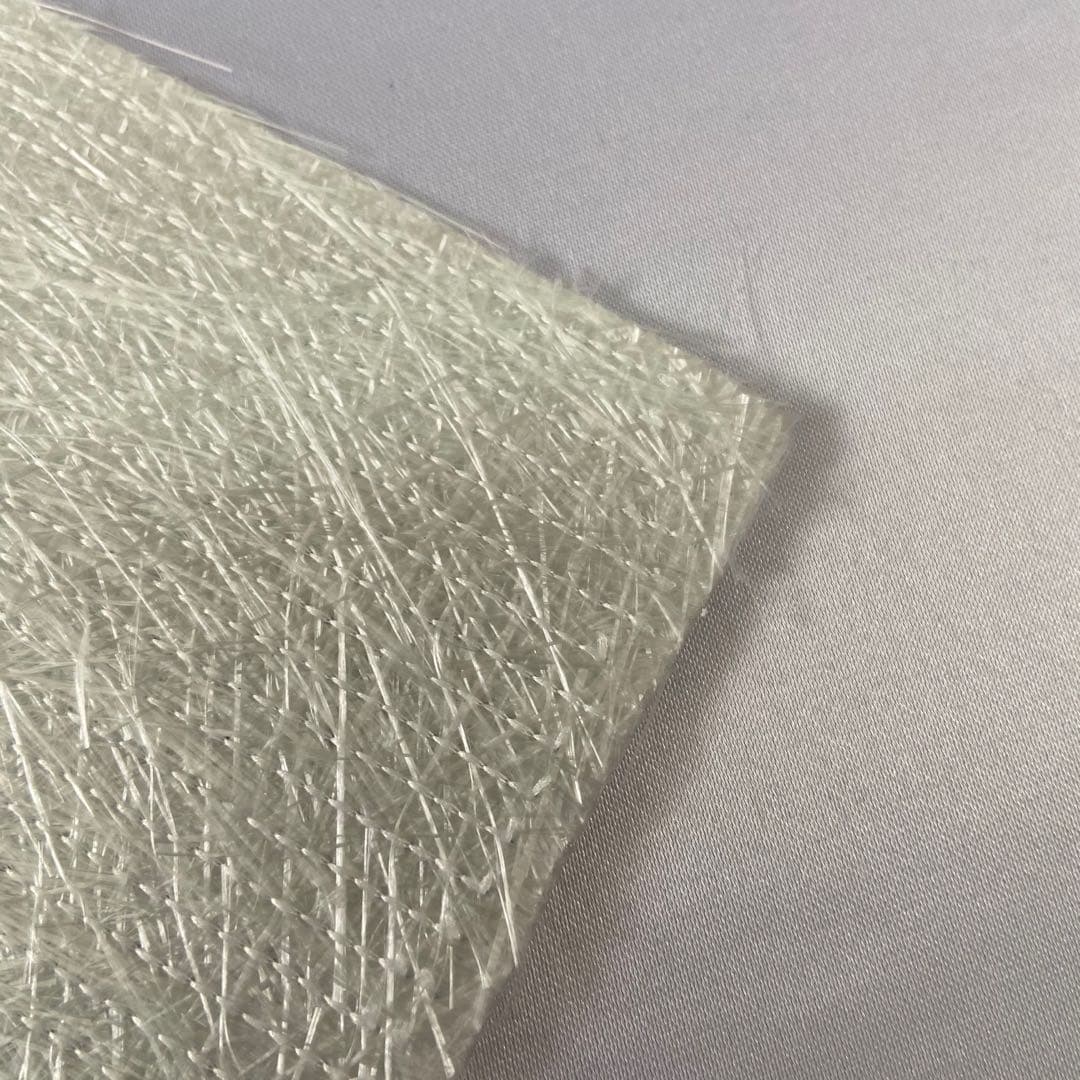
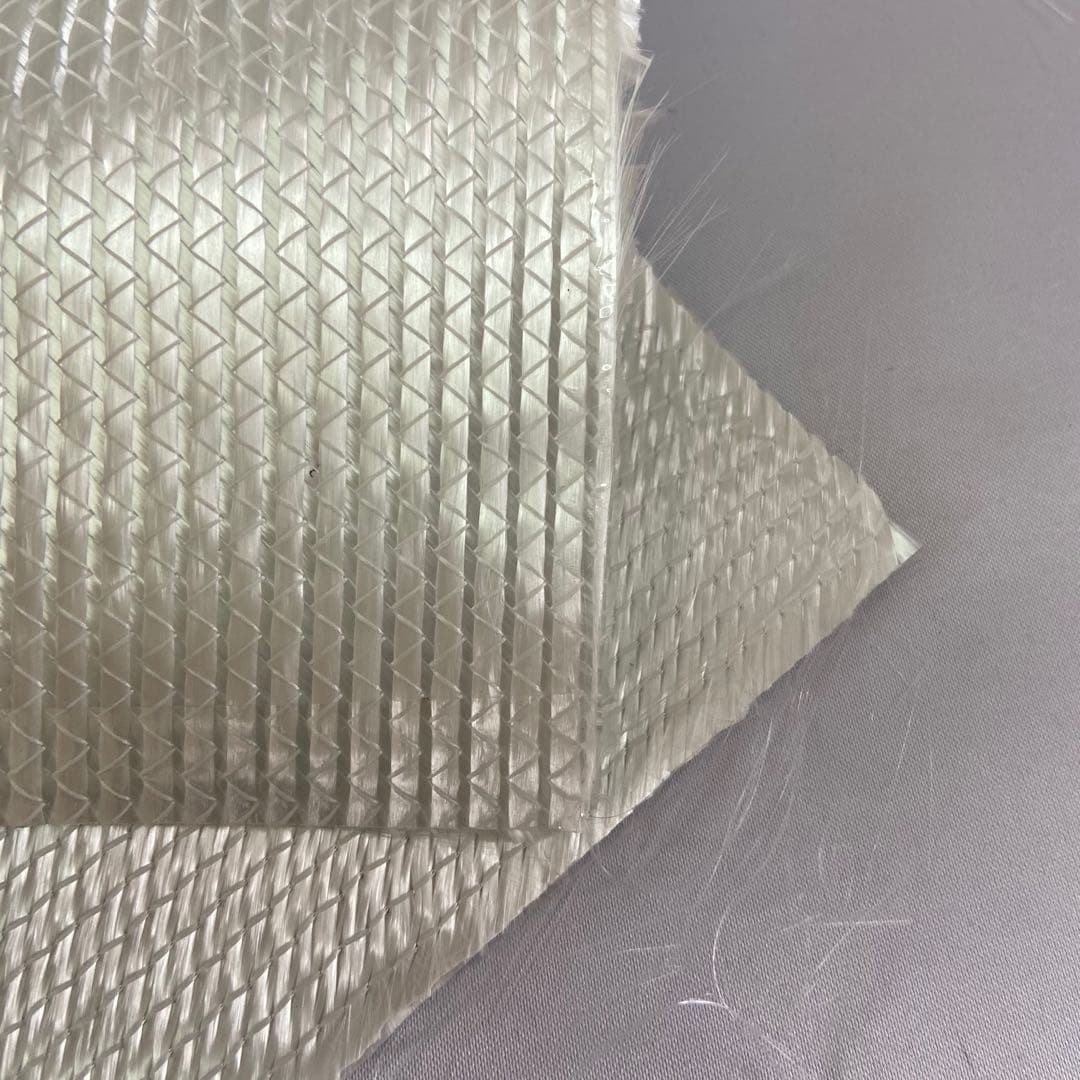
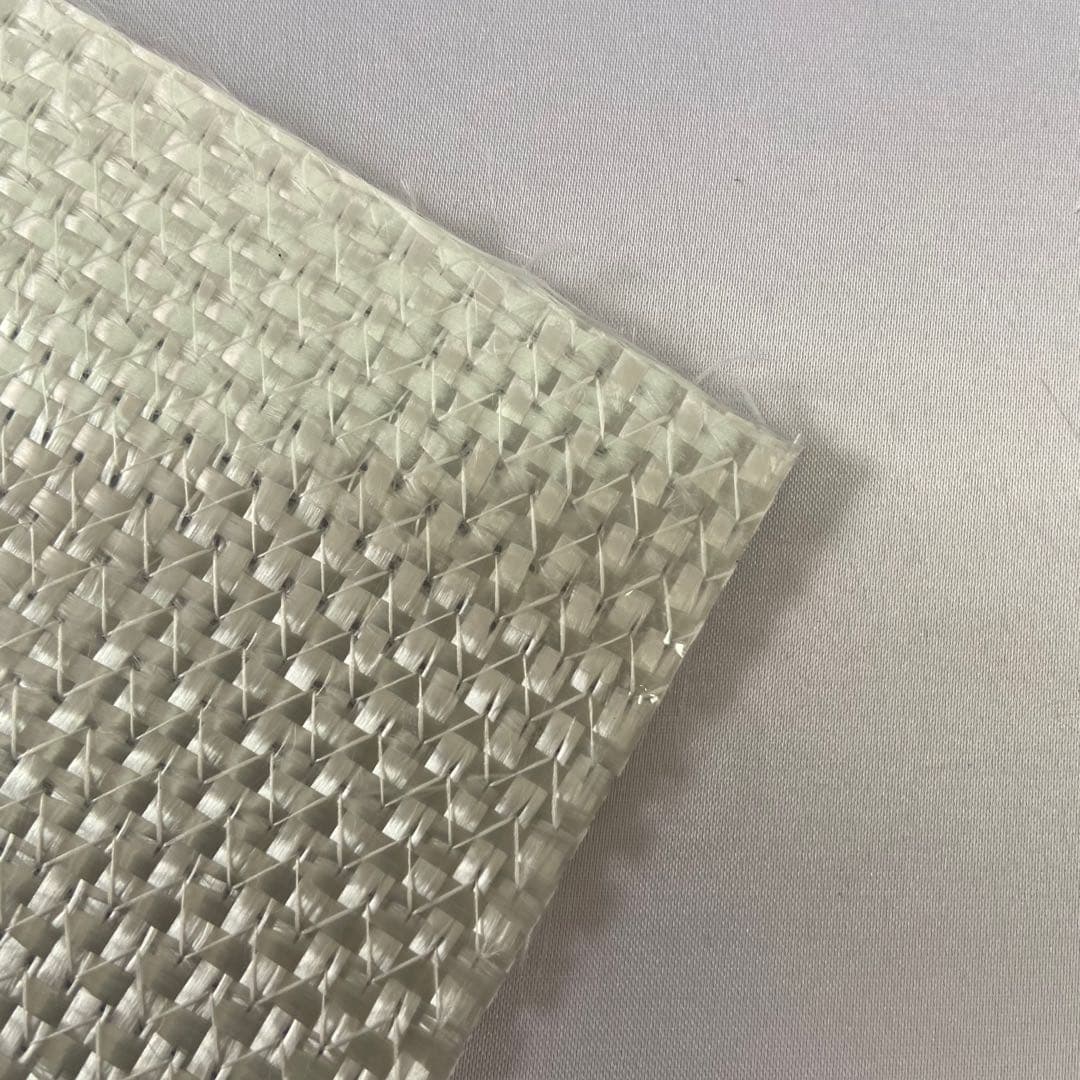
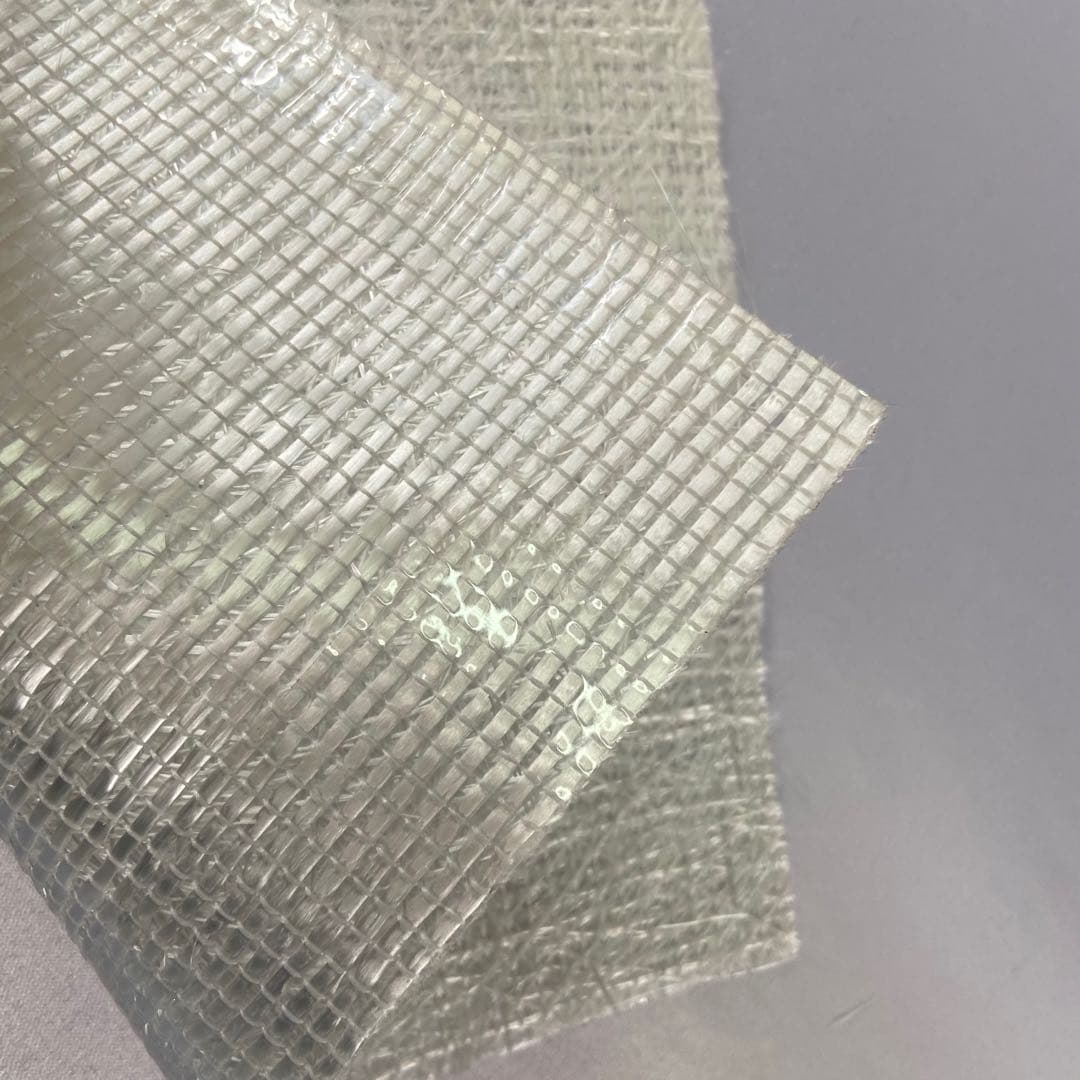
The biaxial stitched mat at 0°/90° is a 900g/m² non-crimp composite reinforcement that places straight fibers along the warp (0°) and weft (90°) directions, delivering balanced strength along both principal axes. Held together by stitching rather than weaving, the fibers remain uncrimped and carry load efficiently, making the mat well suited to wind energy structures that see loads in two perpendicular directions.
Compared with a woven fabric of similar weight, the stitched 0°/90° construction provides higher and more predictable mechanical performance and better resin flow during infusion. This makes it a strong choice for nacelle covers and structural panels where bi-directional strength and reliable laminate quality are required.
The E-glass, alkali-free composition ensures chemical resistance and consistent properties, and at 900g/m² the mat builds thickness quickly in heavy laminates. It is designed for vacuum infusion and closed-mold processes used in large composite manufacturing.
Specifications
| Parameter | Value |
|---|---|
| Weight | 900 g/m² |
| Orientation | 0°/90° |
| Composition | E-glass, Alkali-free |
| Application | Wind Turbine Nacelle |
Applications
Frequently Asked Questions
When should I choose 0°/90° instead of ±45°?
Choose 0°/90° when the part carries load primarily along two perpendicular axes (warp and weft). Choose ±45° when shear and torsional strength are the priority.
What weight is the biaxial 0°/90° mat?
It is a 900g/m² mat, which builds laminate thickness quickly and provides substantial bi-directional reinforcement per ply.
Why is the non-crimp construction beneficial?
Keeping the fibers straight and uncrimped lets them carry load along their full length, giving higher, more predictable strength and improved resin flow versus woven fabric.