
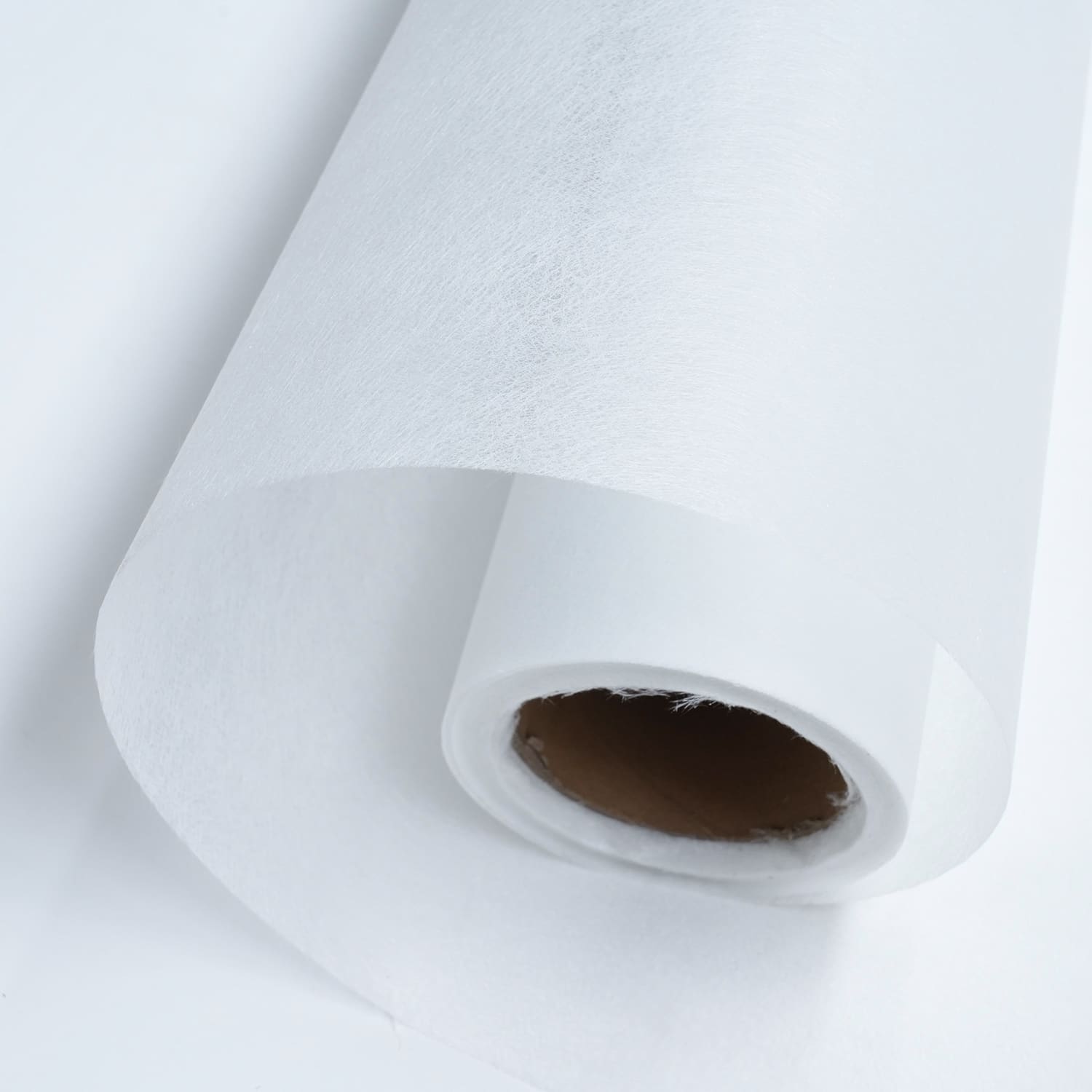
The Substrate Inside Every Honeycomb Rotor
01
The Industry Challenge
The rotor substrate has to survive corrugating and winding without cracking, accept the impregnation or coating chemistry, and stay stable through repeated adsorption and hot regeneration cycles. Because every rotor maker uses its own channel geometry, adsorbent and process, the paper has to be matched to that process rather than chosen from a generic data sheet.
02
Typical Components
- Silica gel desiccant rotors for industrial dehumidification
- Dehumidification rotors for battery dry rooms and pharmaceutical production
- Zeolite rotor concentrators for VOC abatement
- Molecular sieve rotors for low-dew-point drying
03
Key Benefits
Inorganic glass fiber base suited to hot regeneration air; limits depend on binder and the finished rotor
Wet-laid formation for an even fiber distribution across the roll
Roll material sized for corrugating and winding lines
Basis weight, thickness and width reviewed against your rotor design
Binder selected for compatibility with your impregnation or coating system
Sample trials through your own process before production approval
04
What to Confirm When Selecting
Fiber performance depends on the finished part and process. Confirm these conditions with our engineers before choosing a grade.
Rotor type and adsorbent: silica gel, molecular sieve or zeolite
Channel geometry and the corrugating or forming method
Impregnation, coating or in-situ synthesis route and its chemistry
Regeneration temperature and operating environment
Validation method and acceptance criteria for approval
05
Recommended Products
Need a Custom Solution?
Our team can review fiberglass mat, veil, and rotor paper specifications for your process.
Get a Free Quote