
Building Stronger Foundations
01
The Industry Challenge
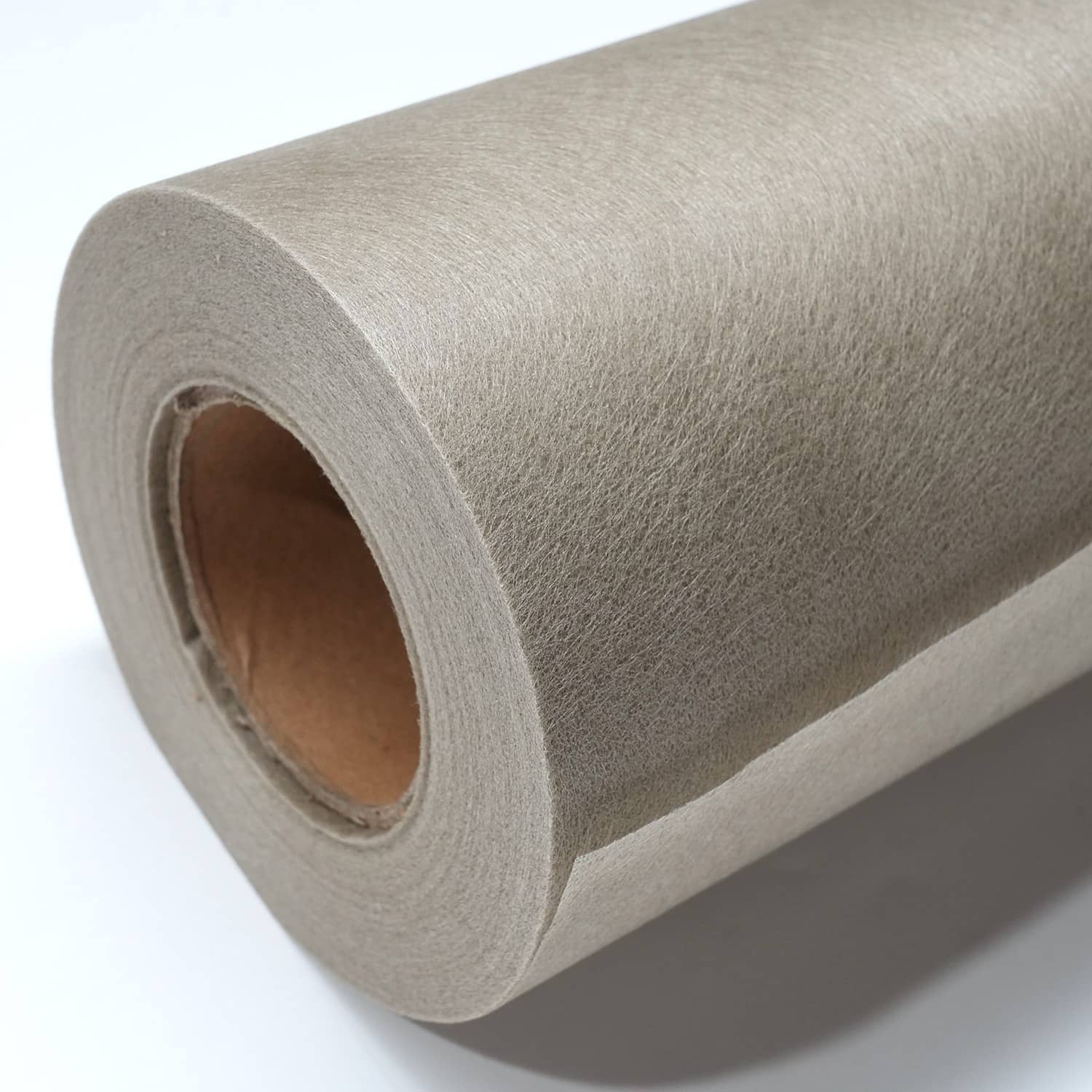
The tissue must run consistently through coating, impregnation, drying, laminating, and winding while remaining compatible with the selected bitumen, polymer, adhesive, or resin system.
02
Typical Components
- Roofing and waterproofing membrane carriers
- Wall-covering substrates
- Pipe and duct insulation facings
- Composite surface layers
03
Key Benefits
Lightweight roll format for converting
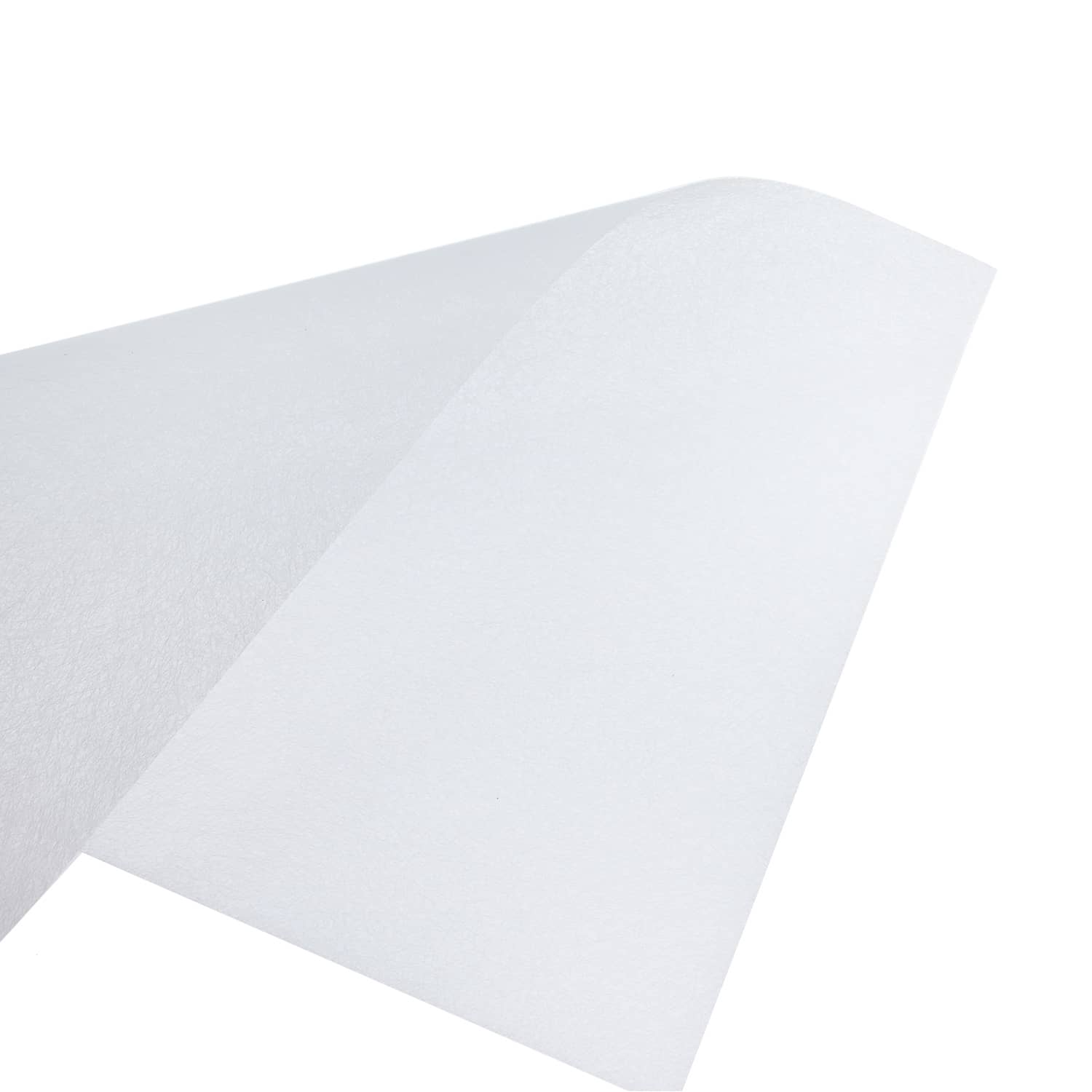
Surface uniformity for coating or impregnation
Basis weight and width options by grade
Binder compatibility reviewed for the process
Weathering performance validated in the finished system
Fire performance determined by the finished system and test method
04
What to Confirm When Selecting
Fiber performance depends on the finished part and process. Confirm these conditions with our engineers before choosing a grade.
Coating, adhesive, bitumen, or resin system
Target basis weight, width, and roll construction
Line speed, drying, winding, and handling conditions
Finished-system weathering or fire test requirements
05
Recommended Products
Need a Custom Solution?
Our team can review fiberglass mat, veil, and rotor paper specifications for your process.
Get a Free Quote