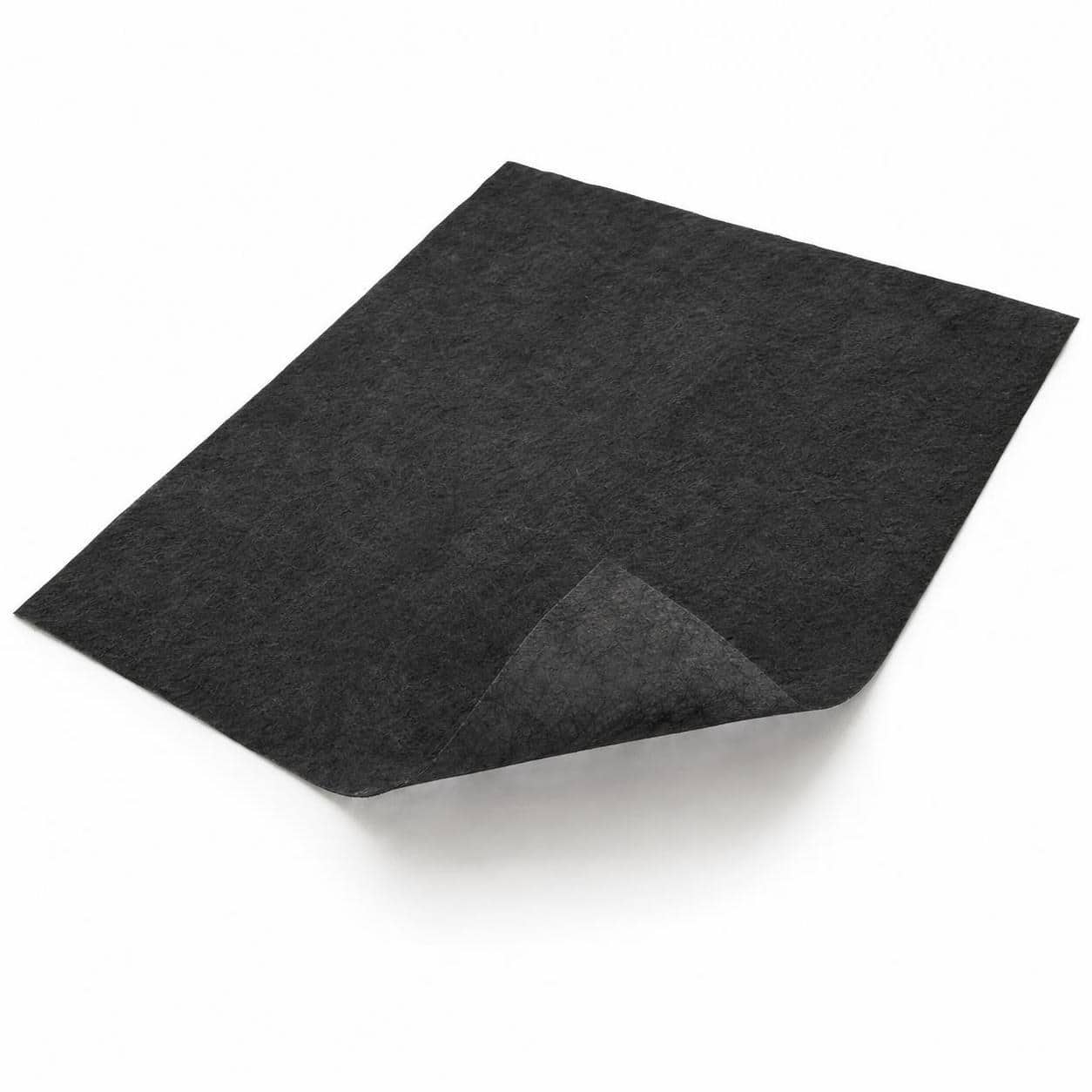
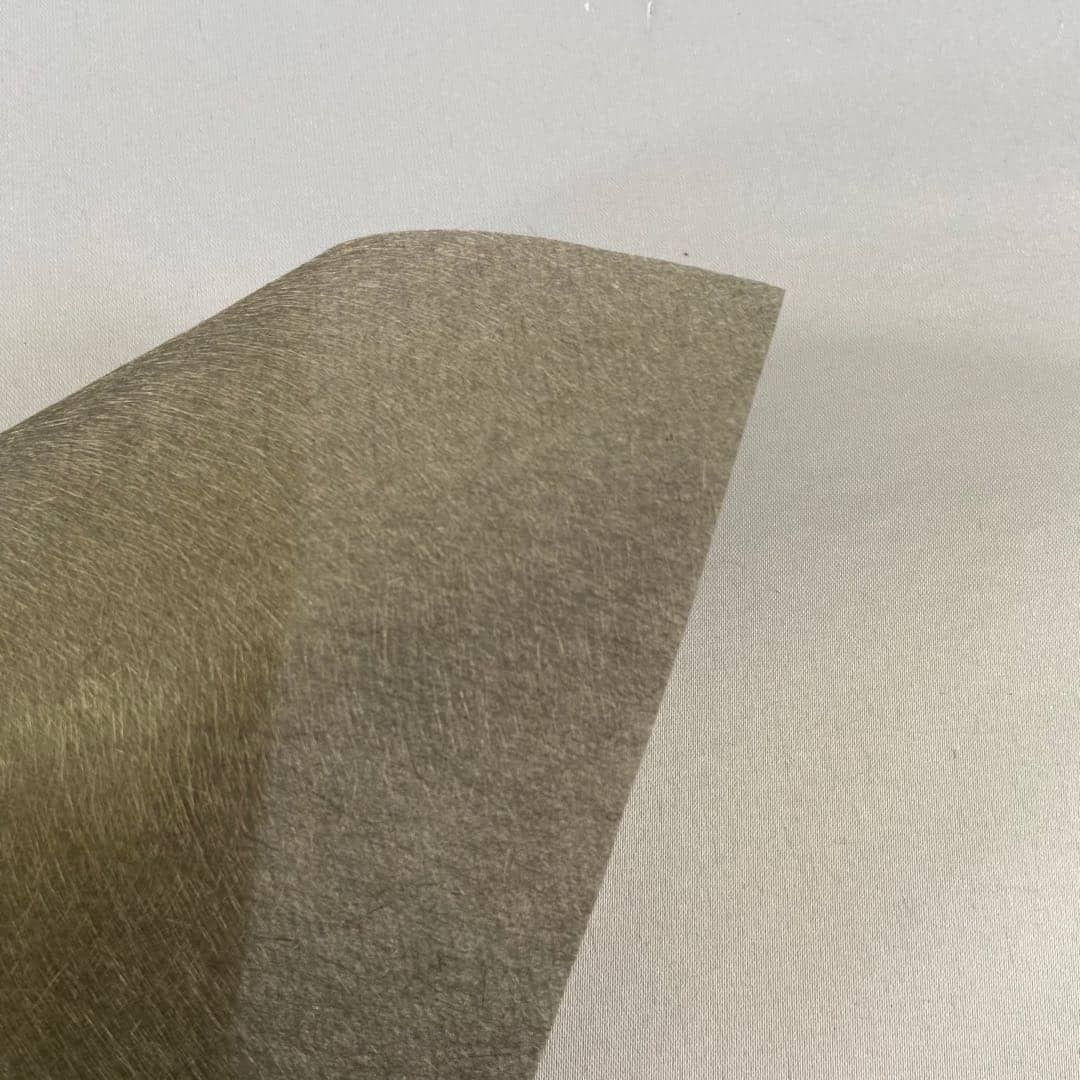
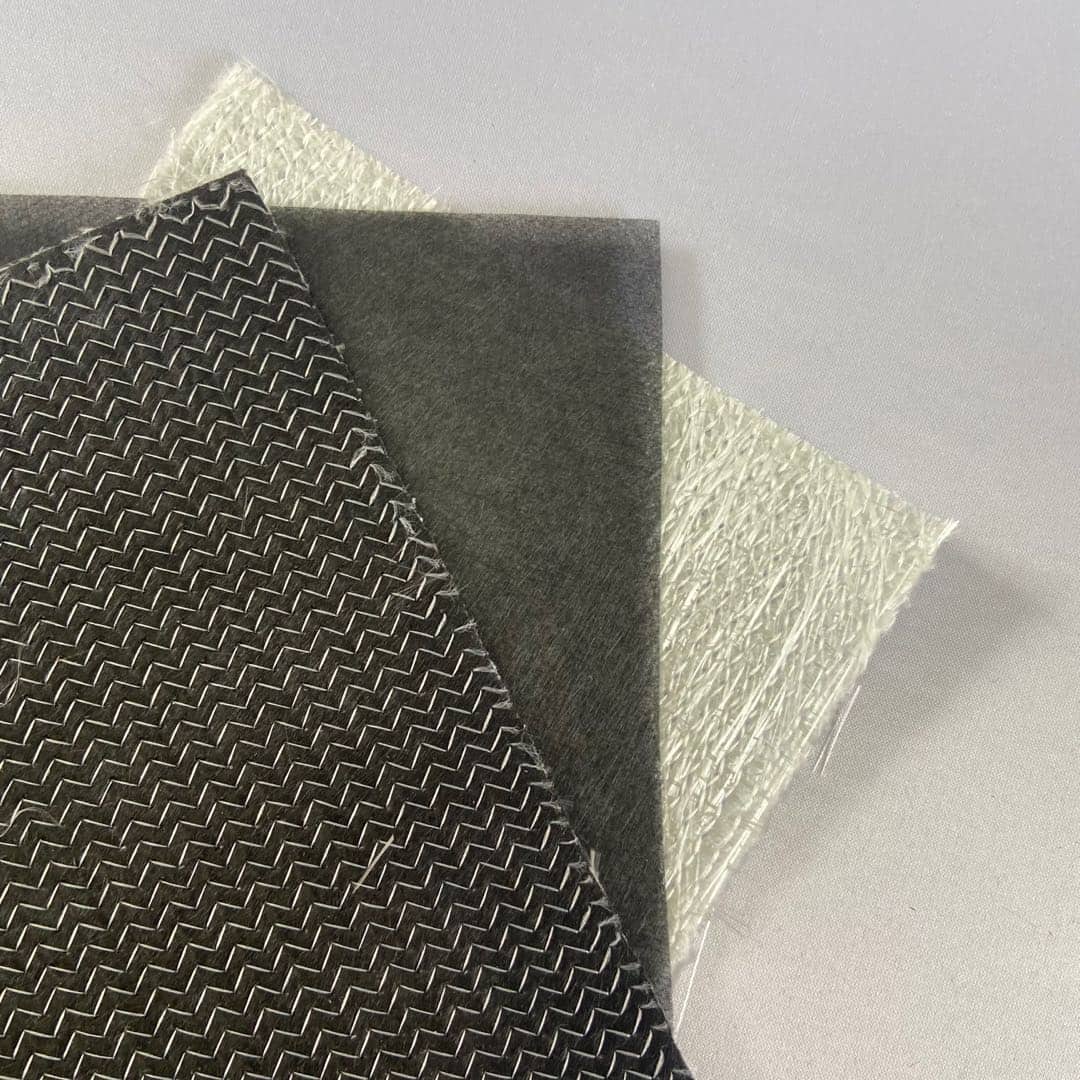
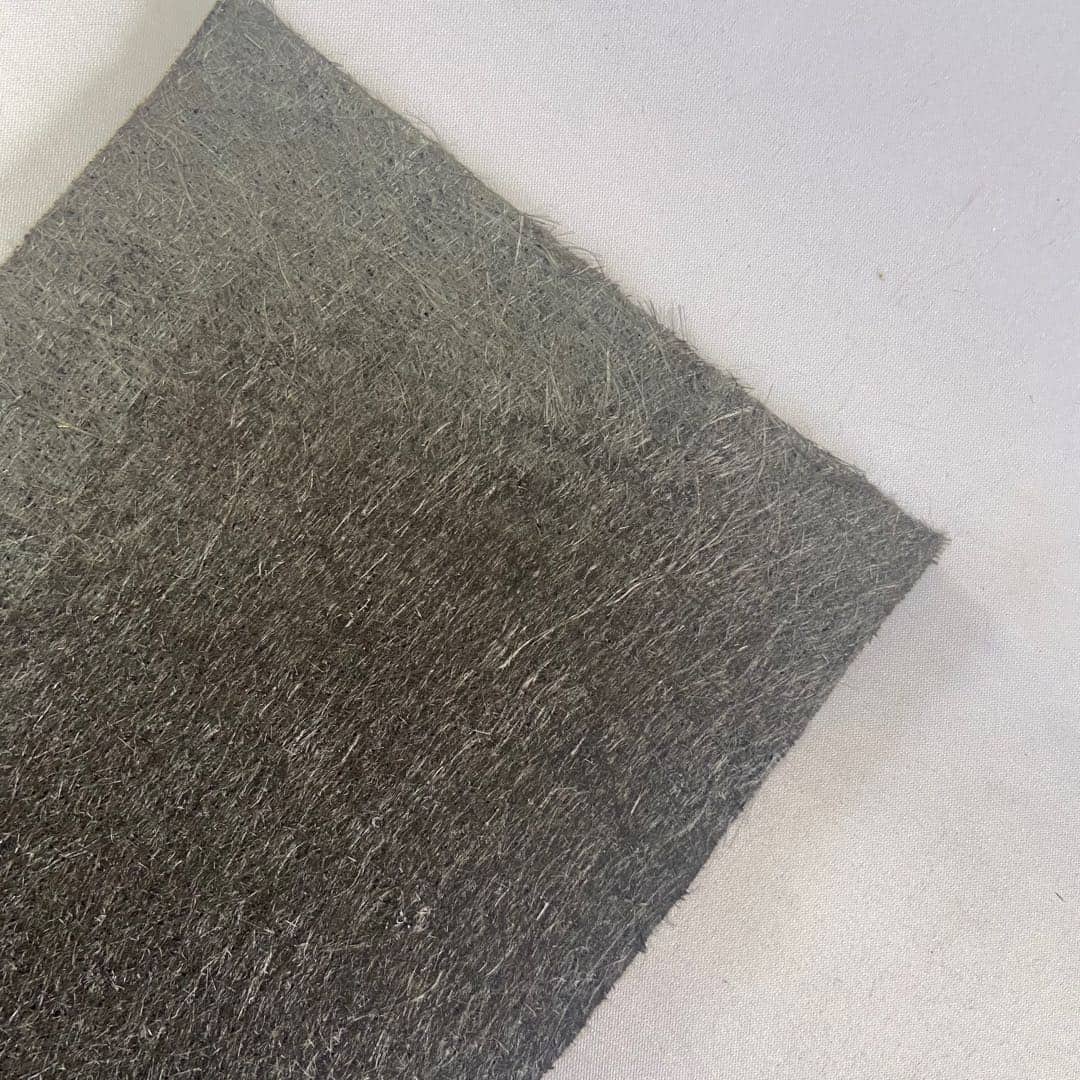
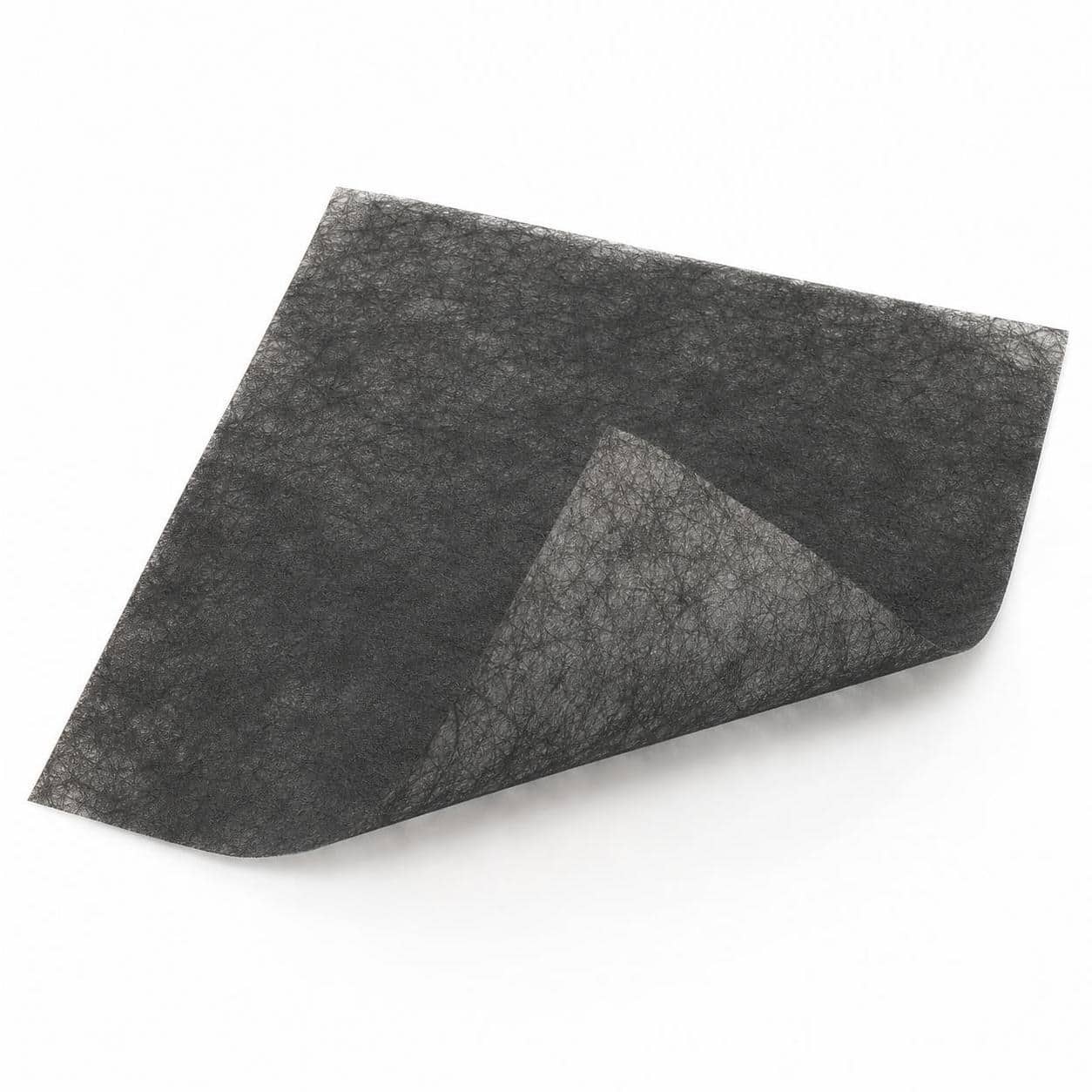
Carbon Fiber Surface Mat 10g
Ultra-thin 10g/m² carbon fiber surface mat with superior conductivity and thermal performance. Ideal for military applications and fuel cell components.
Key Features
- Ultra-lightweight at 10g/m²
- Excellent electrical conductivity
- Superior thermal conductivity
- Corrosion resistant
Specifications
| Parameter | Value |
|---|---|
| Weight | 10 g/m² |
| Material | Carbon Fiber |
| Function | Conductive, Thermal |
| Application | Military, Fuel Cells |
Overview
The 10g/m² carbon fiber surface mat is the thinnest veil in our conductive mat range, produced from finely dispersed carbon filaments to deliver a continuous conductive surface at minimal added weight. Because it adds almost no thickness to a laminate, it is the preferred choice when engineers need to introduce electrical or thermal conductivity without disturbing the structural fiber architecture underneath.
In military and defense composites the mat is used as a grounding and charge-dissipation layer, while in hydrogen fuel cell assemblies it contributes to the conductive pathways required around the membrane electrode stack. The open, uniform fiber distribution allows resin to wet out quickly during infusion or hand lay-up, so the veil consolidates cleanly against adjacent plies without trapping air.
Supplied in roll form, the 10g grade is typically applied as the outermost or near-surface ply where its low areal weight keeps the finished part light. It pairs well with epoxy, vinyl ester, and phenolic systems, and its corrosion resistance makes it suitable for components exposed to aggressive service environments.
Applications
Frequently Asked Questions
What makes a 10g/m² carbon fiber surface mat different from heavier mats?
At 10g/m² this is an ultra-thin veil, so it adds conductivity and a smooth conductive surface with almost no weight or thickness penalty. Heavier mats (20g and above) provide more robust conductive pathways and bulk but are less suited to weight-critical surface layers.
Is the 10g carbon surface mat suitable for fuel cell components?
Yes. Its uniform fiber distribution and high electrical conductivity make it appropriate for fuel cell components where a thin, even conductive layer is needed. For gas diffusion layer applications specifically, we also offer a dedicated fuel cell GDL grade.
Which resin systems are compatible with this surface mat?
The mat wets out readily with epoxy, vinyl ester, and phenolic resins. Its open structure supports both vacuum infusion and hand lay-up processes.
Related Guides
Carbon Fiber Mat Selection Guide: Surface, Composite, Needled and GDL Mats
Compare the current carbon fiber mat range by catalog weight, construction, intended function and process, from 10 g/m² surface mat to 350 g/m² needled mat.
Composite Laminates: Surface, Structural, and Core Layers
How laminated composite materials stack surface veils, structural reinforcements, and core into one laminate, and what to specify for each layer in an RFQ.