
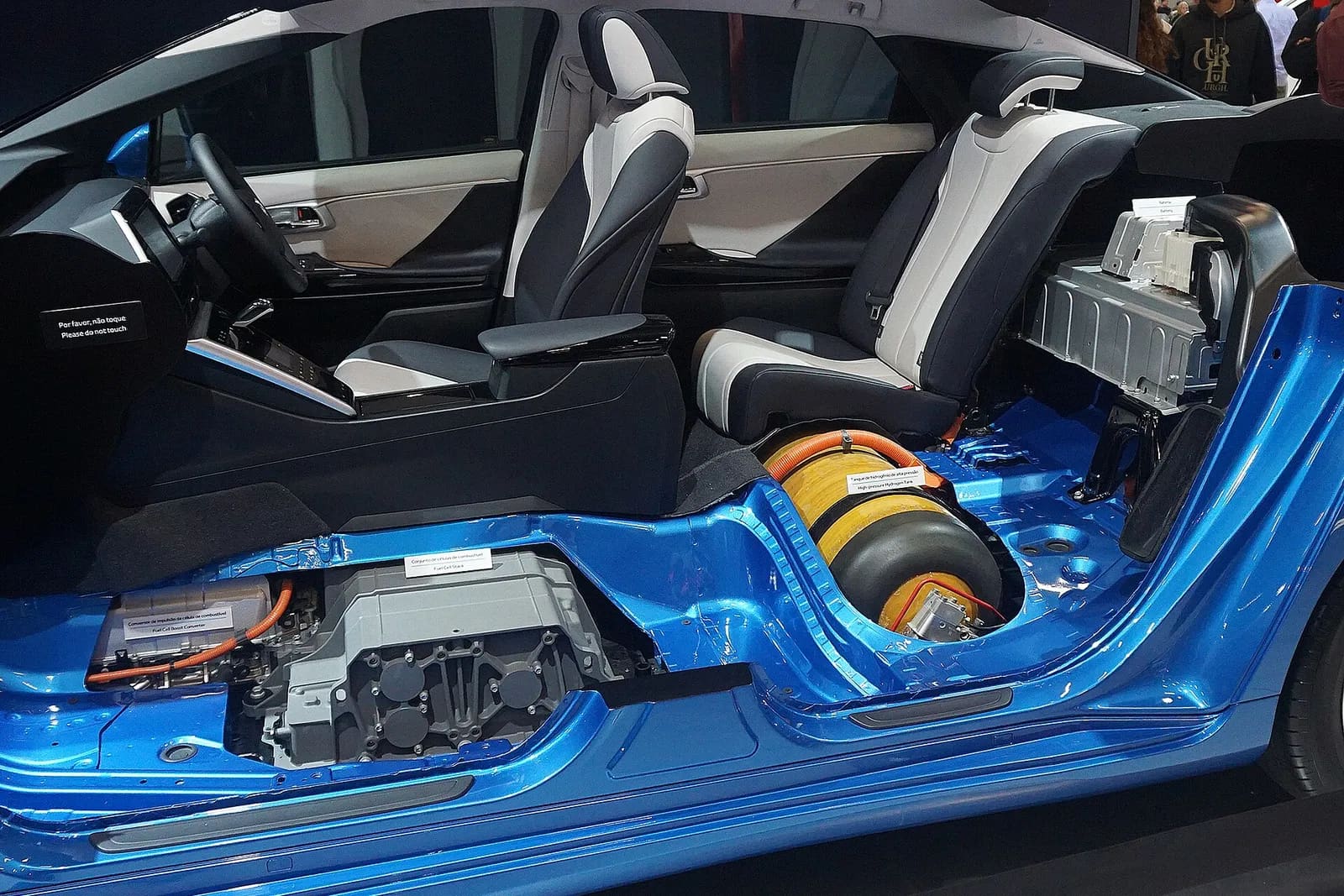
Powering Tomorrow's Energy
01
The Industry Challenge
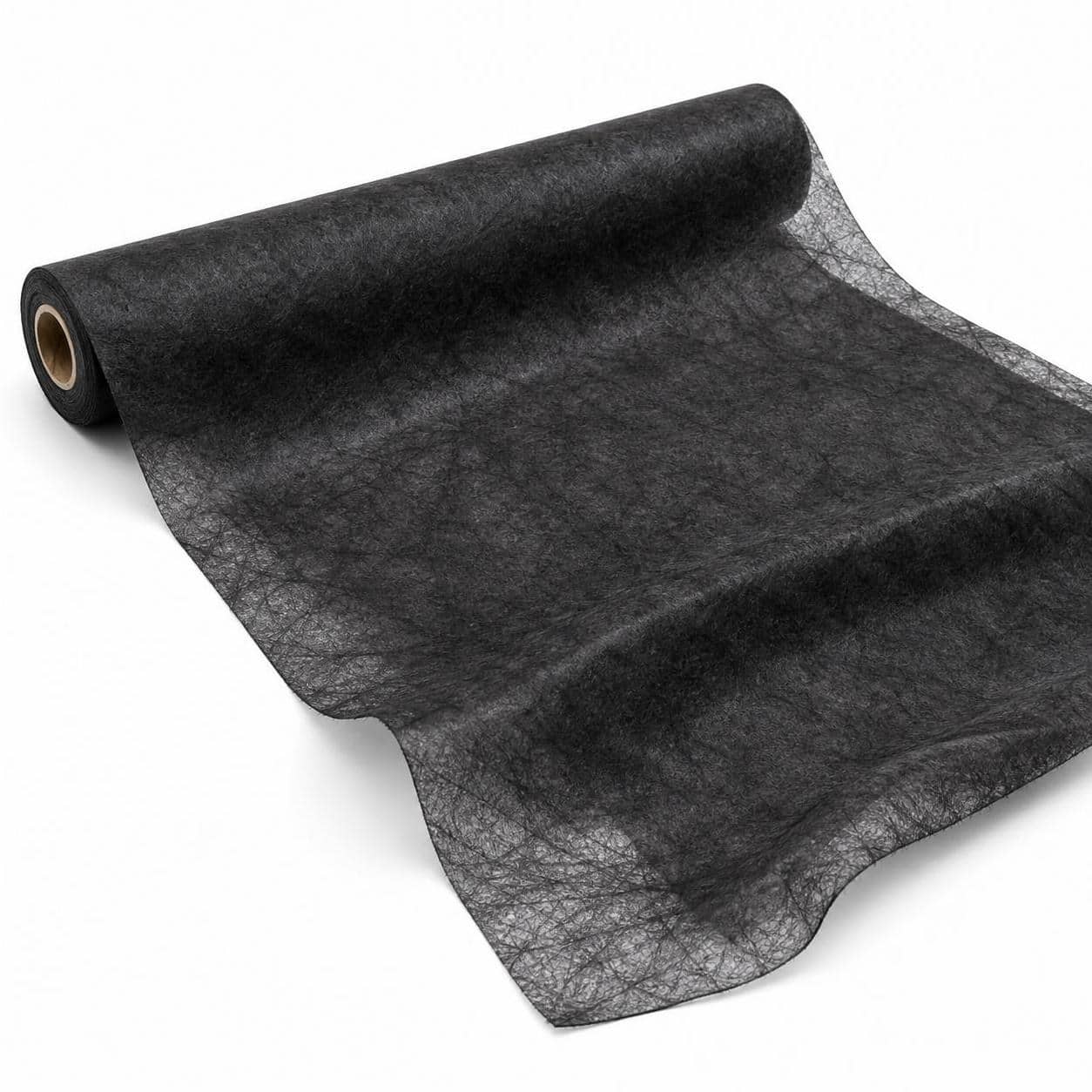
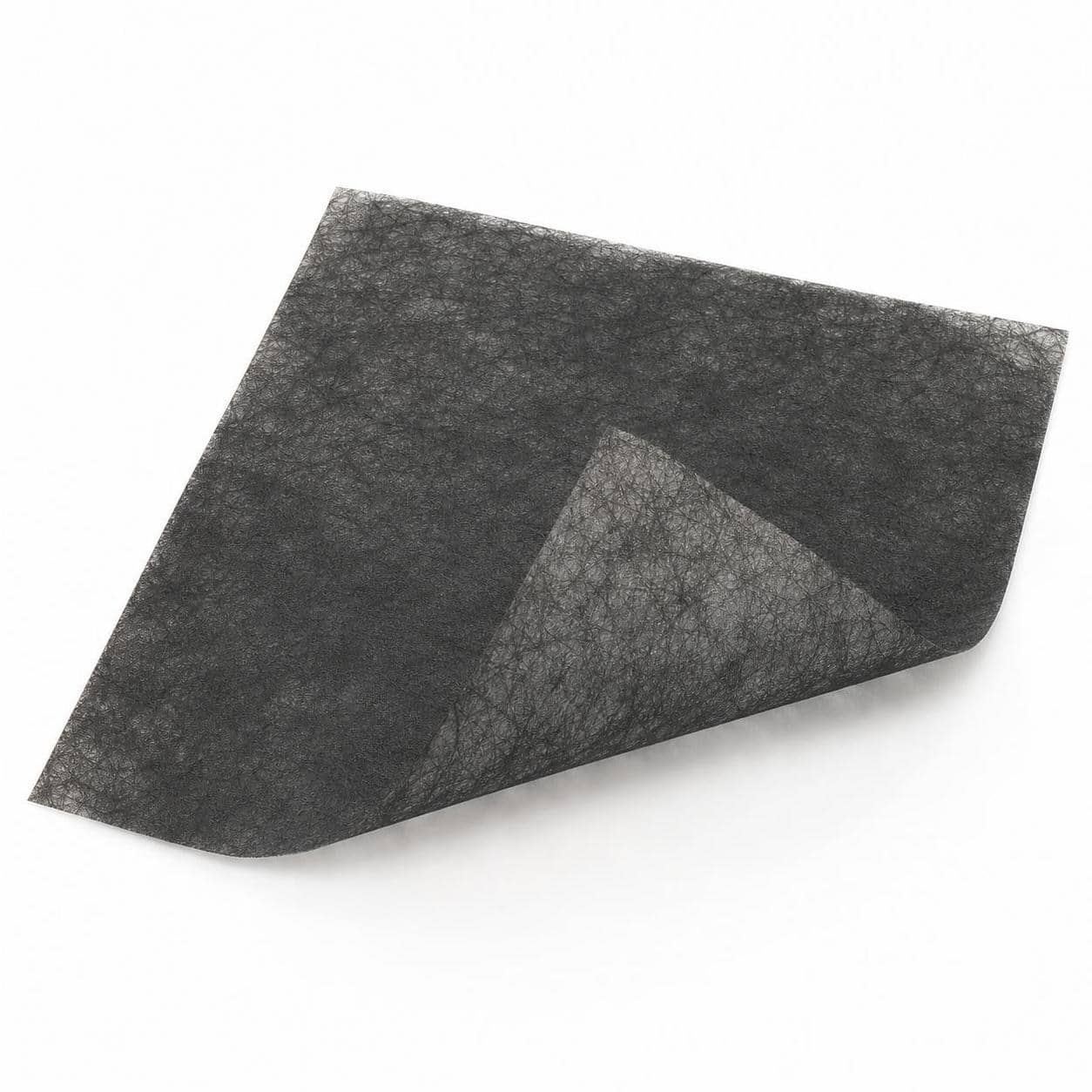
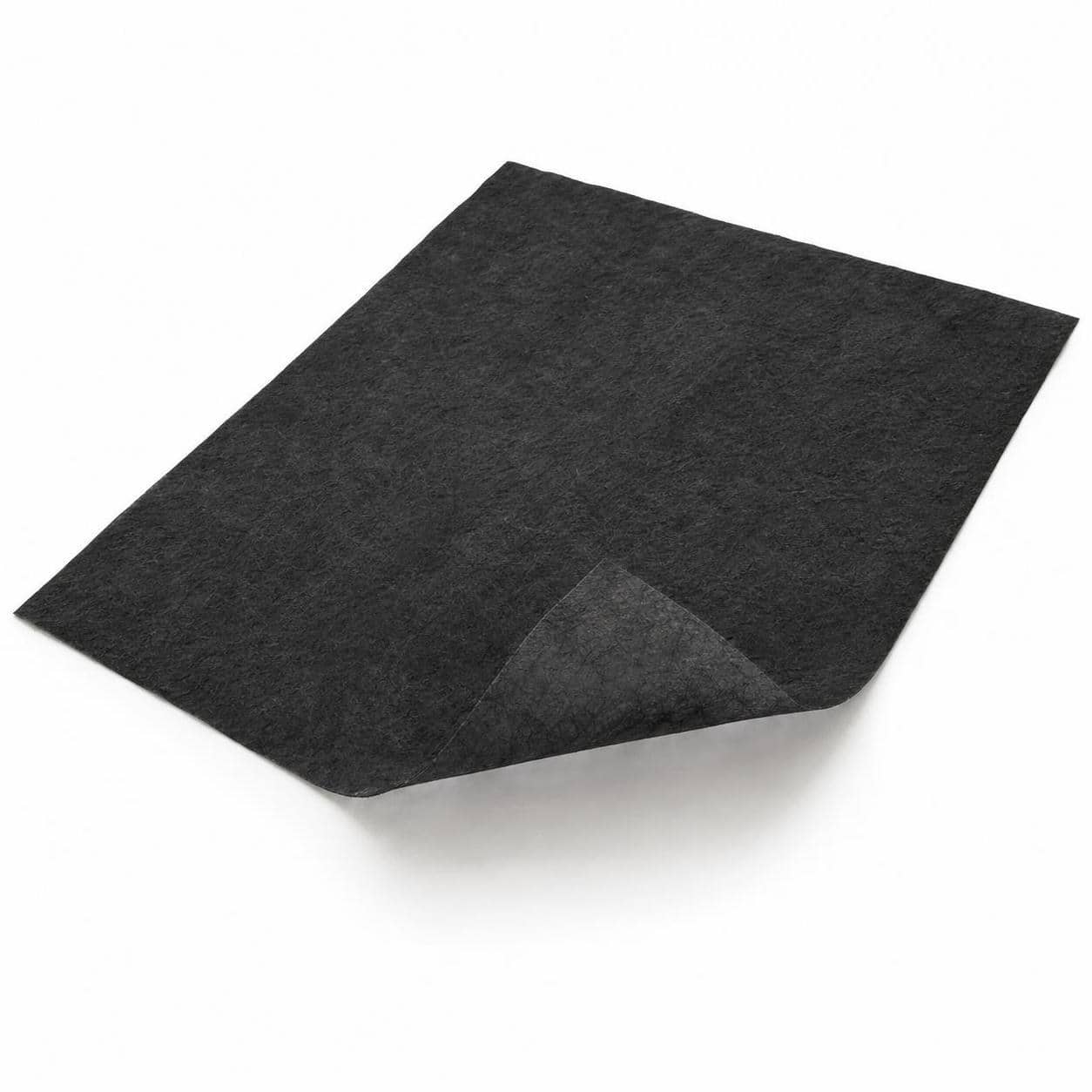
Fuel cells and advanced batteries need conductive, chemically stable layers that stay consistent across large production volumes. Thin carbon fiber mats provide the porous, conductive structure these electrochemical systems rely on for gas diffusion and current collection.
02
Typical Components
- Gas diffusion layers in hydrogen fuel cells
- Conductive layers in energy storage devices
- Electrode and separator support structures
- Thin functional layers requiring controlled porosity
03
Key Benefits
Porosity can be tailored for gas diffusion layer evaluation
Conductivity targets confirmed by grade and agreed test method
Chemical compatibility should be validated against the operating environment
Ultra-thin options from 10g/m² for fuel cell applications
Thickness tolerance confirmed in the agreed product specification
Pilot samples and scalable supply for qualification programs
04
What to Confirm When Selecting
Fiber performance depends on the finished part and process. Confirm these conditions with our engineers before choosing a grade.
Operating chemistry and the media the layer contacts
Target porosity, thickness, and conductivity behaviour
Test methods used to verify electrical performance
Volume ramp from pilot samples to production supply
Need a Custom Solution?
Our team can review carbon fiber mat specifications for your process.
Get a Free Quote