
玻璃纤维表面薄毡:选型与防腐层指南
按层压作用、玻璃类型、克重、粘结剂、树脂、卷材规格和验证方案选择玻璃纤维表面薄毡。
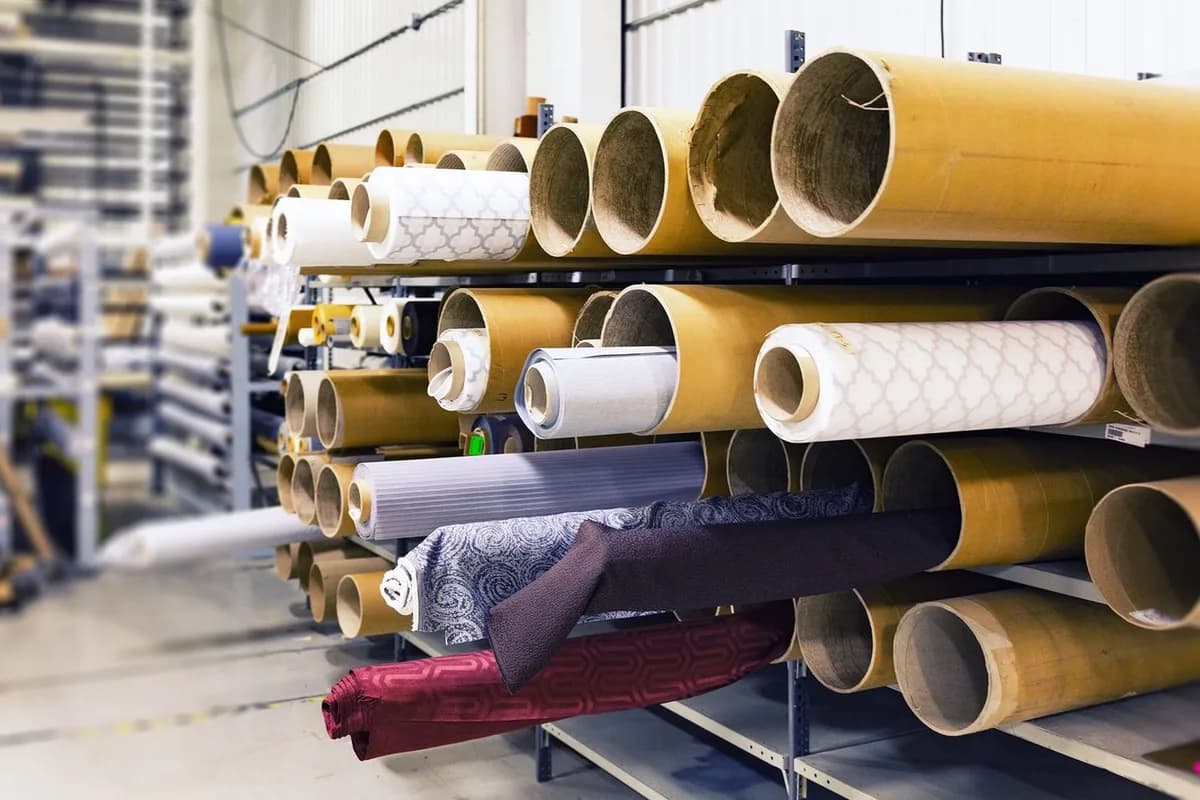
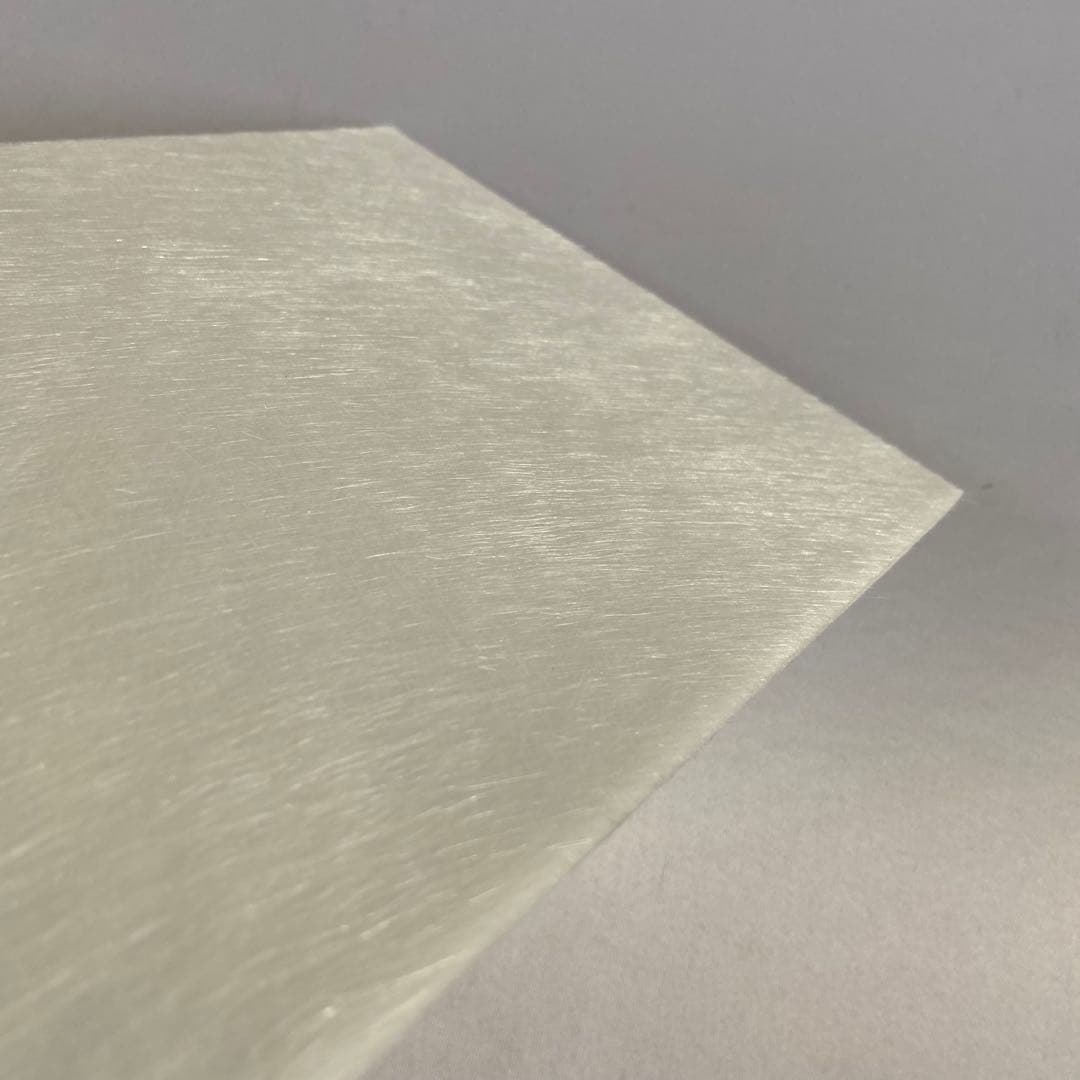
玻璃纤维表面薄毡也称玻纤面纱、表面面纱或表面毡,是铺放在 FRP 层压结构表面或近表面位置的薄型非织造层。它用于形成平整的富树脂表面、减弱粗增强材料的纹路透出,并增强防腐层内衬,但通常不承担主要结构载荷。
实用的采购原则很简单:按薄毡在层压结构中的作用、玻璃或纤维类型、克重、粘结剂或浸润剂、树脂体系、成型工艺、幅宽和验收试验进行说明。仅写“玻璃纤维薄毡”,不足以获得可比报价。
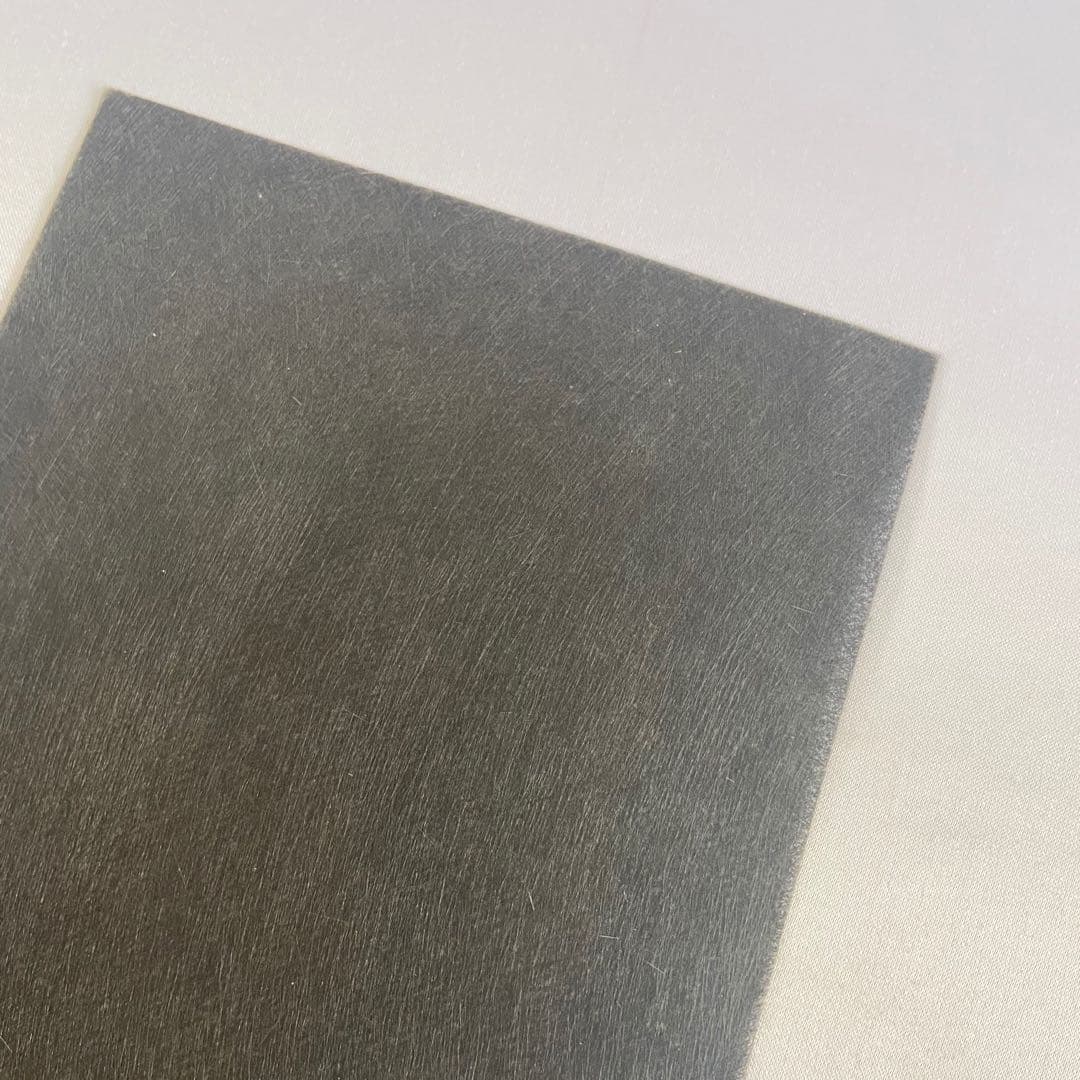
如果需要的是穿孔吸声板后方的黑色饰面层,其任务不同于形成 FRP 富树脂表面。可阅读黑色玻纤薄毡用于吸声板饰面的选材说明,先区分饰面、胶层与吸声芯材。
快速选型摘要
| 首要目标 | 薄毡需要完成的任务 | 首先确认的内容 |
|---|---|---|
| 模压外观面 | 减少粗纤维纹路,支持均匀表面 | 表面目标、模具或胶衣顺序、浸润质量 |
| 接触介质的防腐内衬 | 增强并稳定富树脂内层 | 化学介质、温度、树脂选择、面纱材质 |
| 外部耐候面 | 支持富树脂外表层 | 涂层或面漆、抗紫外体系、边缘处理 |
| 工艺载体或覆面 | 在缠绕、铺层或后加工中保持稳定 | 粘结剂、干态操作强度、幅宽、接头与卷绕质量 |
不能默认同一种薄毡适合表中所有任务。在某一树脂或工艺中操作良好的产品,换到另一体系后可能表现出不同的浸润行为。
玻璃纤维表面薄毡有什么作用
表面薄毡利用细而分散的纤维形成均匀轻质纤网。纤网被树脂浸透后,可承担三类不同作用。
1. 隔开可见表面与粗增强层
方格布、缝编织物和短切毡可能在层压板表面留下自身纹理。细薄面纱在这些增强材料与表面层之间形成过渡,有助于减弱织物纹路透出。最终外观仍取决于模具状态、胶衣、树脂收缩、固化制度、压实质量和层压设计。
2. 增强富树脂防腐层
在耐腐蚀 FRP 设备中,面纱可增强与介质接触的富树脂表层,并帮助控制该层。这里有一个重要边界:INEOS Derakane 制造指南指出,化学耐受性来自所选树脂体系;面纱用于支撑内衬,并帮助避免较粗的纤维伸出至暴露表面。
因此,面纱不能让不适用的树脂自动获得耐化学性。树脂选择、固化、厚度、缺陷、开孔部位和实际工况仍属于防腐层设计的一部分。
3. 为生产提供稳定的表面纤网
卷材均匀性有助于提高铺放、缠绕或后加工的一致性。采购时应关注干态操作、纤维分布、卷绕质量、边缘质量、接头,以及纤网在买方实际树脂中的浸润速度与均匀性。
表面薄毡不等于短切毡
“薄毡”“面纱”和“毡”有时会被混用,因此应比较实际结构,而不是只看名称。
| 形态 | 典型层压作用 | 相对结构 | 不应默认的能力 |
|---|---|---|---|
| 表面薄毡 / 面纱 | 表面、内衬、富树脂层 | 细纤维轻质非织造纤网 | 主要结构承载能力 |
| 短切毡(CSM) | 过渡层、增厚、分散增强 | 含粘结剂的较重随机短切纤维 | 单独获得精细外观面 |
| 机织或缝编织物 | 定向结构增强 | 有组织的纱线或无捻粗纱结构 | 在所有形状上都低透纹或易贴合 |
许多层压结构会同时使用三类材料:面纱位于表面,兼容的过渡层位于其后,结构增强材料则铺在更内侧。完整叠层可参考复合材料层压结构指南,结构形态差异可参考短切毡与方格布对比指南。
询价前需要说明的七个字段
1. 层压作用和暴露面
说明面纱用于模压外观面、接触介质的防腐内衬、外部耐候面、工艺载体还是其他功能。写明哪一面接触模具或使用介质,以及面纱在铺层顺序中的位置。
2. 纤维或玻璃化学类型
不能把“玻璃纤维”当作完整材质说明。防腐设计可能根据介质评估 C 玻璃、E-CR 玻璃、合成纤维或碳纤维面纱;通用 FRP 表面产品则可能使用其他玻璃类型。应由设计方或树脂供应商确认合格层压体系所需的面纱材质。
3. 克重和结构
写明标称 g/m² 及允许公差,但不要把克重当作完整规格。相同克重的两种薄毡,在纤维分布、厚度、孔隙、粘结剂、干态操作强度和树脂需求方面都可能不同。玻璃纤维织物克重指南说明了 GSM 能定义和不能定义的内容。
4. 粘结剂、浸润剂与树脂兼容性
粘结剂用于维持干态纤网;浸润剂和表面处理会影响加工及纤维—树脂界面。不要只问薄毡是否“兼容树脂”,而应写出具体树脂系列和工艺。如果供应商提供 PVA 或聚酯粘结版本,应索取与所选型号对应的技术资料,并用实际配方做浸润试验。更完整的 RFQ 框架见增强材料上浆与树脂兼容性指南。
5. 工艺和铺层条件
根据实际情况写明手糊、缠绕、灌注、拉挤、压制或后加工工艺。包括树脂粘度范围、操作温度、压实方式、表面朝向,以及薄毡是否需要跨越拐角或复杂曲面。平板试样表现合格的纤网,在生产模具上仍可能起皱或分离。
6. 卷材几何与包装
定义有效幅宽、卷长或卷径限制、纸管内径、边缘状态、允许接头数、卷绕方向、托盘方式和防潮包装。幅宽应围绕裁切或缠绕方案选择,而不能只看成品宽度。
7. 验收标准和文件
索取最新版技术数据表;按需要要求批次标识、质量证明、所声明的测试方法、储存说明和留样规则。把“表面平整”转化为可观察标准,例如纤维分布、孔洞、折痕、污染、边损、接头数量和已批准的固化参考板。
面纱在层压结构中的位置
不存在适合所有项目的统一铺层顺序,但以下简化示例有助于表达需求:
- 模压外观面:模具 / 脱模体系 → 胶衣或表面树脂 → 面纱 → 兼容过渡层 → 结构铺层。
- 接触介质的防腐面:使用介质 → 含面纱的合格富树脂内衬 → 防腐增强层 → 结构层压板。
- 外部表面:面漆或合格树脂层 → 面纱 → 结构层或背衬层。
这些是沟通示意,并非工程处方。实际设备或部件的材料、厚度、固化、检验和使用限制应由责任设计方确定。
实用的试样与验证方案
使用与量产相同的树脂批次、增强材料组合、模具状态和固化制度,并记录条件,不要依赖无法追溯的手工样片。
- 检查干卷:核对标签、批次、幅宽、边缘、卷绕、接头、污染和可见纤网均匀性。
- 进行浸润检查:记录浸润时间、夹气、纤维位移、撕裂、起皱以及在目标工艺中的操作表现。
- 制作参考层压板:使用计划中的胶衣、树脂、过渡层、结构增强材料和固化制度。
- 检查两侧表面:对照批准样板比较透纹、针孔、干斑、褶皱、粗纤维暴露和边缘表现。
- 测试使用要求:按责任工程师规定的方法进行化学暴露、耐候、涂层附着或其他工艺相关试验。
- 锁定批准结构:记录供应商、产品代码、批次、粘结剂或浸润剂型号、克重、卷材规格、树脂、固化制度和验收结果。
对于防腐层,仅通过外观试样还不够;对于装饰板,泛泛的耐化学性表述也不能证明所需外观。
玻璃纤维表面薄毡 RFQ 模板
可把以下内容复制到询价中,并替换方括号:
- 应用 / 部件:[储罐内衬、面板表面、管道、屋面或其他]
- 薄毡作用和位置:[表面效果、防腐内衬、外表面、工艺载体]
- 纤维 / 玻璃类型:[指定类型,或由供应商提供有依据的建议]
- 克重和公差:[g/m²]
- 粘结剂 / 浸润剂:[已知型号或兼容性要求]
- 树脂和工艺:[树脂牌号,手糊 / 缠绕 / 灌注 / 其他]
- 使用条件:[化学品、浓度、温度、耐候条件或外观目标]
- 卷材和包装:[幅宽、卷长或卷径、纸管、接头限制、包装]
- 质量 / 文件:[TDS、CoA、批次追溯、样品、所声明的测试方法]
- 数量和交付地:[试样与量产需求]
泽宇森当前玻璃纤维表面薄毡产品页列出了多种克重和粘结剂选项。下单前应确认当前可供型号及其技术资料,不要把不同型号的数据拼接成一个规格。
常见选型错误
- 只按 GSM 选择,未核对粘结剂、玻璃类型、孔隙或卷材结构。
- 把表面薄毡当作结构增强材料的替代品。
- 未说明树脂和固化条件,却把耐腐蚀性归因于面纱。
- 把轻质面纱和重得多的短切毡视为同一层压作用进行比较。
- 只批准平板外观试样,而生产中实际存在拐角、接缝、缠绕张力或开孔。
- 在采购规格中漏掉接头、边缘、纸管、储存和批次文件要求。
下一步
先比较可供的玻璃纤维薄毡与面纱产品,再按上述 RFQ 字段向泽宇森提交需求。防腐项目应提供化学介质和树脂选型依据;外观项目应提供表面参照与完整铺层顺序。
相关指南
常见问题
它通常承担表面、内衬或加工功能,而不是主要承载。结构能力应来自经过设计并有工程数据支持的增强材料组合。
不一定。克重会改变纤网和树脂需求,但防腐层表现还取决于面纱材质、树脂、厚度、固化、缺陷、铺层顺序和介质条件,应验证完整体系。
不能默认兼容。应确认粘结剂和浸润剂型号、供应商兼容性说明,并使用准确的树脂配方进行代表性工艺试验。
应批准产品代码与卷材规格、所需文件、代表性固化板、客观表面或防腐层标准,以及纤维、粘结剂、浸润剂或生产地点发生变化时的变更控制规则。

作者
泽宇森纤维技术团队
专注于玻纤毡、碳毡和除湿转轮成型纸的工业选材与工艺评估。