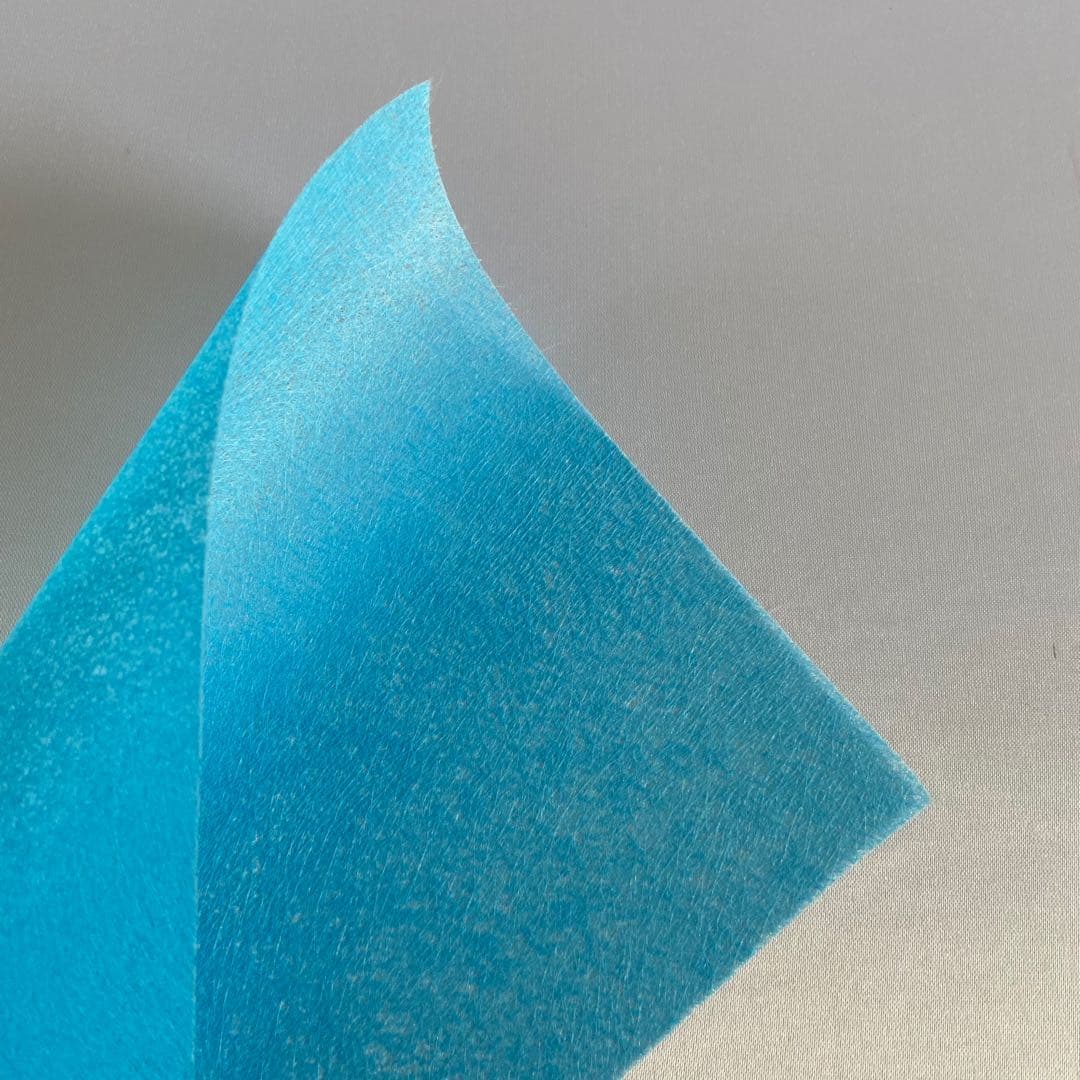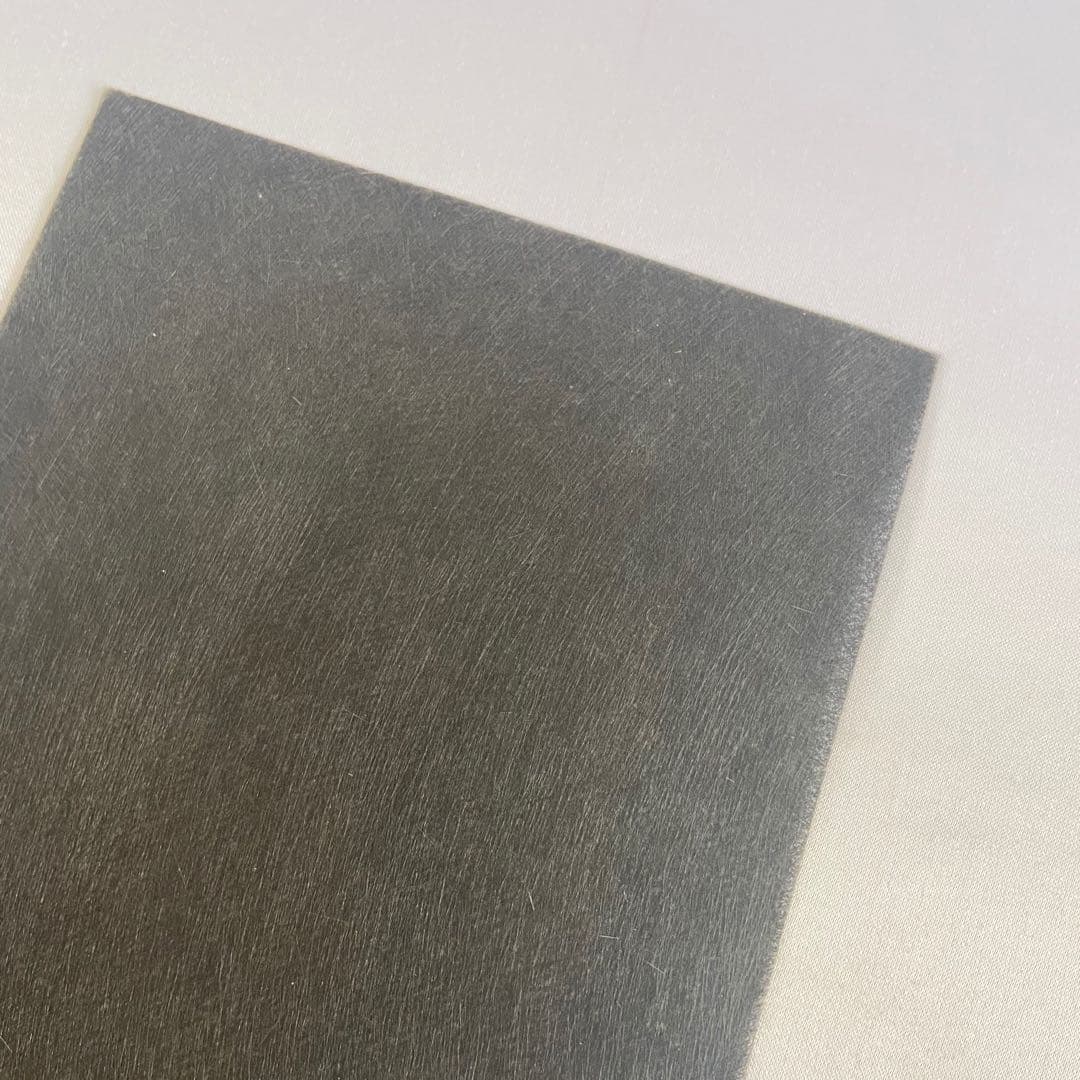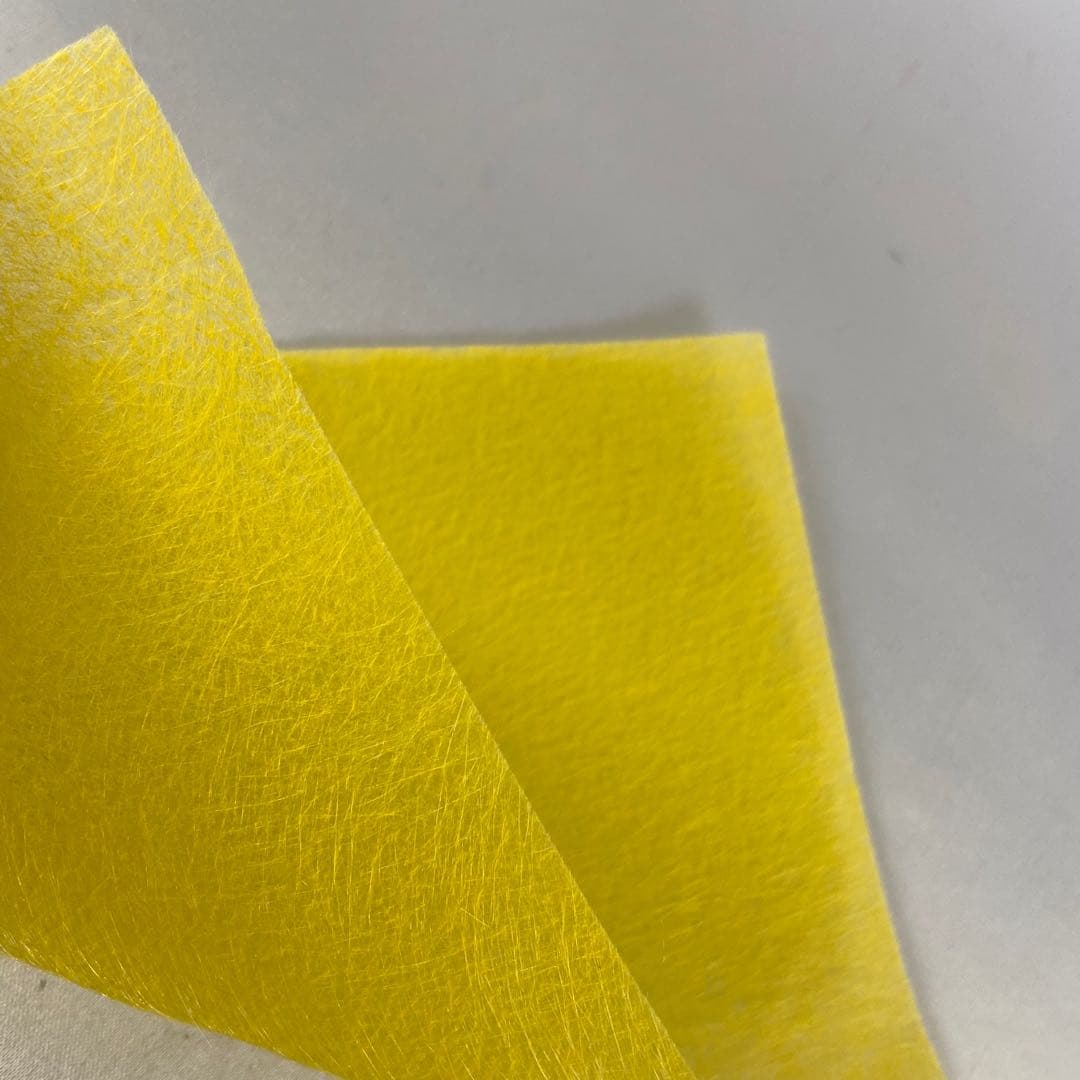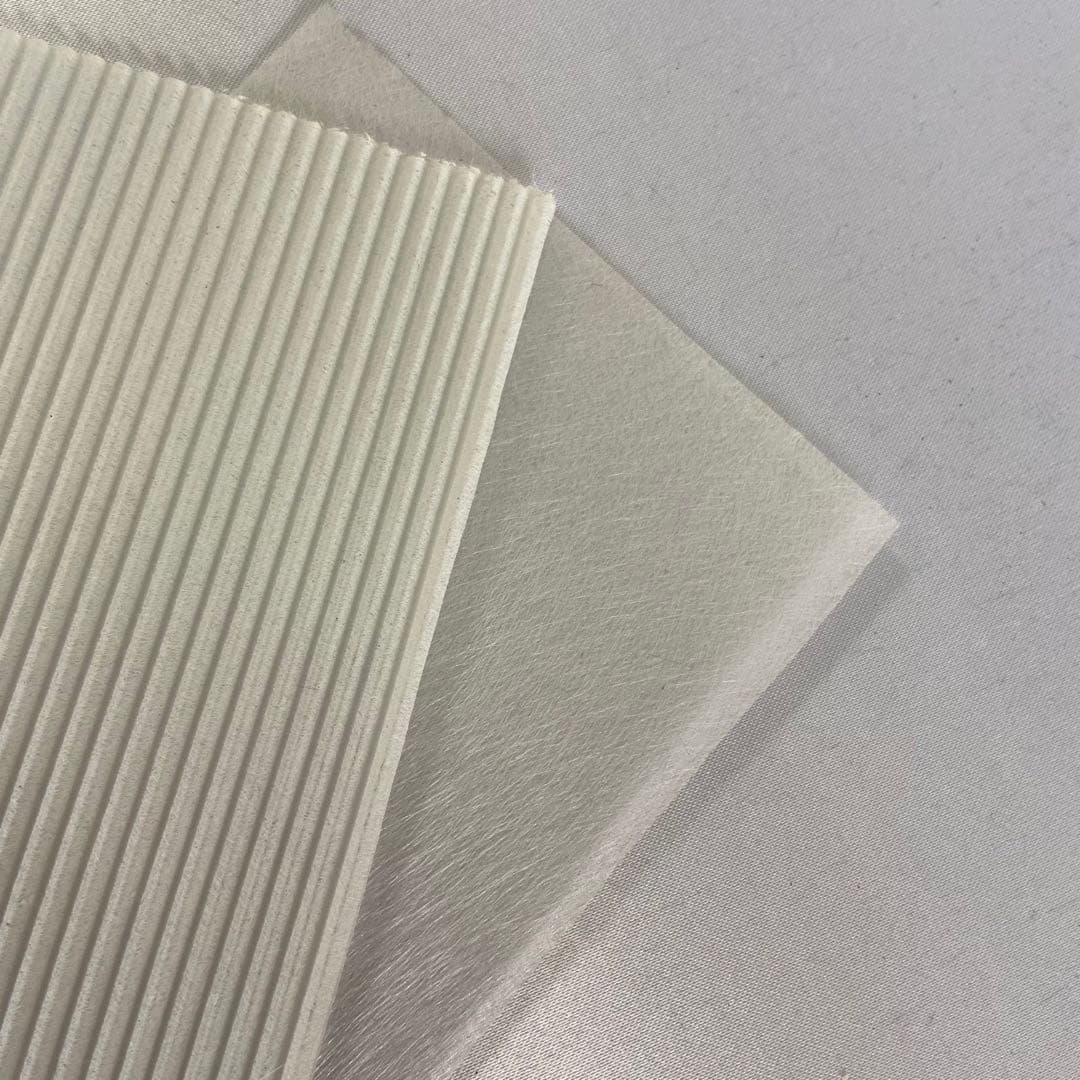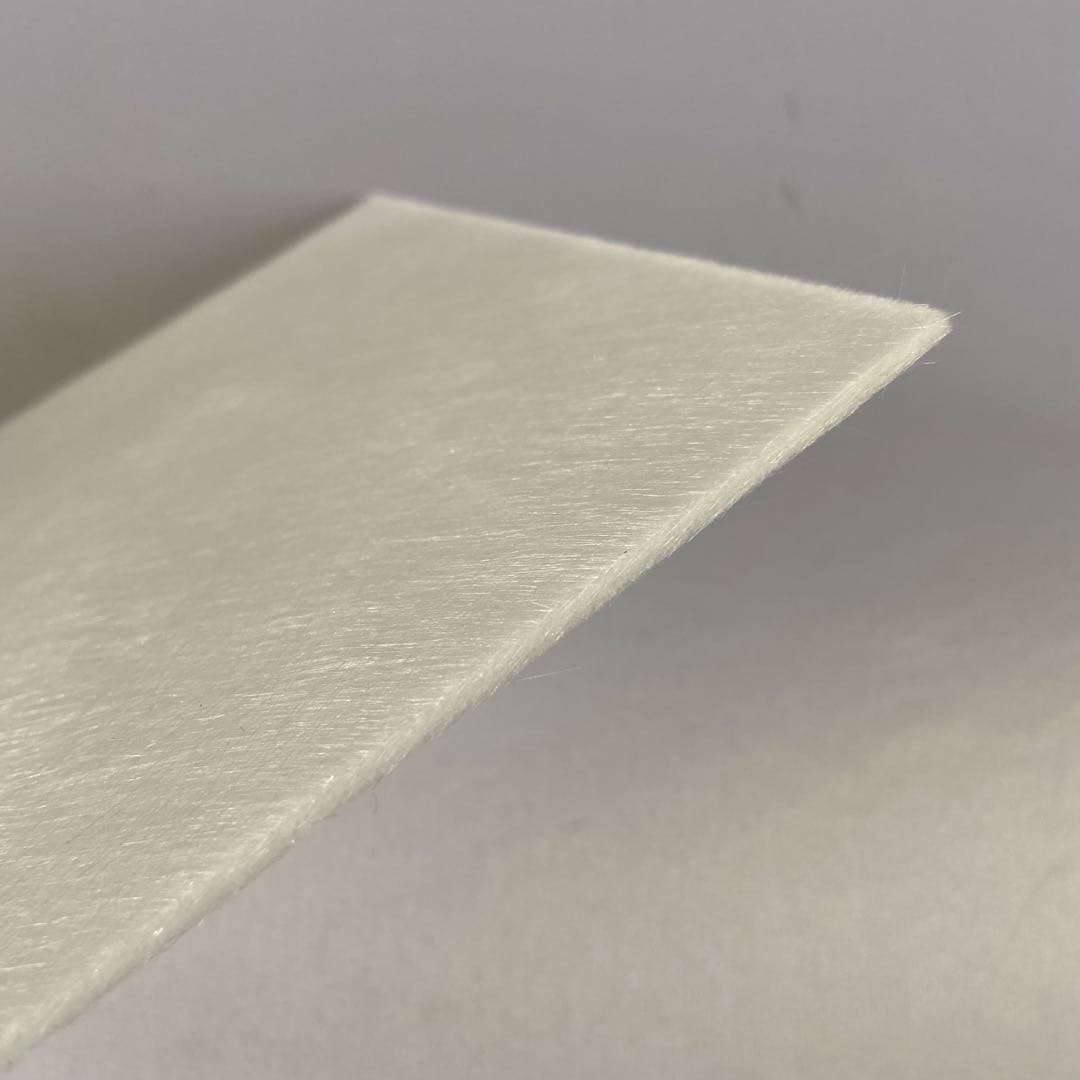
Glass Fiber Battery Separator
Glass fiber separator used in AGM/lead-acid batteries as separator material between positive and negative plates, providing electrolyte absorption and ion conductivity.
Key Features
- High porosity for electrolyte absorption
- Chemical resistance to acid environments
- Good mechanical strength
- Uniform fiber distribution
Overview
Glass fiber battery separator is a wet-laid E-glass material used between the positive and negative plates of AGM (absorbent glass mat) and lead-acid batteries. Its high porosity absorbs and retains electrolyte while allowing ions to pass freely, enabling the electrochemical reaction while physically preventing the plates from short-circuiting.
The separator must survive the acidic environment inside a battery, so chemical resistance is essential, alongside good mechanical strength to withstand assembly and the pressure of compressed plate stacks. Uniform fiber distribution ensures consistent electrolyte absorption and even ion conductivity across the cell, which supports stable battery performance and service life.
Used in AGM batteries, traditional lead-acid batteries, and energy-storage cells, the separator is a critical functional component rather than a structural reinforcement. Its porosity, chemical durability, and uniformity directly affect the capacity and reliability of the finished battery.
Specifications
| Parameter | Value |
|---|---|
| Material | E-glass Fiber |
| Process | Wet-laid |
| Function | Ion Conductivity |
| Application | AGM / Lead-acid Batteries |
Applications
Frequently Asked Questions
What role does the glass fiber separator play in a battery?
It sits between the positive and negative plates, absorbing and retaining electrolyte while allowing ions to pass, which enables the reaction and prevents the plates from short-circuiting.
Why is high porosity important?
High porosity lets the separator absorb a large volume of electrolyte and supports even ion conductivity across the cell, which is essential for stable AGM and lead-acid battery performance.
How does it withstand the battery environment?
The E-glass material is chemically resistant to the acidic electrolyte and has good mechanical strength to survive assembly and the pressure of compressed plate stacks.