Fiberglass Surface Tissue Mat
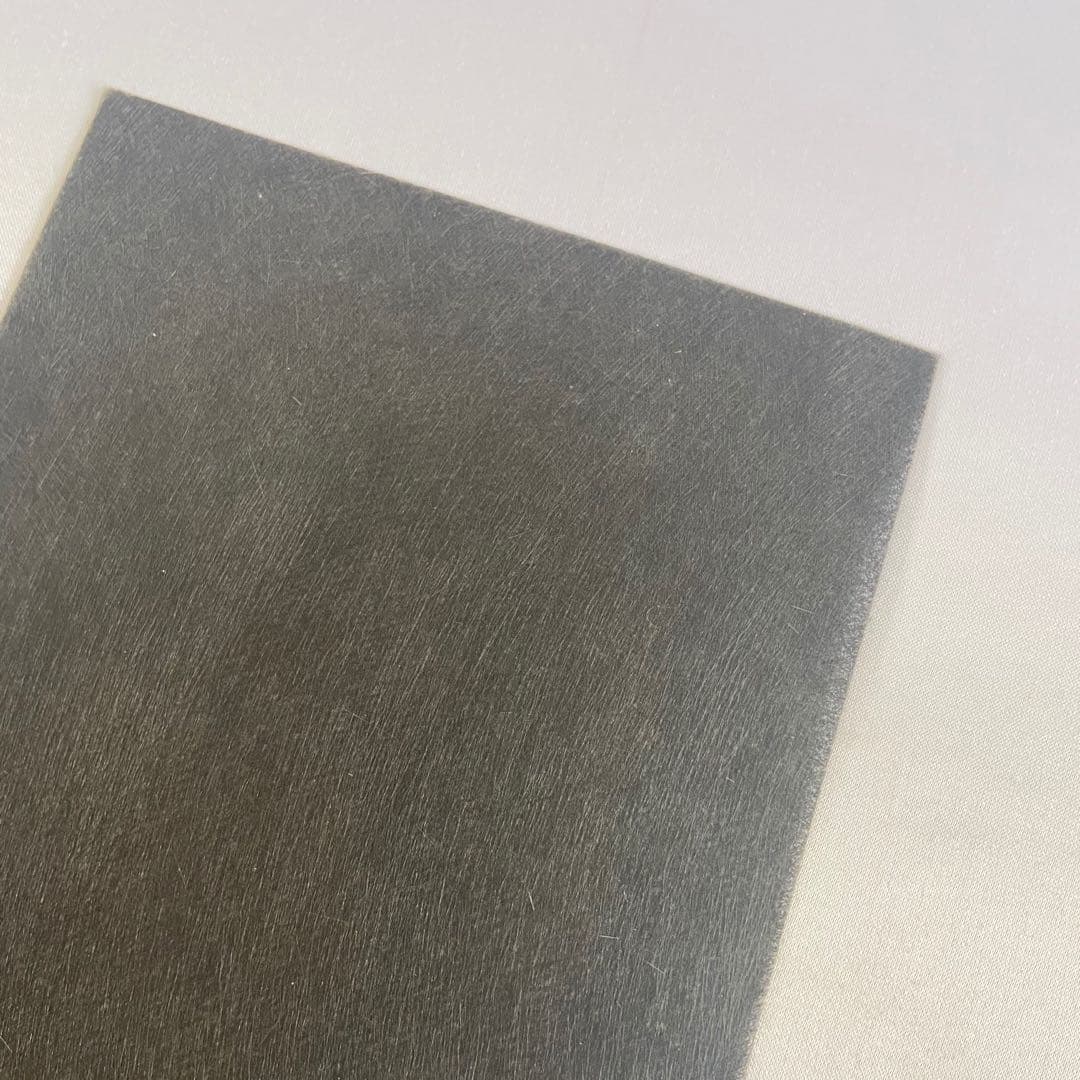
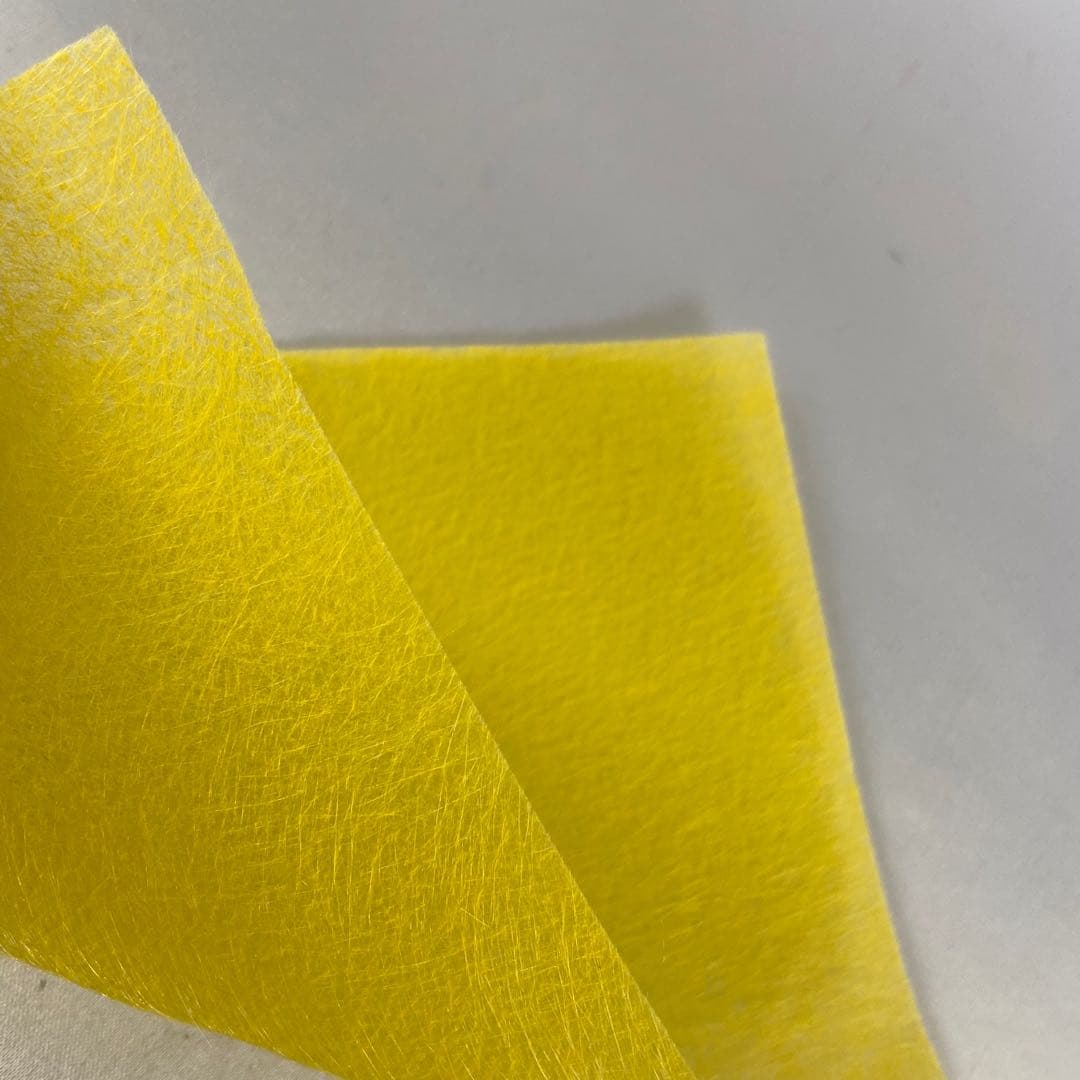
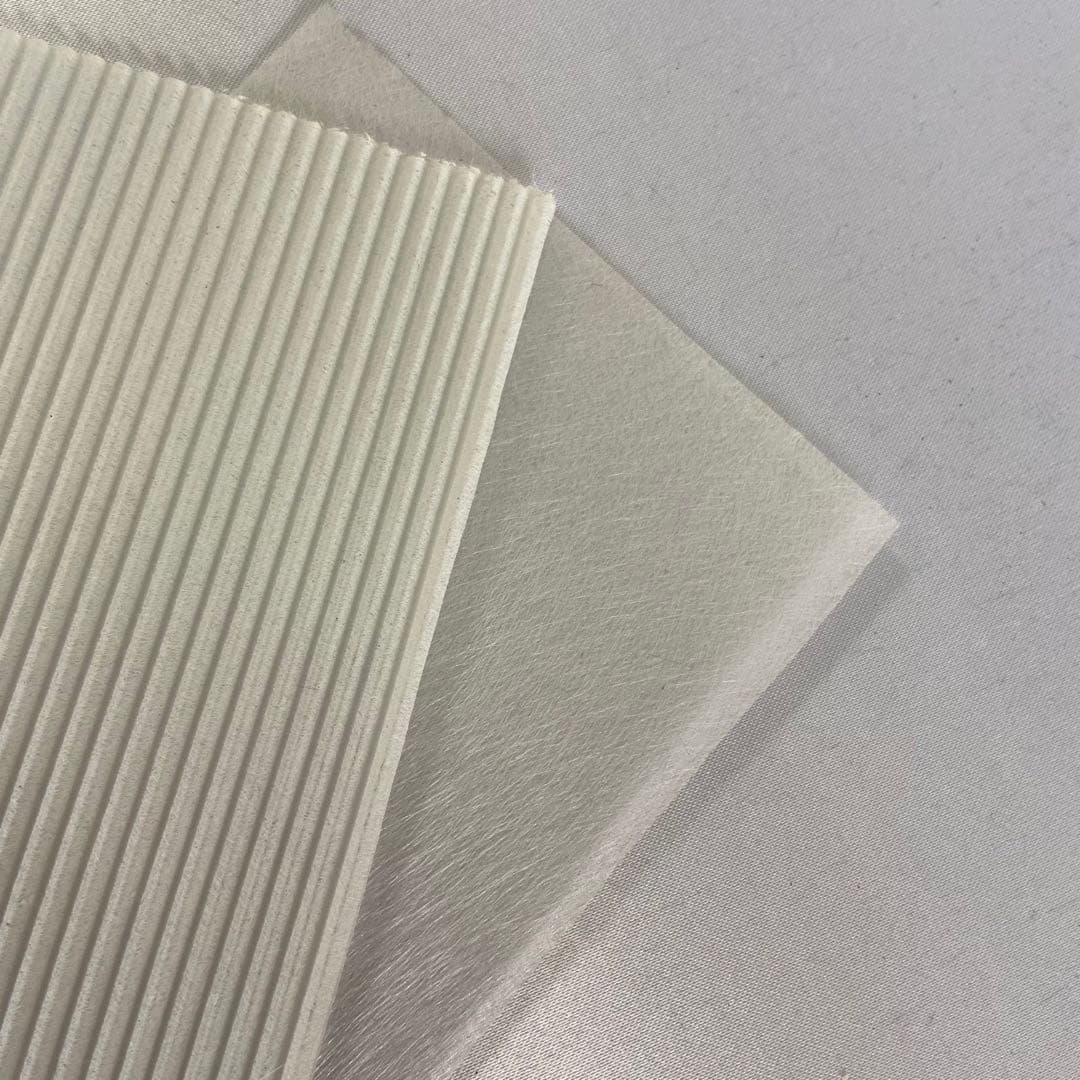
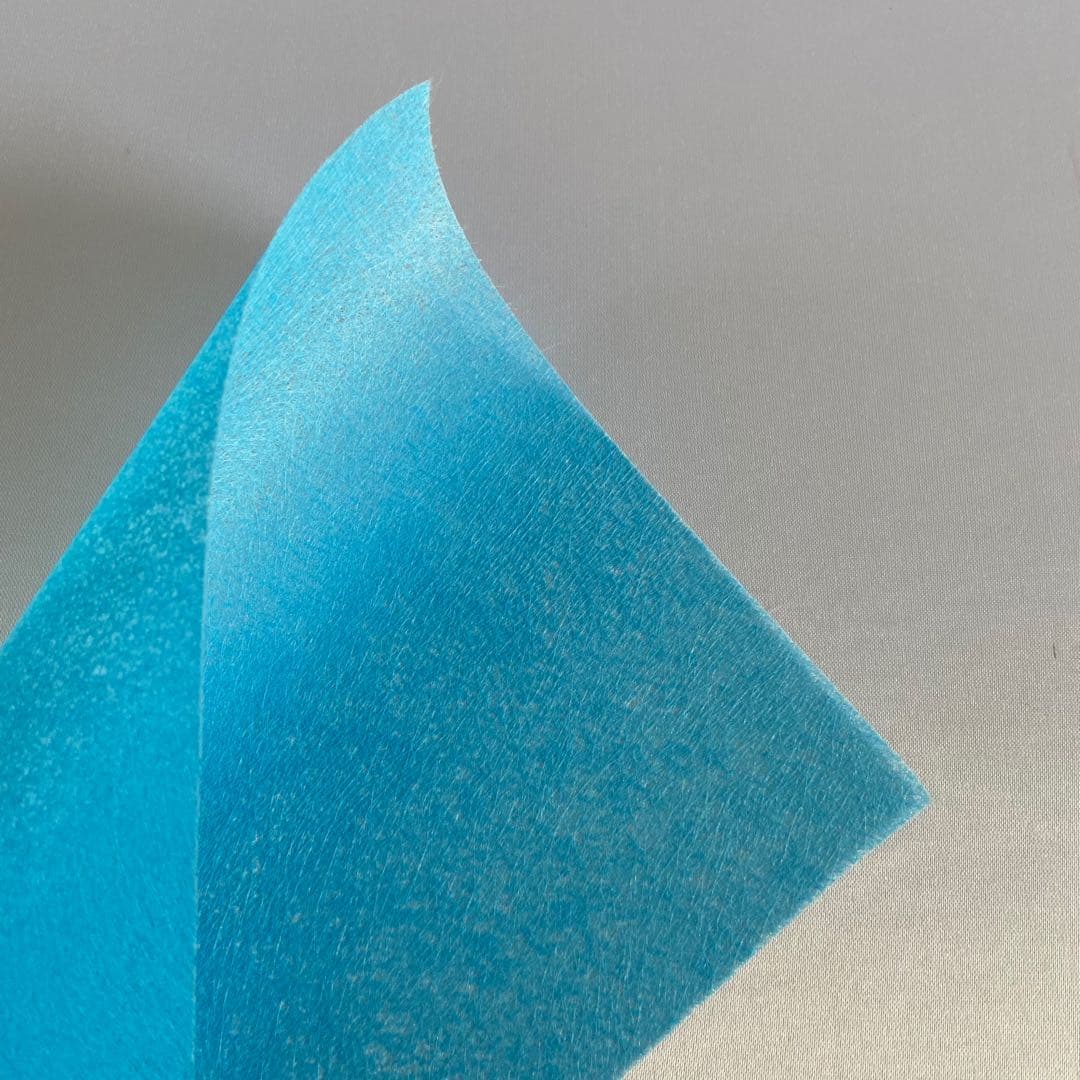
Surface tissue mat with uniform fiber distribution, smooth surface, and fast resin penetration. Available in winding and hand-laid series for FRP products.
Key Features
- Uniform fiber distribution
- Fast resin penetration
- Smooth surface finish
- Winding and hand-laid series
Overview
Fiberglass surface tissue mat is a thin, wet-laid veil applied as the outermost layer of FRP products to create a smooth, resin-rich surface. Its uniform fiber distribution and fast resin penetration produce a finish that hides the coarse texture of structural reinforcement beneath and improves corrosion and weather resistance on the part surface.
Available in winding and hand-laid series and in weights from 10g up to 300g, the tissue suits a wide range of FRP processes, from pipe and tank winding to manual lay-up of panels and moldings. The veil wets out quickly and conforms to the mold, leaving a consistent gel-coat-ready surface that resists fiber print-through and microcracking.
Bonded with PVA or polyester binders depending on the resin system, the surface tissue is a standard finishing layer wherever a clean, durable composite surface is required. It pairs with polyester, vinyl ester, and epoxy resins commonly used in FRP manufacturing.
Specifications
| Parameter | Value |
|---|---|
| Weight | 10g / 30g / 50g / 300g |
| Process | Wet-laid |
| Binder | PVA / Polyester |
| Application | FRP Surface Layer |
Applications
Frequently Asked Questions
What does a surface tissue mat do in an FRP laminate?
It forms a thin, resin-rich outer layer that creates a smooth surface, hides the texture of structural reinforcement, and improves corrosion and weather resistance while preventing fiber print-through.
What weights are available?
Surface tissue is offered from 10g up to 300g, in both winding and hand-laid series, so it can be matched to the process and finish requirements of the part.
Which binder should I choose?
The tissue is available with PVA or polyester binders. The choice depends on the resin system being used, with polyester binders commonly paired with polyester and vinyl ester resins.