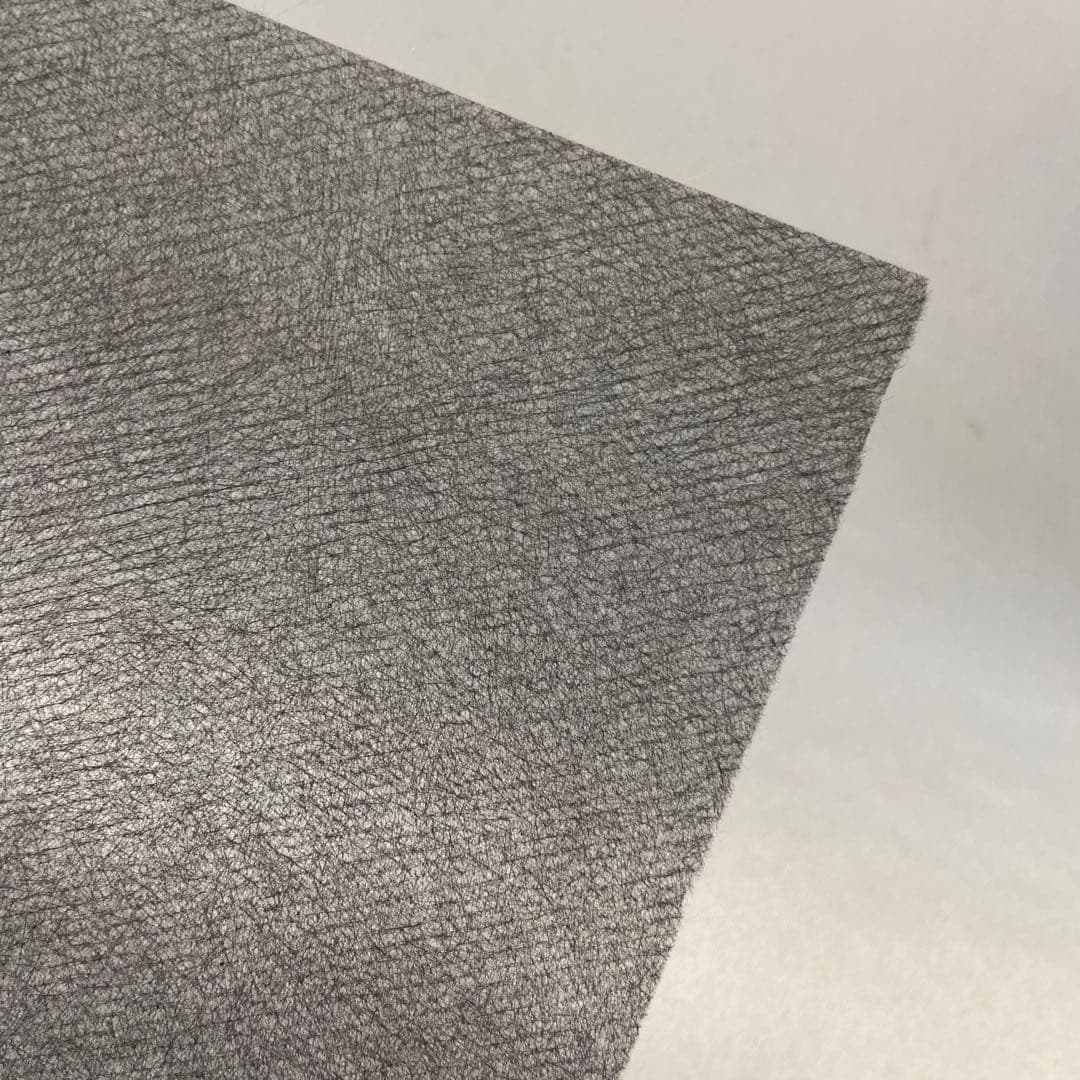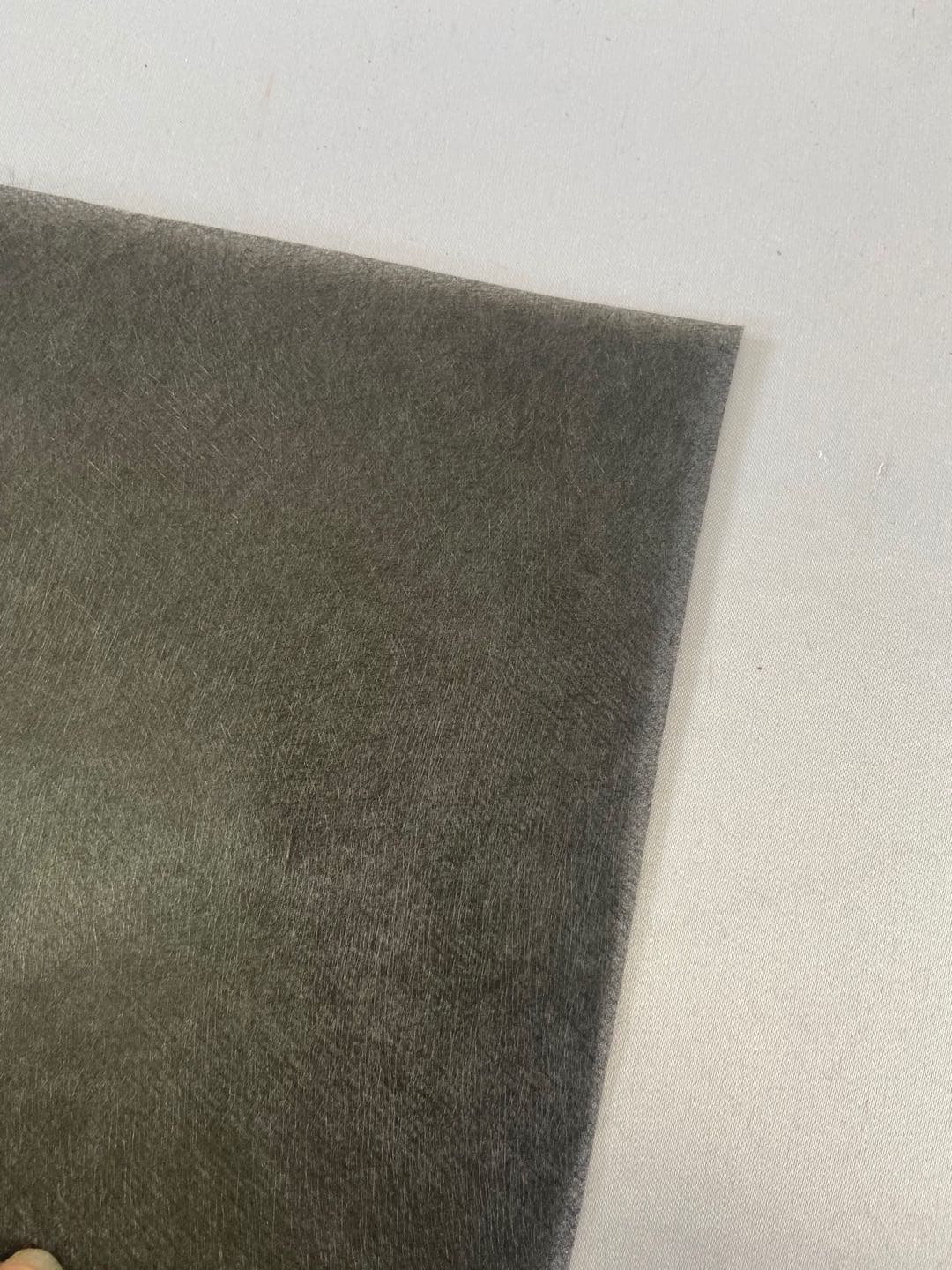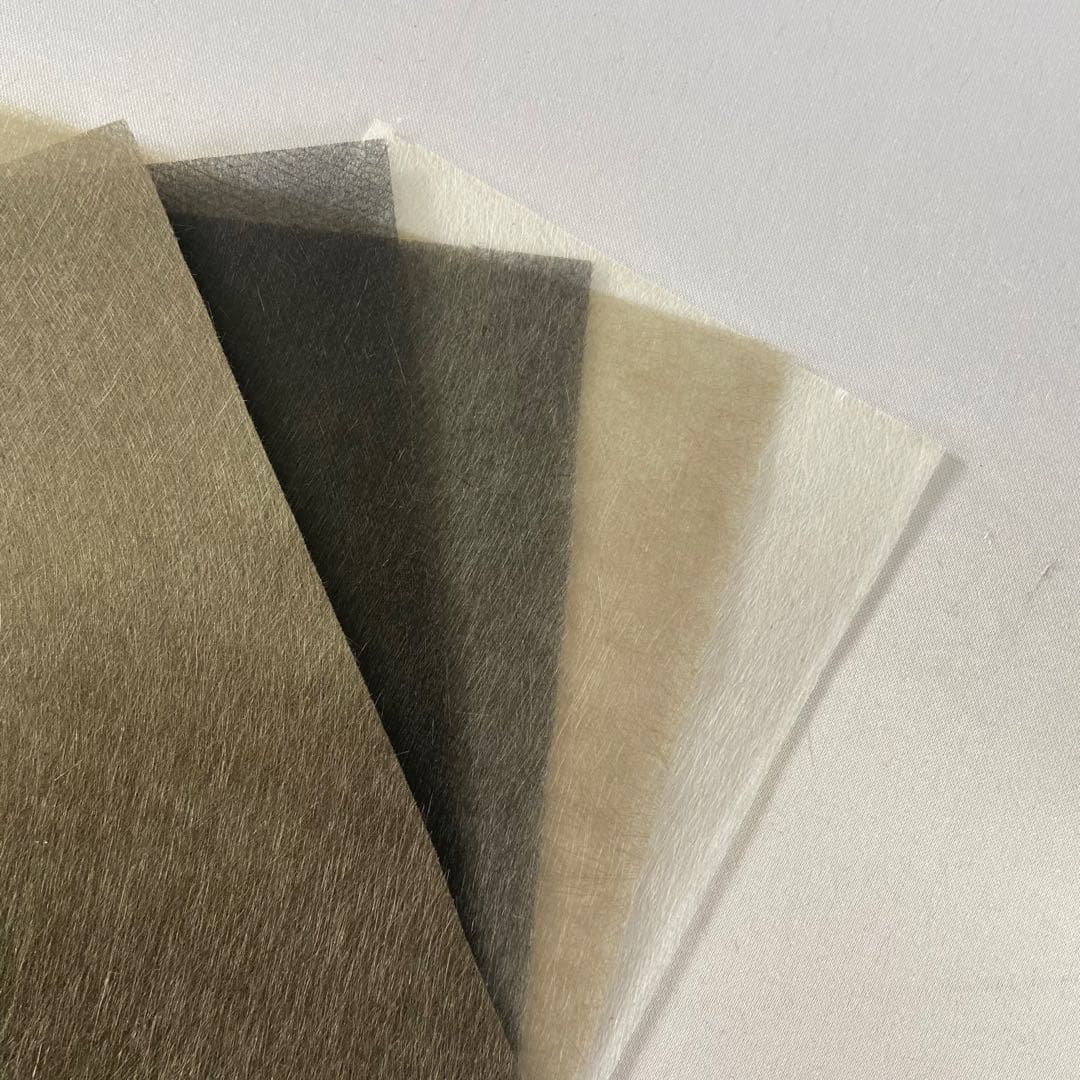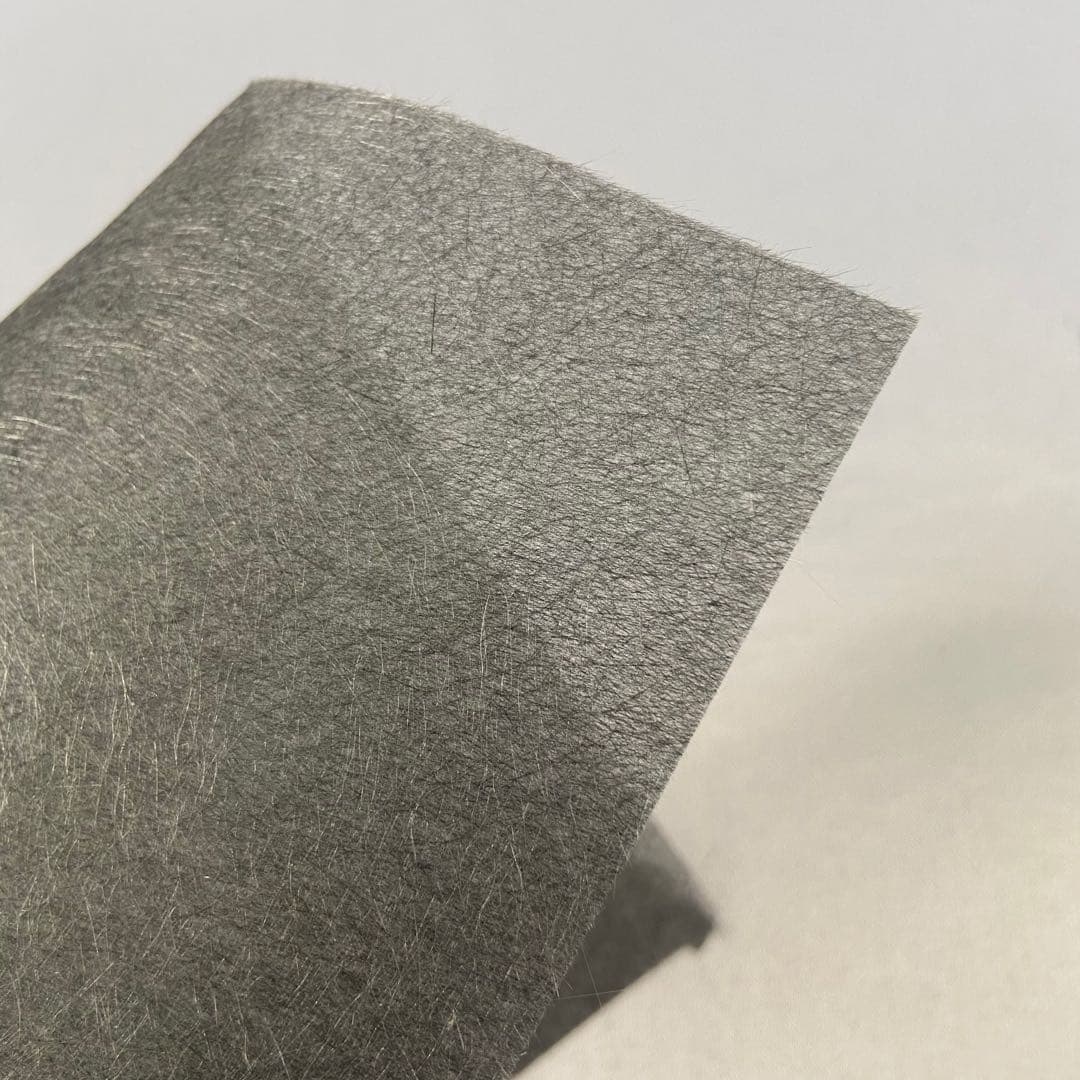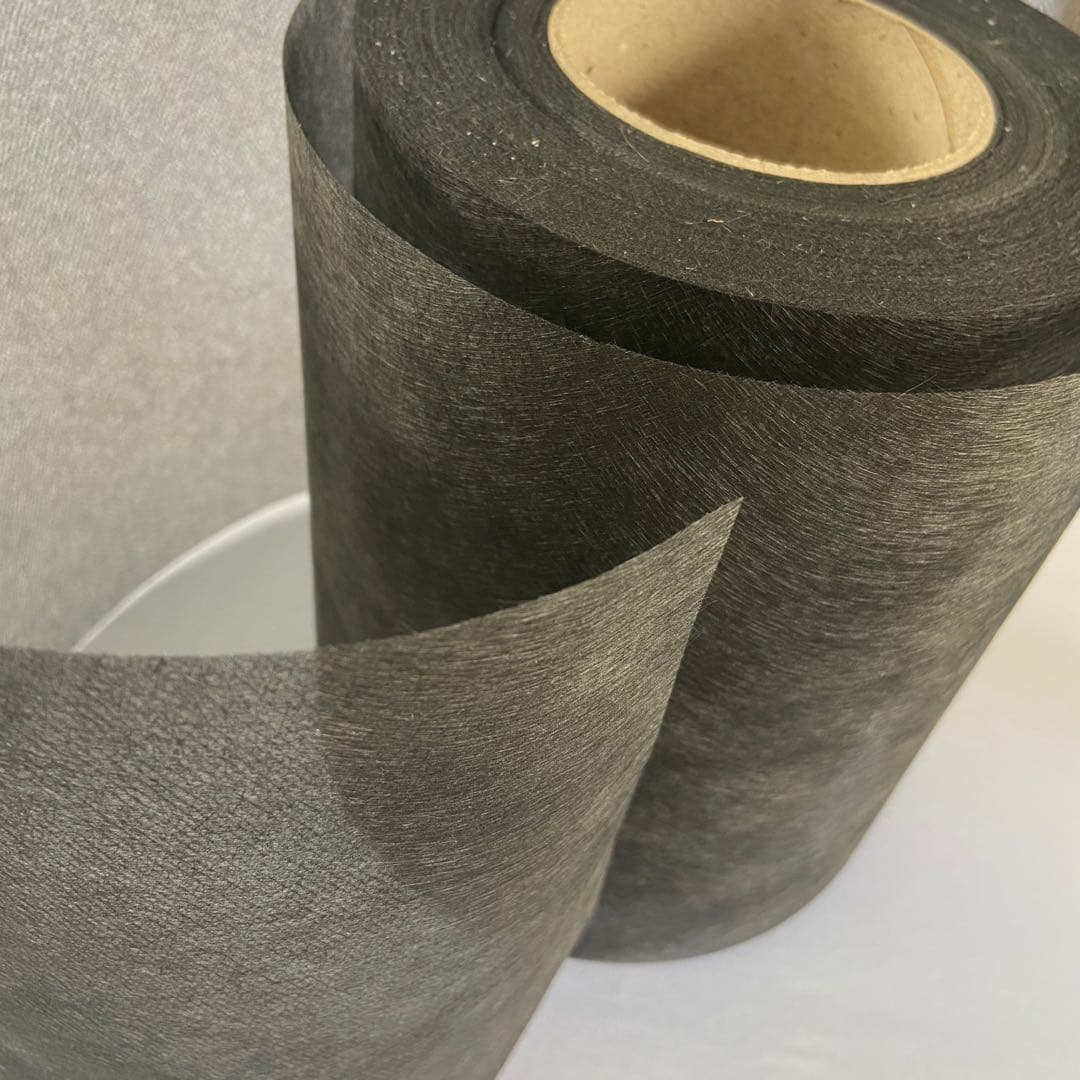
Carbon Fiber Surface Mat 30g
30g carbon fiber surface felt with excellent electrical conductivity. Uses fine carbon fiber as raw material, lightweight while maintaining strength, flexible and adaptable to different surface shapes.
Key Features
- Excellent electrical conductivity
- Low density, high strength
- Lightweight (30g/m²)
- Flexible, adaptable to different shapes
- High recycling value and durability
Overview
The 30g/m² carbon fiber surface felt is made from fine carbon fiber to combine excellent electrical conductivity with low density and high strength. Its lightweight, flexible construction lets it conform to different surface shapes, making it easy to apply over contoured molds, tubes, and complex geometries where a rigid material would not drape.
The continuous carbon network provides reliable electrostatic discharge and EMI shielding, which is why the felt is used for electronic equipment grounding, anode tubes, and shielding layers. Its conductivity dissipates static charge evenly across a surface, protecting sensitive electronics from discharge events and external electromagnetic fields.
In addition to its electrical functions, the felt offers high recycling value and durability, contributing to a longer service life and more sustainable composite construction. It integrates into standard FRP processes and bonds well within laminates used for molds and industrial enclosures.
Specifications
| Parameter | Value |
|---|---|
| Weight | 30g/m² |
| Material | Carbon Fiber |
| Function | Conductive, EMI Shielding |
| Application | Electronics, Moulds, Anode Tubes |
Applications
Frequently Asked Questions
What applications suit the 30g carbon surface felt?
It is used for electrostatic discharge, EMI shielding, electronic equipment grounding, and as a conductive layer in molds and anode tubes, thanks to its conductivity and flexible, conformable structure.
How does it dissipate static charge?
The continuous carbon fiber network conducts charge evenly across the surface, dissipating static and protecting sensitive electronics from discharge events.
Can the felt conform to curved surfaces?
Yes. Its low density and flexibility allow it to adapt to different surface shapes, including contoured molds, tubes, and complex geometries.