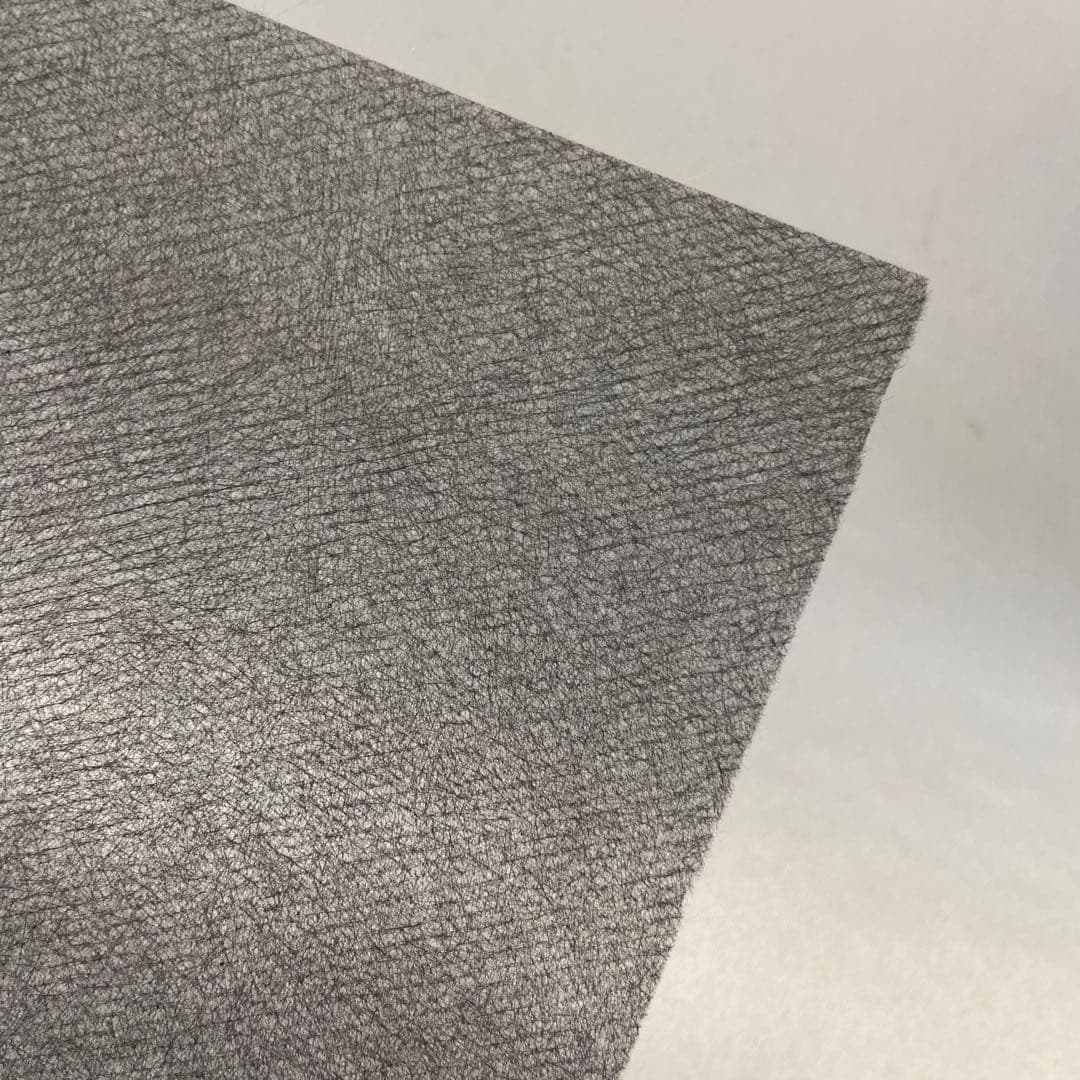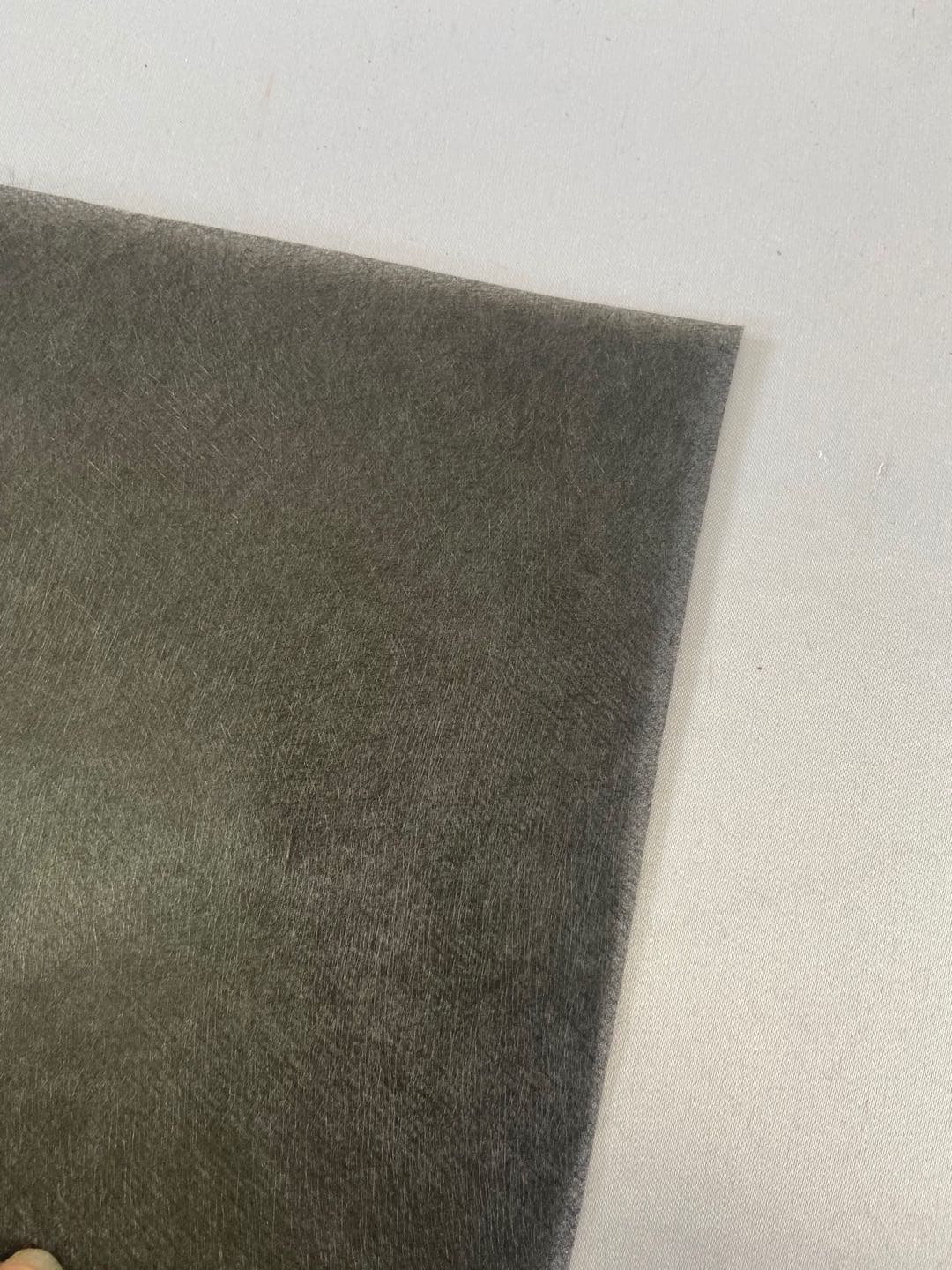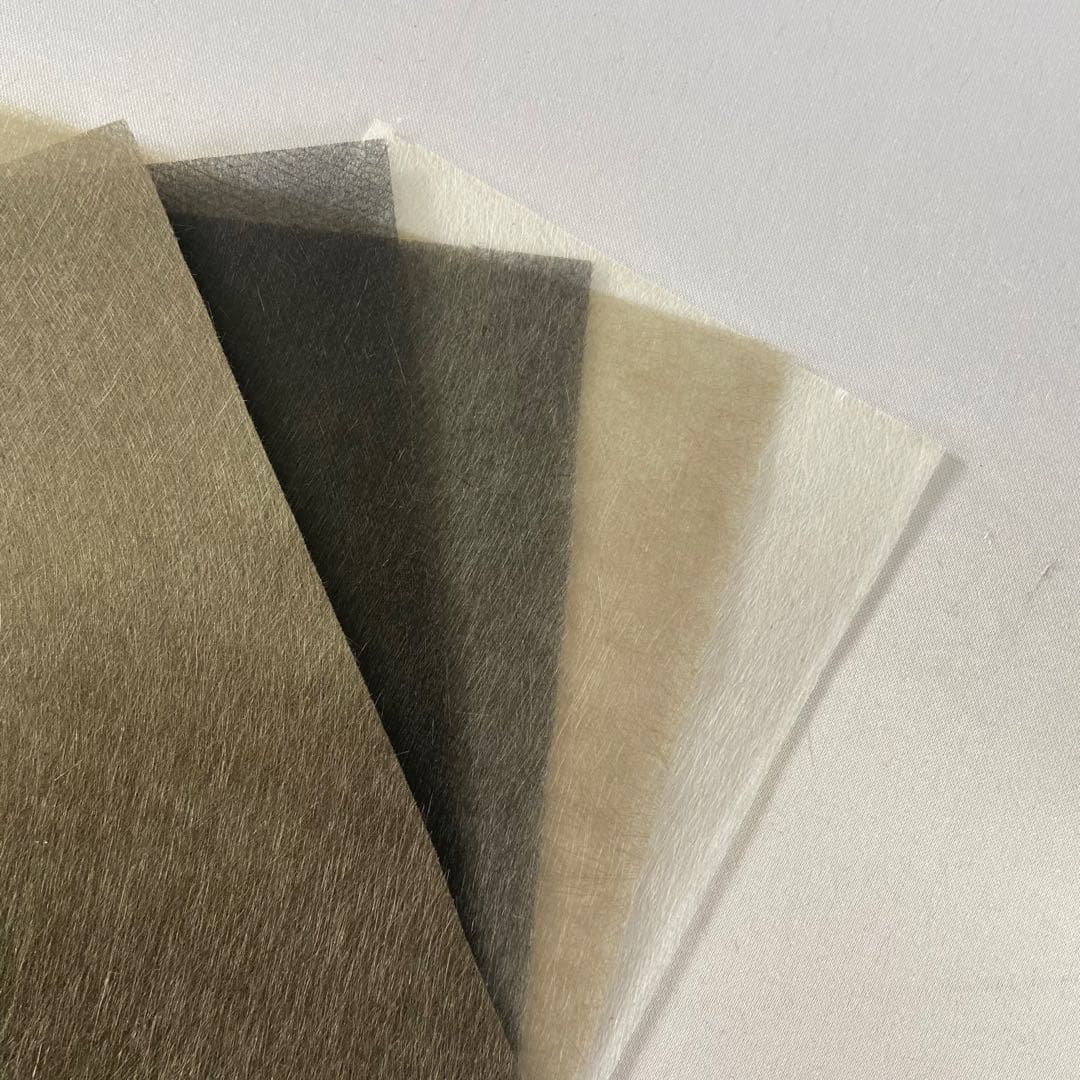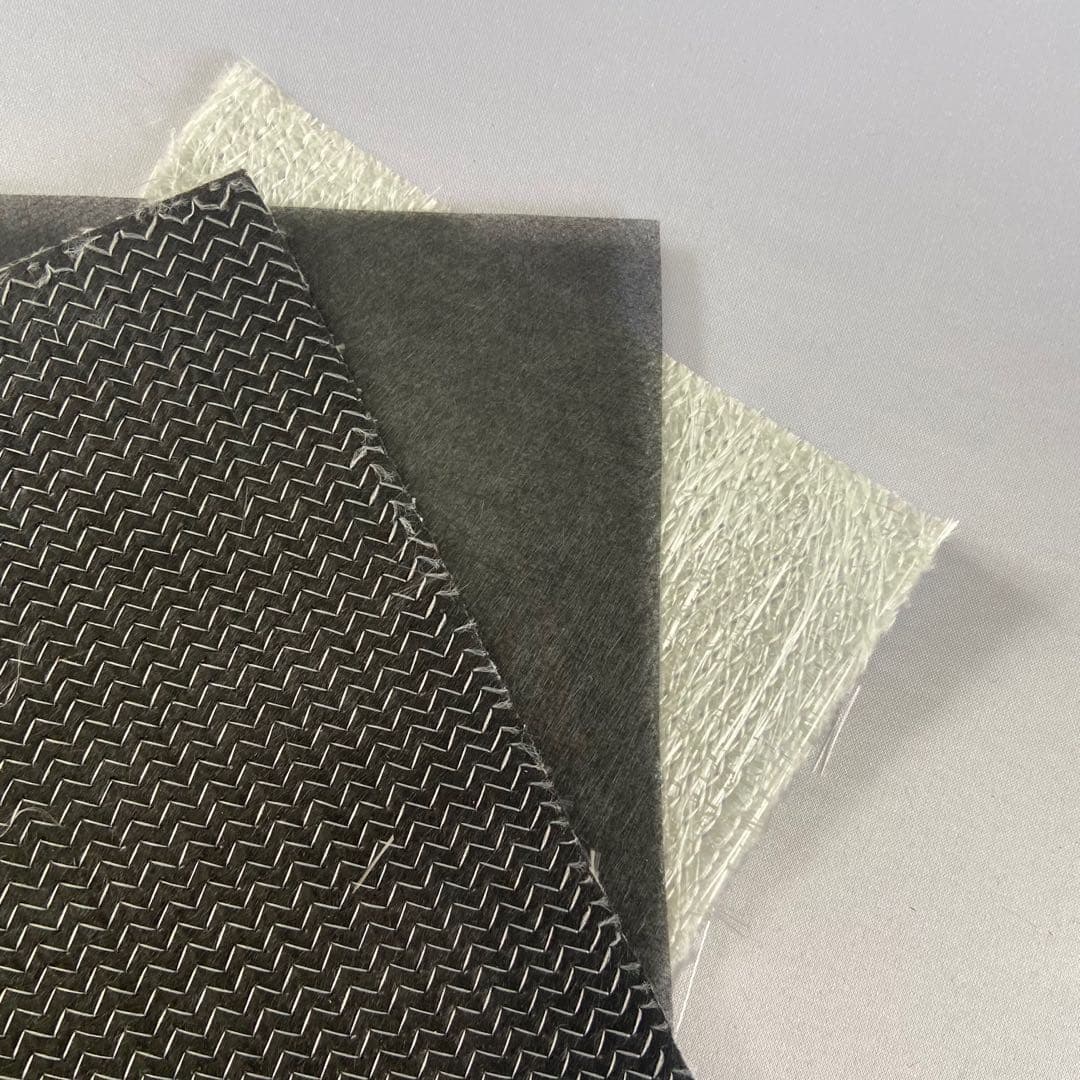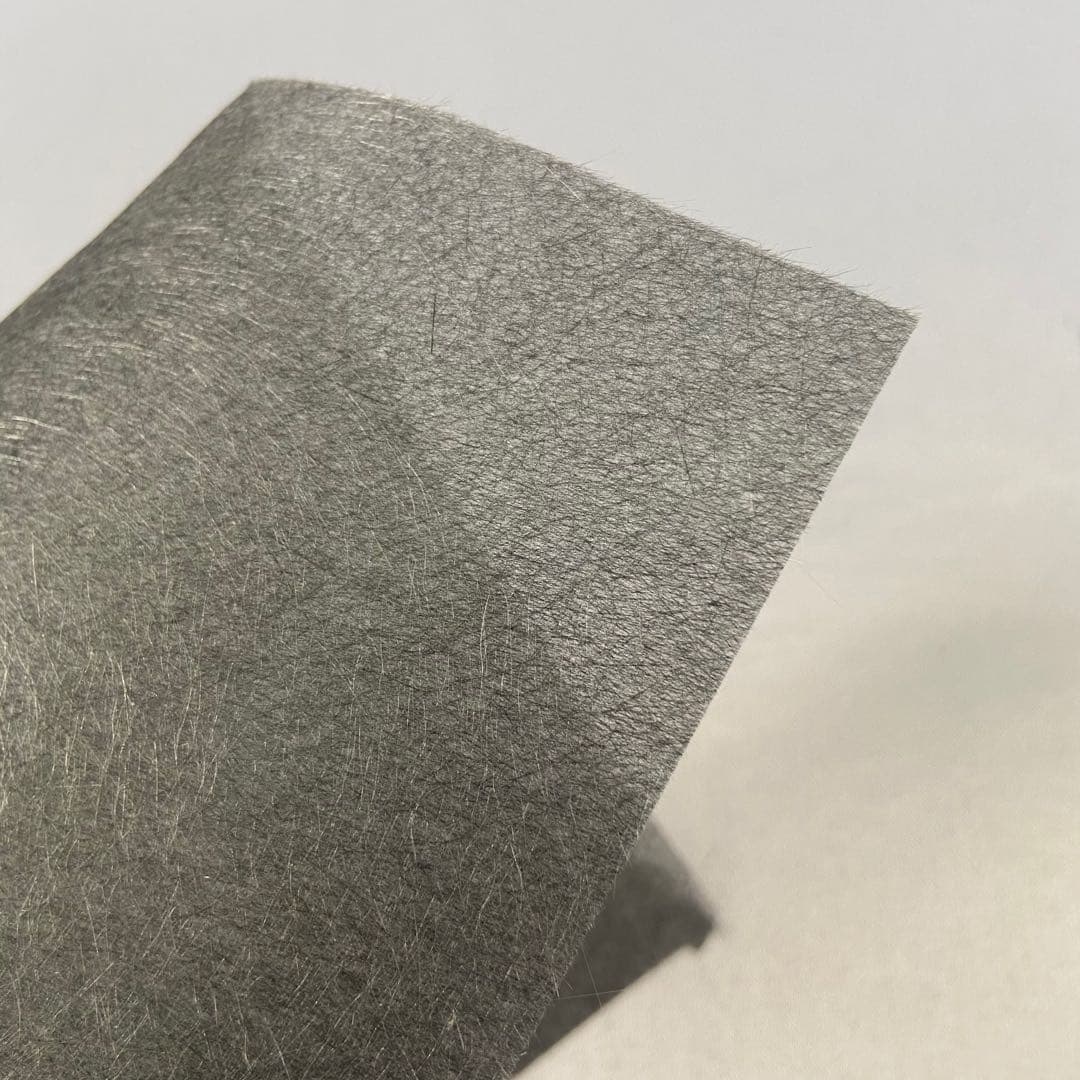
Carbon-Glass Hybrid Mat
30g/m² carbon-glass hybrid mat balancing conductivity, cost, and process flexibility for electric heating and wind energy applications.
Key Features
- Carbon-glass hybrid structure
- Cost-effective conductivity
- Electric heating compatible
- Wind energy applications
Overview
The carbon-glass hybrid mat blends carbon and glass fibers at 30g/m² to deliver useful electrical conductivity at a lower cost than an all-carbon veil. By combining the conductive carbon network with the economy of glass fiber, it offers a practical middle ground for projects that need conductivity but cannot justify the price of a full carbon mat.
It is widely used in electric heating and wind energy applications, where the hybrid structure provides enough conductivity for heating or charge dissipation while the glass content adds dimensional stability and reduces material cost. The mat handles and wets out much like a standard surface veil, so it drops into existing FRP processes without special tooling.
Because it balances performance, cost, and process flexibility, the carbon-glass hybrid mat is a sensible choice for high-volume parts and large surfaces where an all-carbon solution would be uneconomical. It works with common thermoset resins and is compatible with hand lay-up and infusion.
Specifications
| Parameter | Value |
|---|---|
| Weight | 30 g/m² |
| Material | Carbon Fiber + Glass Fiber |
| Function | Conductive |
| Application | Electric Heating, Wind Energy |
Applications
Frequently Asked Questions
Why choose a carbon-glass hybrid mat over pure carbon?
The hybrid offers useful conductivity at a lower cost than an all-carbon mat. It is ideal when a project needs conductivity and dimensional stability but does not require the full performance of pure carbon fiber.
What conductivity level does the hybrid mat provide?
It provides moderate conductivity, sufficient for electric heating, charge dissipation, and many wind energy applications, while the glass content keeps cost down and adds stability.
Is the hybrid mat compatible with standard FRP processes?
Yes. It handles and wets out like a standard surface veil and works with hand lay-up and infusion using common thermoset resins.