Carbon Fiber Plain Cloth
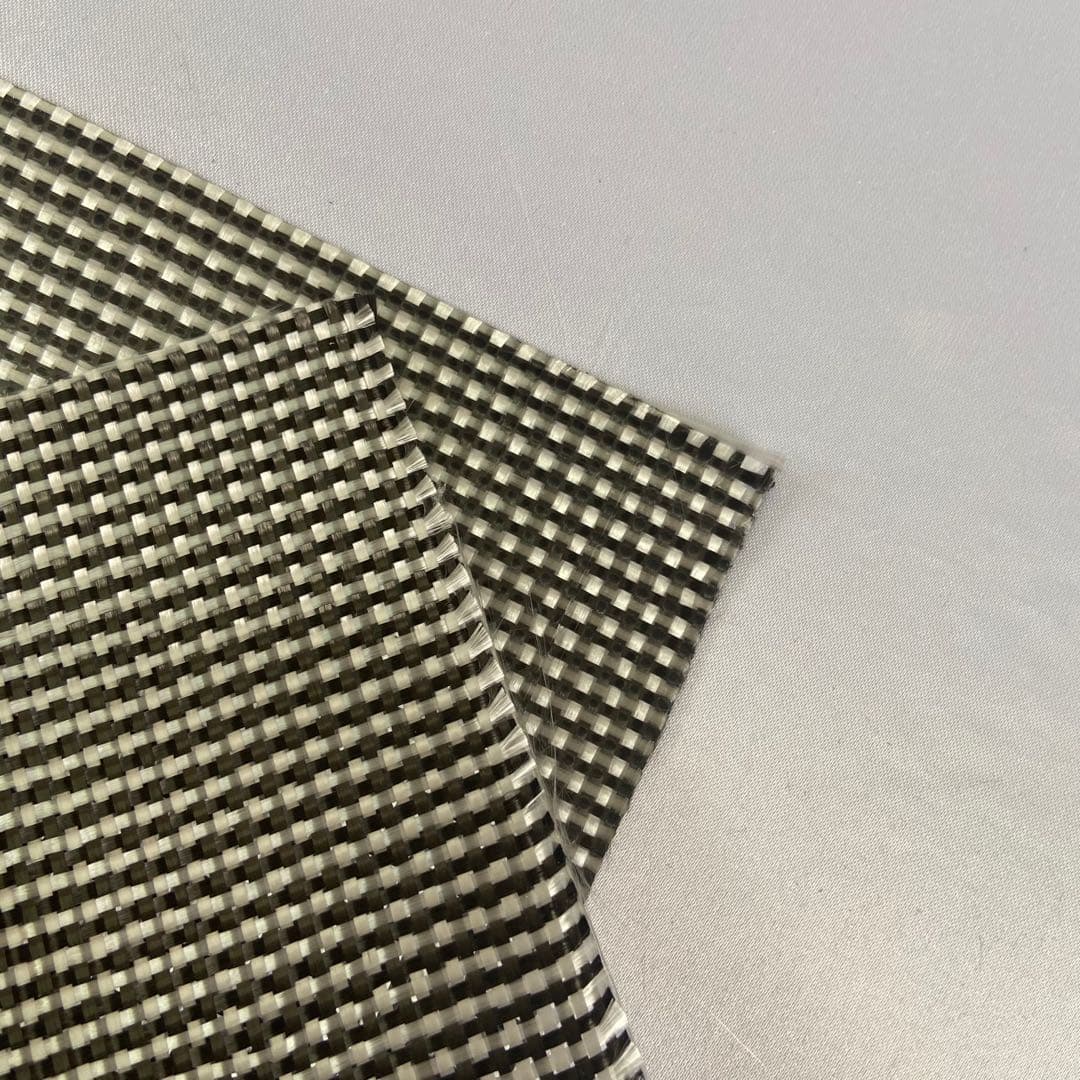
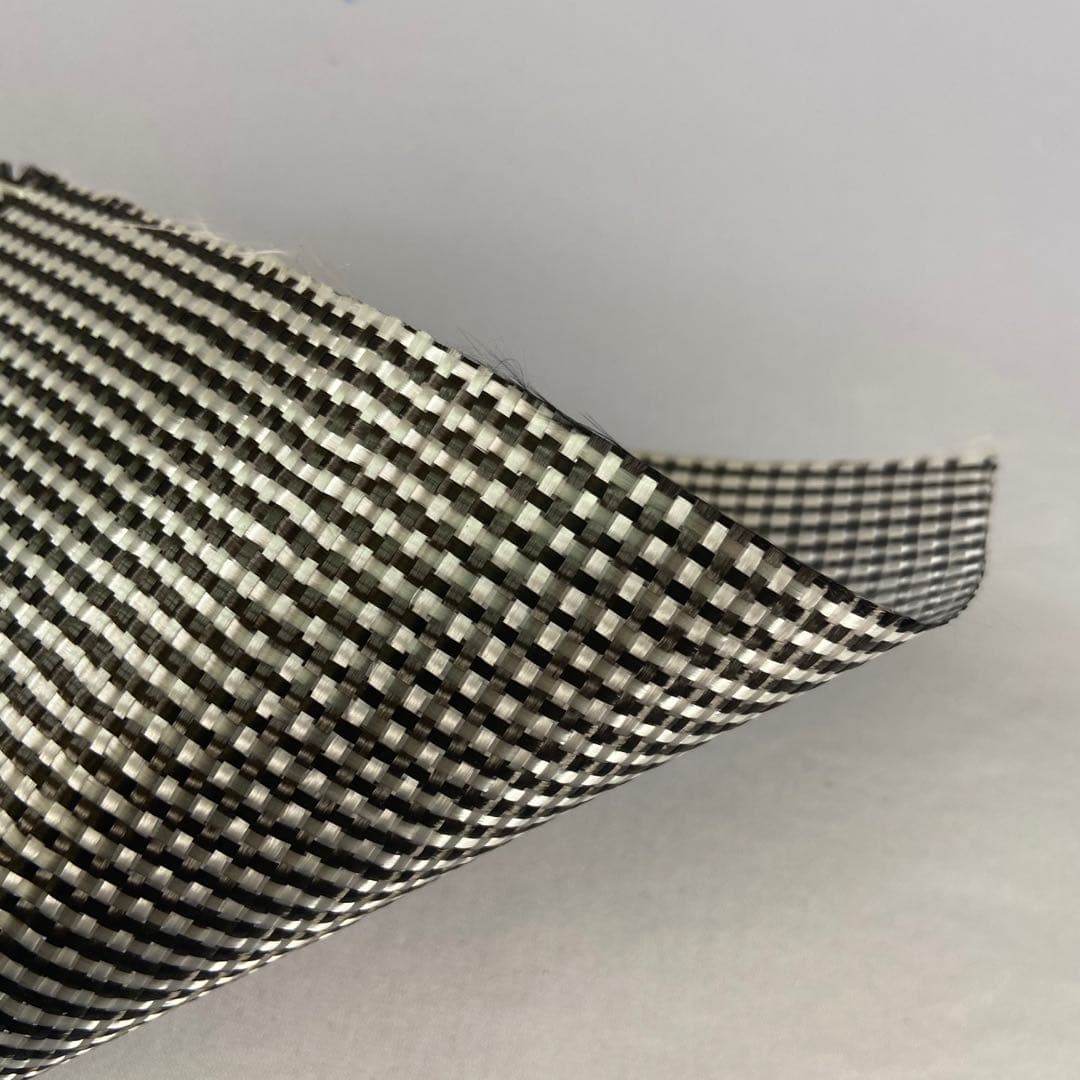
200g/m² carbon fiber plain weave cloth with T300 grade. Balanced structure provides equal strength in both directions, ideal for flat panel applications.
Key Features
- Plain weave pattern
- T300 grade carbon fiber
- Balanced bi-directional strength
- Flat panel optimized
Overview
The carbon fiber plain cloth is a 200g/m² T300-grade fabric woven in a simple over-under plain pattern. This is the most tightly interlaced weave, giving the fabric a stable, balanced structure with equal strength in the warp and weft directions, which makes it ideal for flat panels and parts that carry load in two directions.
Because the plain weave locks the yarns firmly in place, the fabric holds its shape during cutting and handling and produces flat, dimensionally stable laminates. It is widely used in carbon fiber products, automotive components, and construction reinforcement where predictable bi-directional performance is more important than draping over tight curves.
The cloth is compatible with epoxy and other thermoset laminating resins and works in wet lay-up, vacuum bagging, and infusion. For flat or gently curved parts that need balanced strength and a uniform surface, the 200g plain weave is a reliable workhorse.
Specifications
| Parameter | Value |
|---|---|
| Weight | 200 g/m² |
| Weave | Plain |
| Strength | T300 |
| Application | Carbon Fiber Products, Automotive |
Applications
Frequently Asked Questions
When should I use plain weave instead of twill?
Plain weave provides a stable, balanced structure with equal strength in both directions and holds its shape well, making it ideal for flat panels. Twill is preferred when the fabric must drape over tight curves.
Does plain cloth offer balanced strength?
Yes. The tightly interlaced plain weave gives equal strength in the warp and weft directions, which is why it suits flat, bi-directionally loaded parts.
What processes is the plain cloth compatible with?
It works with wet lay-up, vacuum bagging, and resin infusion using epoxy and other thermoset laminating resins.