Colored Fiberglass Cloth
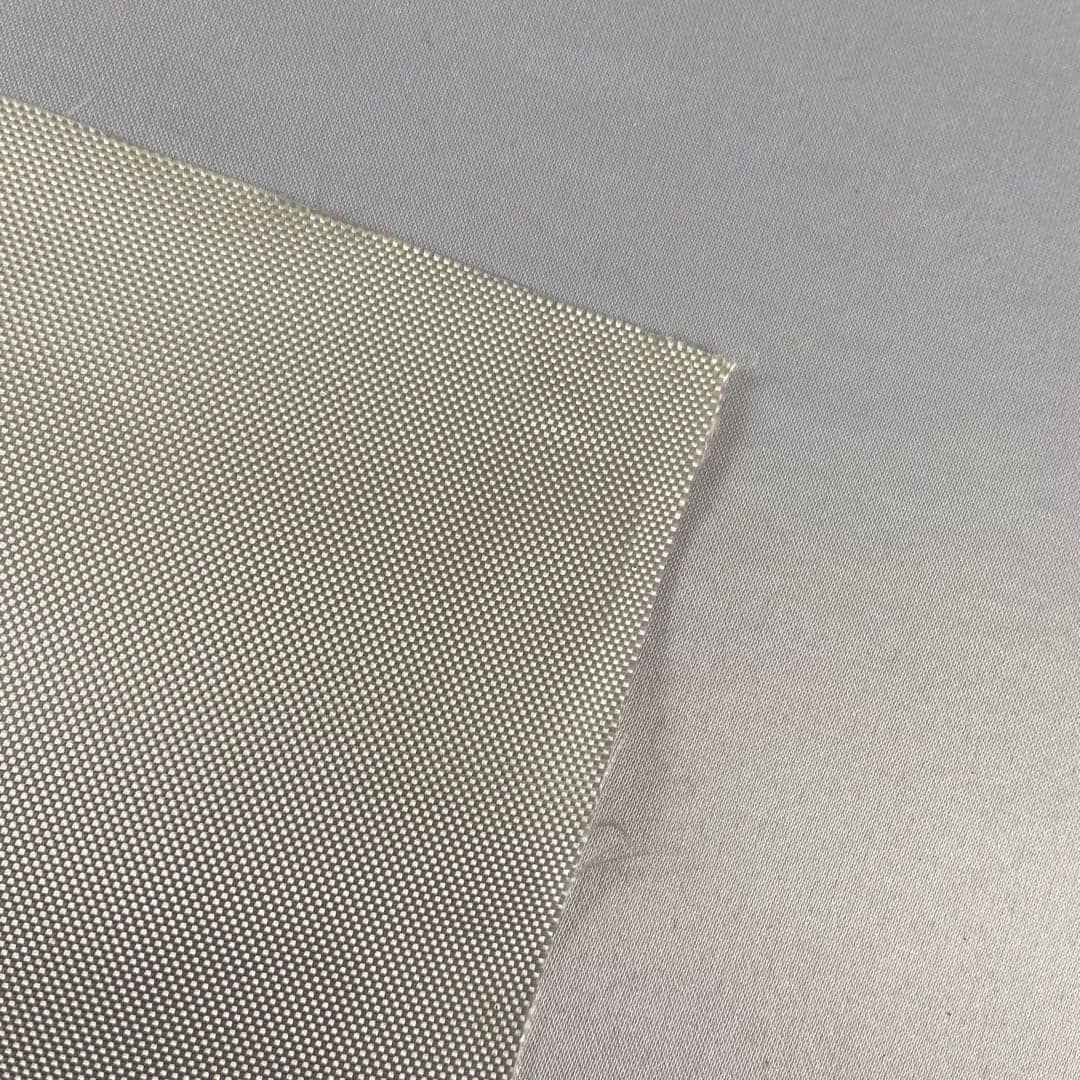
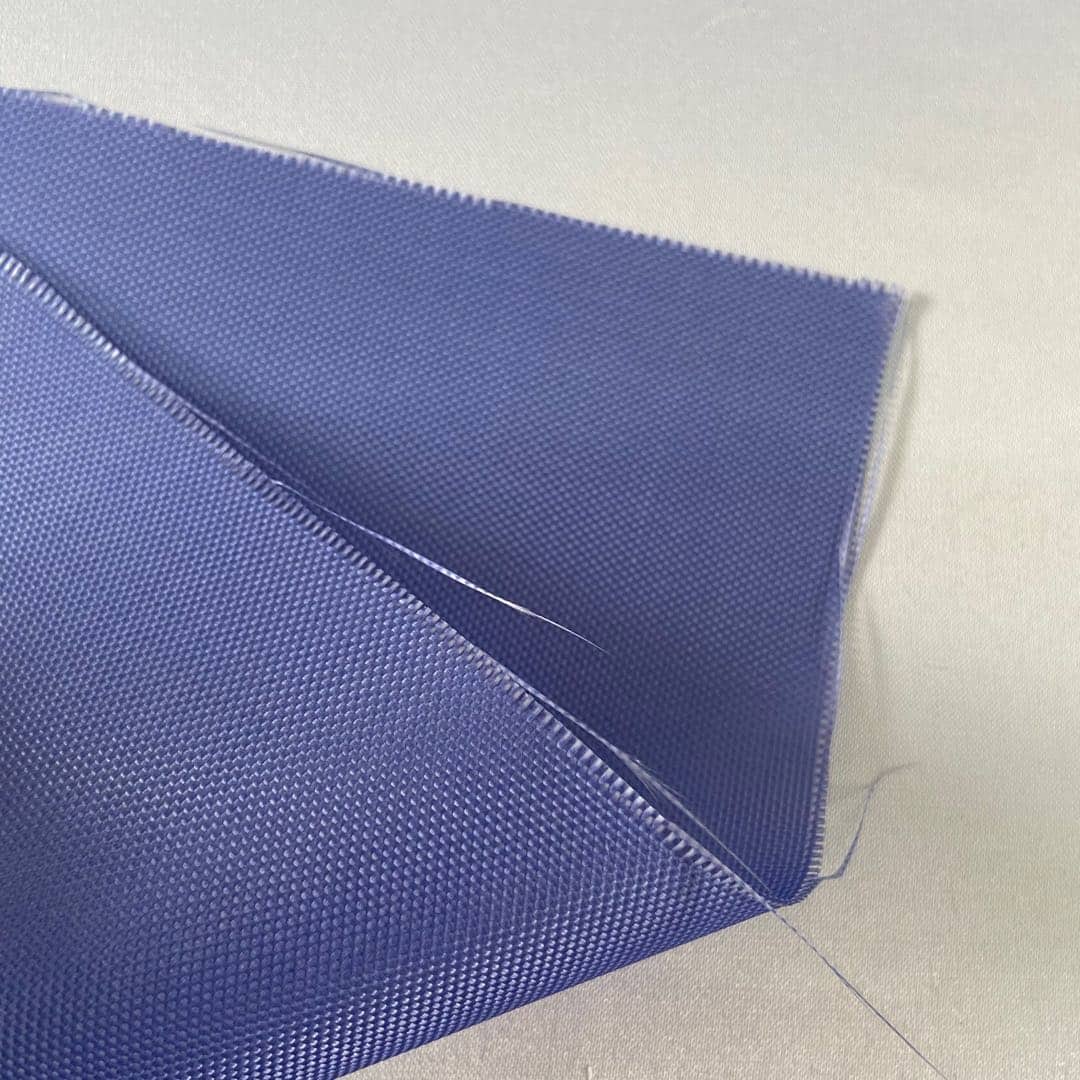
210g+ colored fiberglass cloth with customizable colors and weights. Designed for interior decoration and soft-cover applications.
Available on request
Not a stocked catalog item. We supply it on request: send your specification and target quantity, and we will confirm availability, MOQ, and lead time.
Key Features
- Custom color options
- Decoration grade
- Soft texture
- 210g+ weight range
Specifications
| Parameter | Value |
|---|---|
| Weight | 210g+ |
| Color | Custom (Blue, Red, etc.) |
| Composition | E-glass, Alkali-free |
| Application | Interior Decoration |
Overview
Colored fiberglass cloth is a 210g+ E-glass, alkali-free fabric available in custom colors such as blue and red, with a soft texture suited to interior decoration and soft-cover applications. The integral coloring lets designers add decorative fiberglass surfaces to walls, panels, and soft furnishings while retaining the durability and fire resistance of glass fabric.
The soft hand of the fabric distinguishes it from structural cloths, making it pleasant to handle and suitable for applications where the textile drapes or covers rather than reinforces. Custom weights and colors allow it to be specified to match interior design requirements for both residential and commercial spaces.
Used in interior decoration, soft-cover panels, and wall systems, the colored cloth combines the practical benefits of fiberglass, such as dimensional stability and fire resistance, with a decorative finish. It can be coated or laminated depending on the final application.
Applications
Frequently Asked Questions
What is colored fiberglass cloth used for?
It is used in interior decoration, soft-cover panels, and wall systems where a decorative colored fiberglass surface is wanted alongside the durability and fire resistance of glass fabric.
What colors and weights are available?
The cloth starts at 210g and is available in custom colors such as blue and red, with weights and shades that can be specified to match interior design requirements.
How does colored cloth differ from structural fiberglass cloth?
It has a softer texture intended for decoration and soft-cover use, rather than the stiffer construction of structural reinforcement fabrics, while keeping fiberglass benefits like fire resistance.